Telangana Leader Demands Instant Reversal of Rythu Power-Discom Proposal
Former minister T. Harish Rao demands immediate withdrawal of Rythu Power-Discom, questioning its claim to 24-hour free electricity for farmers. He warns it may lead to disrupted supplies similar to Gujarat and Karnataka's practices.
Highlights
- •BRS leader T. Harish Rao demands instant withdrawal of Rythu Power-Discom
- •Questioning the claim of 24-hour free electricity for farmers by the discom
- •Warning about potential disruption akin to Gujarat and Karnataka practices
- •Alleging reliance on solar power alone cannot ensure 24-hour supply
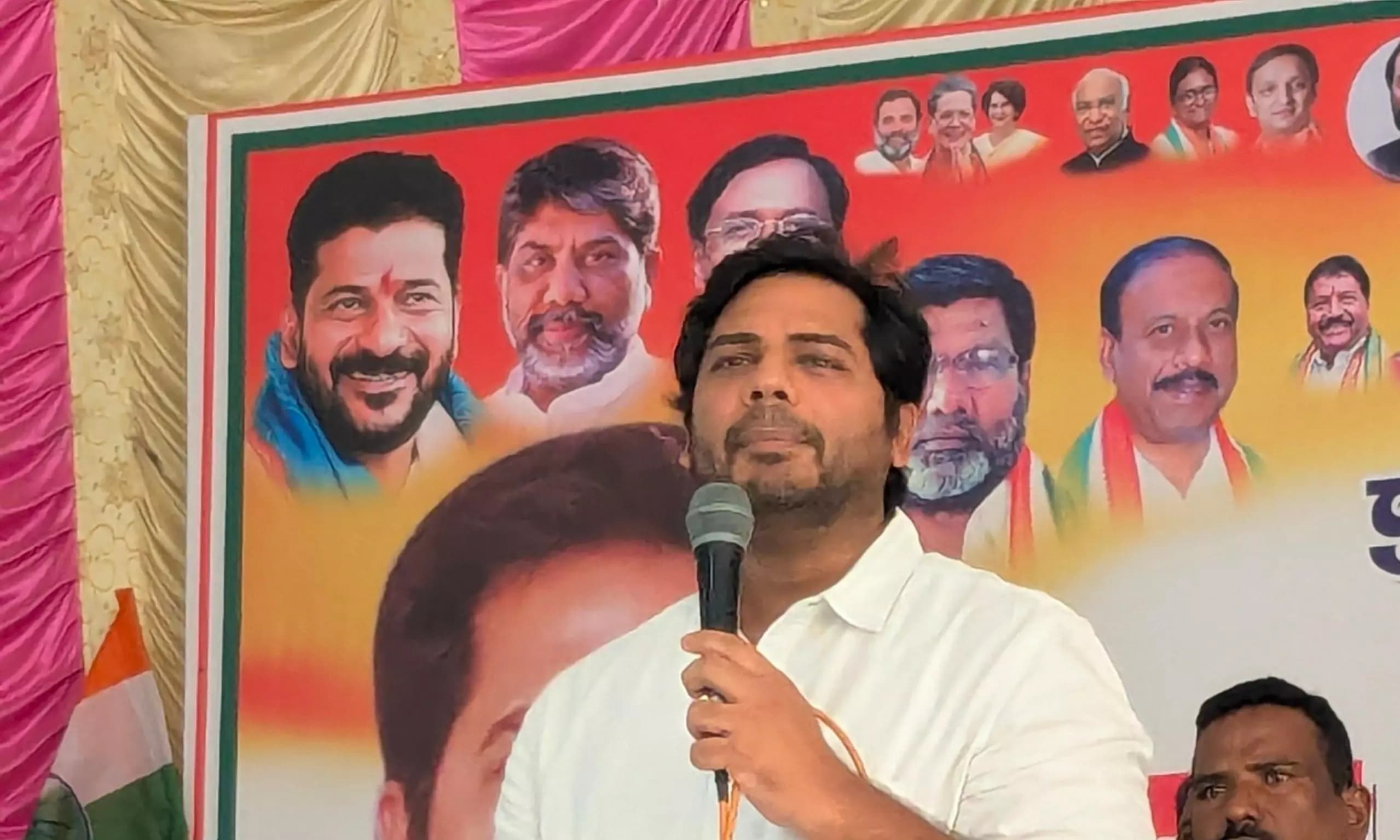
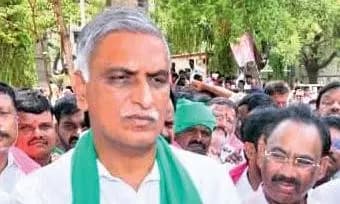
HYDERABAD: Former minister T. Harish Rao, a prominent member of the Bharatiya Rajya Sangam (BRS) party, has emphatically demanded that the Telangana government immediately repeal its controversial Rythu Power-Discom proposal. Harish Rao's statements were made during a press conference in Siddipet, where he warned against any move that could disrupt the 24-hour power supply crucial for farmers' livelihoods.
Challenge to Free Electricity Claims
Rao strongly contested Chief Minister A. Revanth Reddy's assertion that Rythu Power-Discom would guarantee constant, free electricity for farmers. Rao alleged that the decision could prove detrimental rather than beneficial, questioning how solely relying on daytime solar power, which starts at 7 am and ends by 5 pm, can fulfill such a grand claim. He noted that current agricultural hours are limited to no more than 13 hours of power supply.
According to Harish Rao, any reduction in electricity to the farming sector might follow a similar pattern as seen in states like Gujarat and Karnataka, with the Congress government planning to cut power availability to just 8-9 hours. Referring to Government Order No. 8, which
"Solar power is only effective during daytime; how can we expect seamless 24-hour supplies from such a limited resource?" Rao wondered. He accused the administration of being oblivious to the importance of combining solar energy with thermal and hydel options for sustained power availability in agriculture.