Telangana Implements Dual-Language Strategy for SIR Electoral Roll Enumeration Forms
Telangana officials are utilizing a split-language approach for the Special Intensive Revision of electoral rolls. Due to administrative constraints, English forms will be provided in Hyderabad, while Telugu forms will be used in the rest of the state to ensure voter accessibility.
Highlights
- •Telangana officials implement a split-language strategy for Special Intensive Revision (SIR) of electoral rolls.
- •English enumeration forms will be used in Hyderabad, while Telugu forms will be distributed across the rest of the state.
- •The decision follows the Election Commission's rejection of a proposal to issue bilingual forms statewide.
- •Political representatives supported the plan, acknowledging the high English proficiency and administrative needs in the capital.
In a notable administrative shift, officials overseeing the Special Intensive Revision (SIR) of electoral rolls in Telangana have implemented a split-language strategy for enumeration forms. Following a rejection of their proposal to provide bilingual forms statewide, the authorities have opted to distribute English forms in Hyderabad and its surrounding regions, while utilizing Telugu-language forms for the remainder of the state.
Language Dilemma and Administrative Decision
The decision regarding the SIR enumeration process emerged after the state government failed to secure approval from the election commission for dual-language printing across all districts. Local officials indicated that the choice was necessitated by the cosmopolitan demographics of the state capital. Given that the majority of administrative documentation and government orders are processed in English, officials deemed it appropriate to prioritize English forms in Hyderabad, which encompasses 15 Assembly constituencies and over 4.7 million voters.
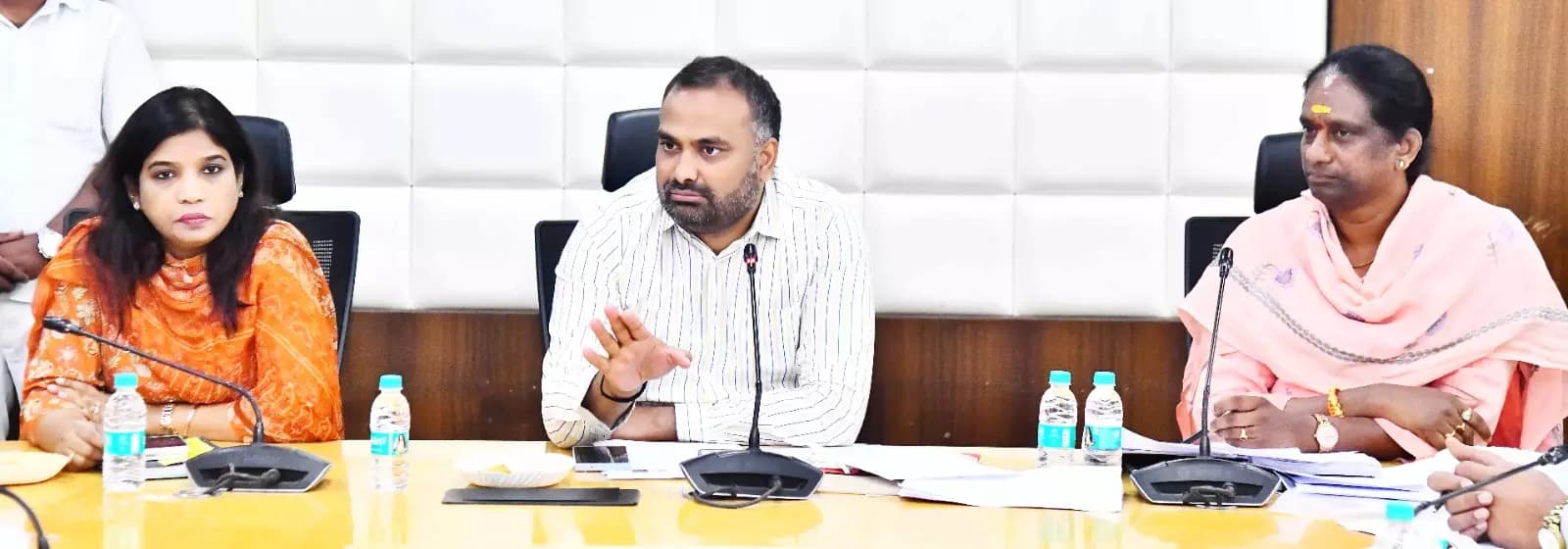
During a consultation chaired by the District Election Officer and GHMC Commissioner R.V. Karnan, representatives from recognized political parties expressed unanimous support for this pragmatic approach. This move follows a formal request submitted on June 12 by AIMIM president Asaduddin Owaisi to Chief Electoral Officer K. Sudharshan Reddy. The representation highlighted that despite Telugu being the primary language of Telangana, the prevalence of English proficiency among the electorate makes it a preferred medium for documentation, particularly in urban environments.
Public Response and Future Implications
While the strategy has been implemented to streamline the SIR process, it has sparked a wider conversation about administrative inclusivity. Residents in other districts have questioned the disparity in form availability. M.A. Mujeeb Ayub, a resident of Karimnagar and founder of the access to justice organization Adala, raised concerns over the singular language focus in non-metropolitan areas. He argued that the current model, while functional, leaves voters in smaller towns and district headquarters without the flexibility afforded to Hyderabad residents.
Mujeeb suggested that the government should adopt a more flexible approach, providing English forms alongside Telugu options in semi-urban areas and major towns across the state. The debate underscores the challenges of balancing regional linguistic priorities with the practical demands of bureaucratic efficiency. As the state moves forward with its intensive electoral roll revision, the effectiveness of this geographic-based language distribution will be closely monitored by both electoral authorities and the citizens of Telangana.