Priyank Kharge Slams Proposed Telegram Ban as Incompetent Response to Exam Woes
Karnataka Home Minister Priyank Kharge has strongly criticized the proposed Telegram ban, labeling it an incompetent reaction that harms students. He argued that authorities should focus on fixing systemic failures and mismanagement within the NTA rather than restricting popular digital communication tools.
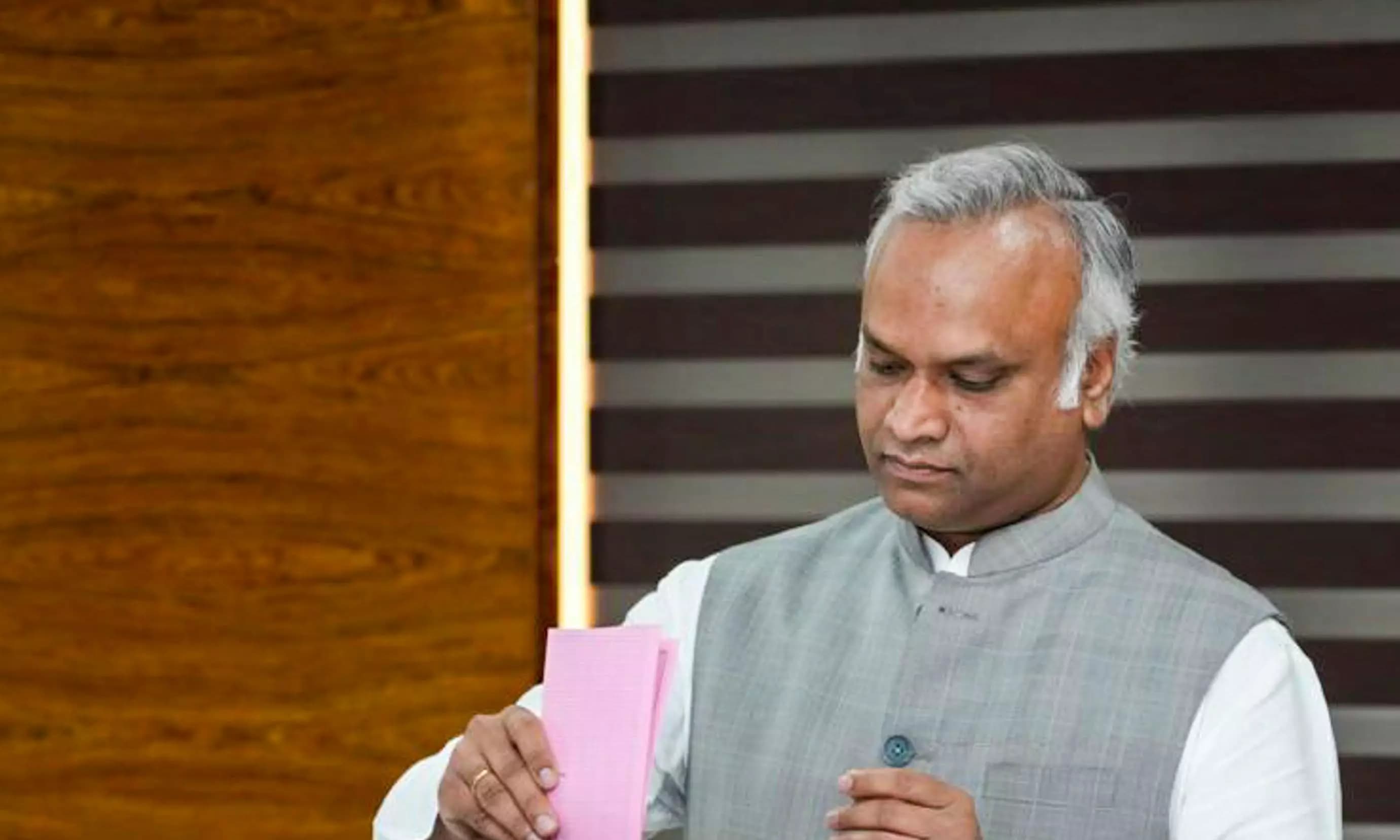
Highlights
- •Karnataka Home Minister Priyank Kharge criticized the proposed Telegram ban as a knee-jerk reaction.
- •Kharge argued that banning the platform would unfairly harm students who depend on it for studies.
- •The minister cited NTA's repeated issues with paper leaks and exam mismanagement as the real problem.
- •He urged the government to hold testing agencies accountable instead of shifting blame to communication platforms.
The proposal to restrict the messaging platform Telegram has ignited a fierce political debate, with Karnataka Home Minister Priyank Kharge at the forefront of the opposition. The minister recently characterized the potential Telegram ban as an ineffective and reactionary measure that unfairly penalizes the student community.
In a public statement shared via his social media handle, Priyank Kharge argued that such heavy-handed tactics represent a superficial attempt to manage complex systemic failures. He stressed that by targeting the platform itself, the authorities are choosing a path of least resistance rather than addressing the core issues plaguing the administration of national examinations.
Addressing Student Concerns Over the Telegram Ban
The concerns raised by the Karnataka minister highlight a significant reliance on digital tools for academic pursuits. Millions of learners across the country utilize Telegram not just for communication, but as a vital resource for accessing study materials, keeping up with educational updates, and engaging in collaborative peer-to-peer learning. A blanket restriction, according to Kharge, would disrupt this widespread educational ecosystem, effectively punishing diligent students for administrative shortcomings.
The central point of contention remains the credibility of the National Testing Agency (NTA). Priyank Kharge explicitly called out the agency and the Union Government, citing repeated instances of paper leaks, scheduling delays, and overall mismanagement of critical examinations. He suggested that the push for a Telegram ban is merely a diversionary tactic aimed at shifting blame away from those responsible for maintaining the integrity of these testing processes.
Holding Authorities Accountable
The debate underscores the growing tension between digital regulation and the necessity of keeping essential communication tools accessible for the youth. By focusing on platforms like Telegram, critics argue the government risks ignoring the structural reforms required within the NTA. Instead of silencing communication channels or attempting to restrict information flow, the focus should arguably shift toward implementing more transparent and robust systems to ensure that future examinations are conducted fairly.
As the conversation surrounding the Telegram ban continues to evolve, the demand for accountability from central agencies remains high. Priyank Kharge’s critique serves as a stark reminder that digital platform restrictions are rarely a substitute for rigorous institutional reform. Ensuring that students have reliable access to study resources while maintaining high standards of exam security remains the primary challenge facing policymakers today.