Principals Call for Parental Vigilance to Curb Ragging in Medical Colleges
In response to ragging concerns at medical colleges in Telangana, principals are urging parents to maintain regular contact with faculty and visit campuses. These measures, alongside enhanced hostel security and mentorship programs, aim to foster a safer environment and improve student discipline across professional institutions.
Highlights
- •Principals in Telangana are calling for increased parental involvement in medical colleges to prevent ragging.
- •Institutions are encouraging parents to conduct regular visits and interact with faculty to monitor student behavior.
- •Mentor-mentee programs are being utilized where professors oversee small groups of students to track progress.
- •Junior doctors are advocating for stricter hostel security to limit unauthorized access by senior students.
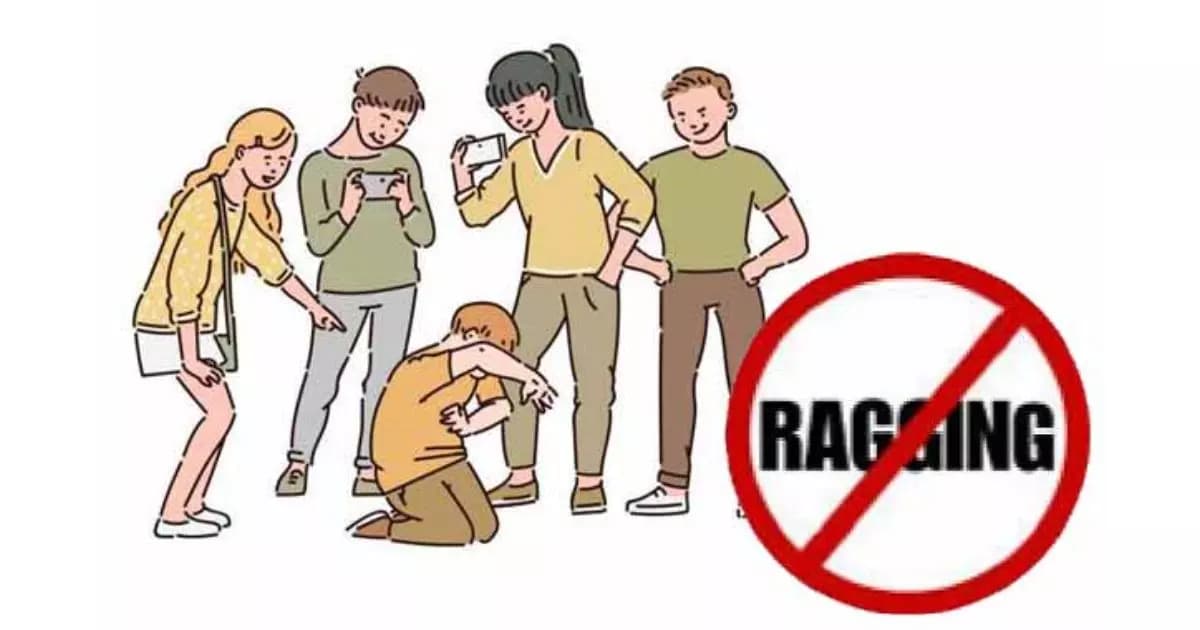
Following a series of concerning ragging incidents reported in medical institutions across Telangana, academic leaders and college principals have issued a strong call for increased parental vigilance. They are urging families to take a more active role in the educational journey of their wards to help curb harassment and maintain campus discipline.
Enhancing Parental Vigilance and Student Safety
Educational administrators emphasize that parents should regularly visit their children’s colleges and hostels. By engaging frequently with faculty members and principals, parents can gain better insights into the academic progress and behavioral patterns of their children. This level of involvement is seen as a proactive measure to detect early signs of trouble, which might otherwise go unnoticed by the institution.
Many principals noted that while minor complaints about seniors pressuring juniors are occasionally reported informally, a stronger, more structured partnership with families is necessary. To address these issues systematically, some institutions have implemented a mentor-mentee program. In this system, assistant professors are tasked with overseeing small groups of ten students. These mentors serve as a crucial first point of contact, conducting reviews every three months to monitor student well-being and academic challenges.
Strengthening Hostel Security Measures
In addition to increased parental oversight, junior doctors' associations have put forward specific suggestions to improve the safety of residential facilities. They are strongly advocating for stricter access control in hostels, particularly where separate buildings are allocated for junior students. The proposal suggests that security personnel should be instructed to deny entry to anyone except authorized students, effectively preventing senior students from encroaching on spaces where juniors reside.
The need for this heightened focus on student safety became evident following a recent case at the Government Dental College. Reports indicated that only a handful of parents attended a meeting called by the college administration, suggesting that many families were unaware of the daily campus climate or the potential challenges their children were facing. By fostering a closer connection between home and the institution, administrators believe they can create a safer environment that discourages ragging and supports the overall personal development of medical students throughout their professional training.