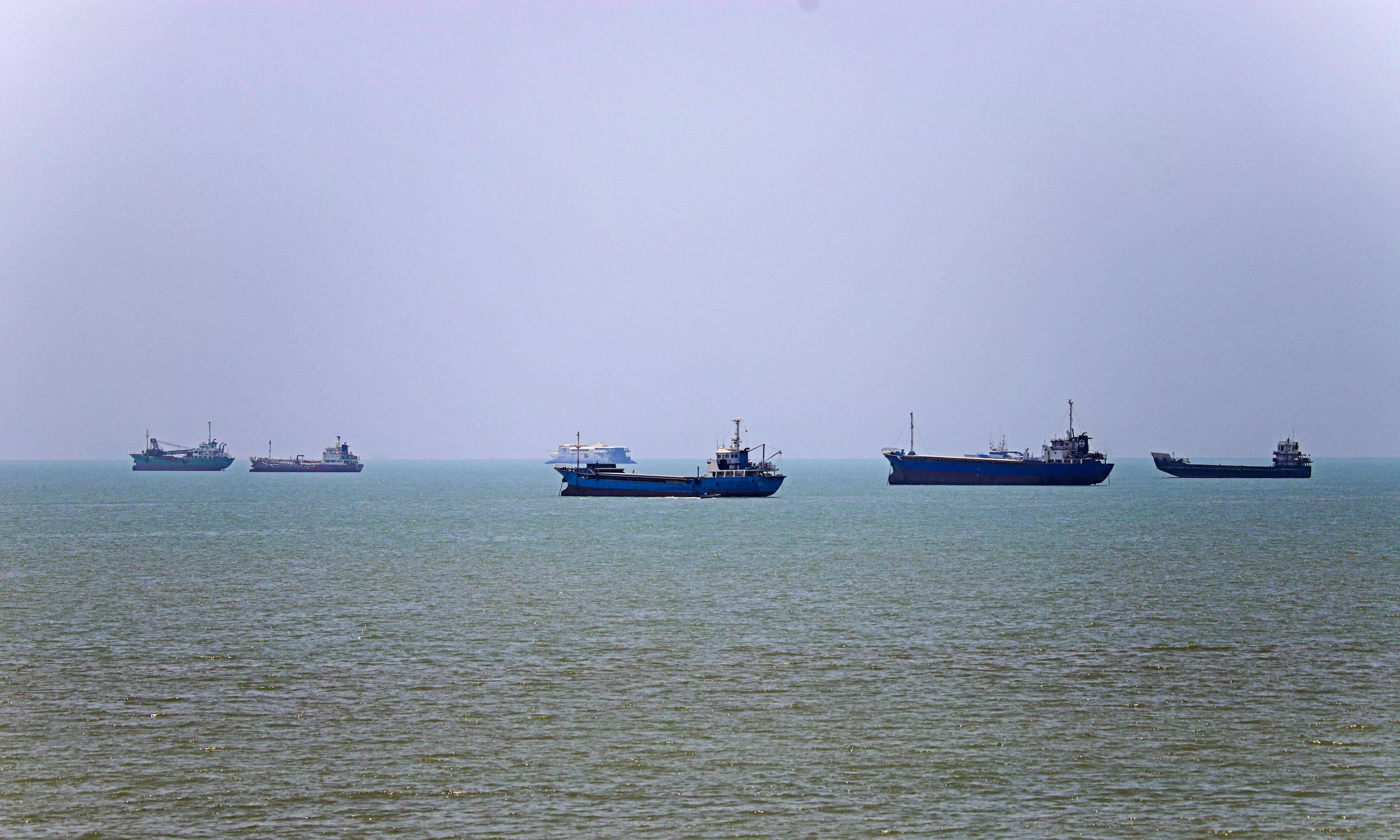
India-Linked Supertankers Resurface in the Gulf of Oman Amid Maritime Tensions
Three India-linked supertankers have reappeared in the Gulf of Oman, emphasizing ongoing maritime transit challenges through the Strait of Hormuz. Despite regional tensions and conflicting reports over the strait's status, merchant vessels continue navigating this critical energy corridor.
Highlights
- •Three India-linked supertankers resurfaced in the Gulf of Oman carrying nearly 6 million barrels of oil.
- •Conflicting narratives persist between Iran and the US regarding the operational status of the Strait of Hormuz.
- •Official maritime guidance suggests vessels can safely transit the southern route with active tracking signals.
- •A confirmed mine alert along the southern route adds to the complex security challenges for merchant traffic.
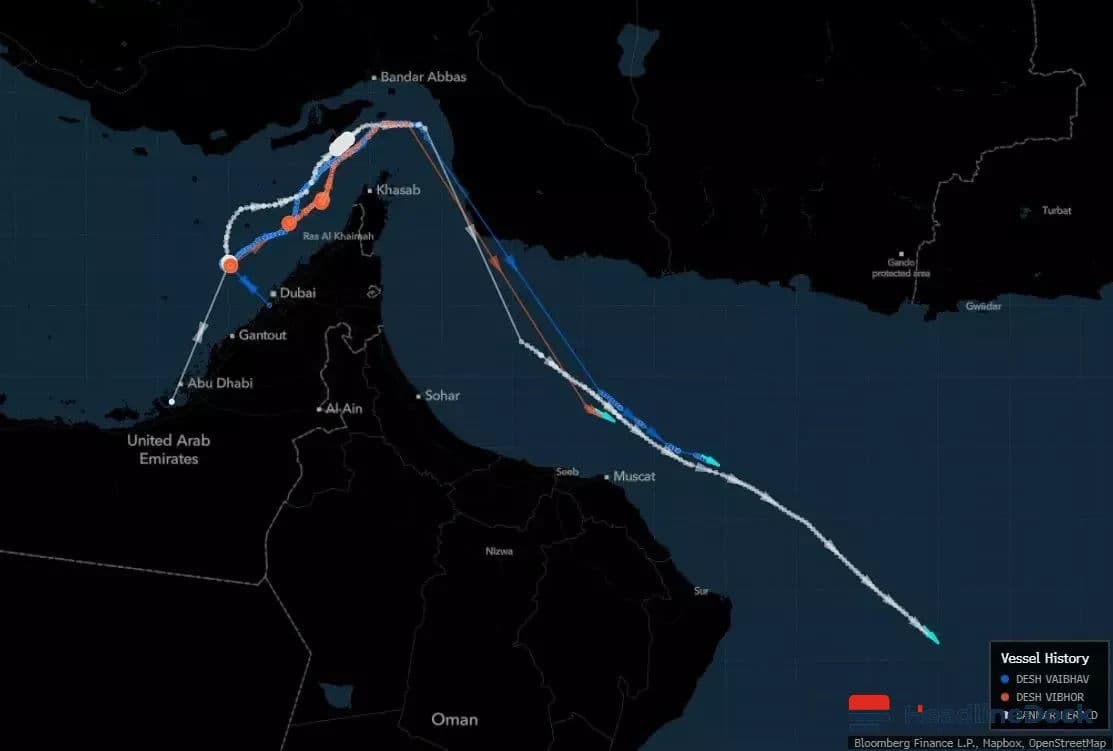
Three India-linked supertankers have resurfaced in the Gulf of Oman, highlighting the persistent complexities surrounding maritime traffic through the vital Strait of Hormuz. The vessels, identified as Desh Vibhor, Desh Vaibhav, and Sanmar Herald, were spotted in the region on Sunday. These ships had previously been noted signaling their intentions to traverse the narrow energy chokepoint late Friday, according to maritime tracking intelligence.
Collectively, these massive crude carriers are transporting approximately 6 million barrels of oil sourced from Iraq and Kuwait. While the specific navigational paths taken by these tankers remain unconfirmed, their movement patterns near Qeshm island imply they may have utilized a route sanctioned by Tehran. Representatives for the Shipping Corporation of India, the owner of the Desh Vibhor and Desh Vaibhav, and Sanmar Shipping Ltd., the operator of the Sanmar Herald, did not immediately provide comments regarding these operations.
Maritime Traffic and Regional Tensions
The movement of these India-linked supertankers occurs amidst a landscape of contradictory claims regarding the operational status of the Strait of Hormuz. Iranian authorities declared the strait closed on Saturday, citing ongoing regional instability related to conflicts in southern Lebanon. Conversely, the United States Central Command refuted these claims, reporting an increase in maritime activity with 55 merchant vessels successfully transporting nearly 17 million barrels of oil through the transit route.
The situation remains fluid as tankers continue to navigate these waters under varying conditions. Some vessels have been observed approaching the strait on the Omani side before disabling their tracking signals. Meanwhile, other empty tankers were documented traveling into the Persian Gulf. The Joint Military Information Center has advised mariners that they may safely transit the southern route regardless of the time of day, provided they maintain active AIS transponders, radars, and navigation lights.
This guidance stands in stark contrast to previous American advisories that had suggested vessels consider transiting without broadcasting their positions. Additionally, Pakistan, which holds coordination responsibilities for regional navigational warnings, recently issued an alert confirming the detection of a mine along the southern route. As global energy markets monitor these developments closely, the ability of merchant fleets to navigate this critical energy corridor remains a focal point of international maritime security.