Geography's Lasting Impact on India's Future
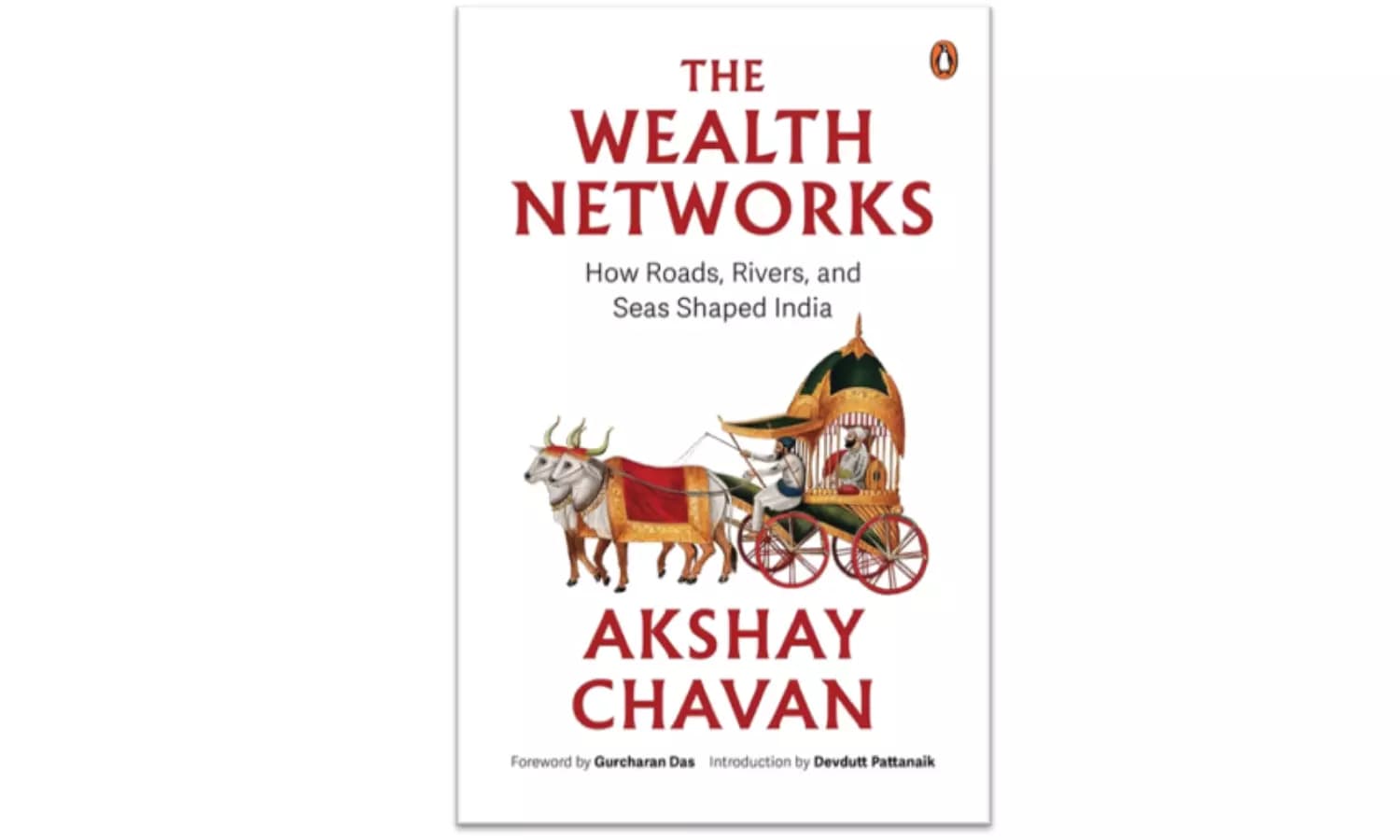
This article discusses how geography remains a crucial factor in shaping India's future economic and political landscape, citing examples from Akshay Chavan's book 'The Wealth Networks', which underscores the ongoing significance of historical trade routes and maritime access.
Highlights
- •Akshay Chavan argues that geography is still instrumental in modern geopolitics
- •Examples like Hormuz Strait reveal the power of geographical chokepoints
- •Routes linking India to Central Asia through Afghanistan are important for global trade networks
- •Contemporary infrastructure must respect geographic realities to be successful and sustainable
At a time when AI, satellites, and hyper-connectivity dominate global discussions, author Akshay Chavan argues that geography remains one of the most potent forces in shaping politics, trade, and power. In his book 'The Wealth Networks', Chavan traces historical routes connecting India to economic hubs across continents.
Reinforcing the Argument: Key Examples
The Strait of Hormuz exemplifies how geographical chokepoints can disrupt global economies. Despite advancements in military technology, securing shipping lanes remains a significant challenge. Similarly, India's control over rivers like the Indus continues to shape strategic levers for economic and political influence.
In the ongoing conflict between Russia and Ukraine, access to warm-water ports
India's Critical Routes Today
Akshay Chavan identifies the Arabian Sea, Red Sea, and Persian Gulf as India's most critical wealth networks today. These routes facilitate a significant portion of the country's oil imports and undersea data cables essential for digital connectivity.
Furthermore, the Grand Trunk Road and ancient trade routes like those linking Hyderabad to coastal regions continue to influence modern infrastructure planning. Historically, regions such as Kerala and Gujarat became wealthy due to their strategic connections with global trade networks. Conversely, areas that remained outside these networks often lagged economically.
Chavan argues that the success of contemporary infrastructure relies on respecting geographical realities. For instance, expressways in the Himalayas face frequent damage due to landslides, while high-tech cities flood during monsoons. History shows that sustainable infrastructure works with rather than against the terrain.