Donald Trump Warns Iran of Possible Military Action During G7 Summit
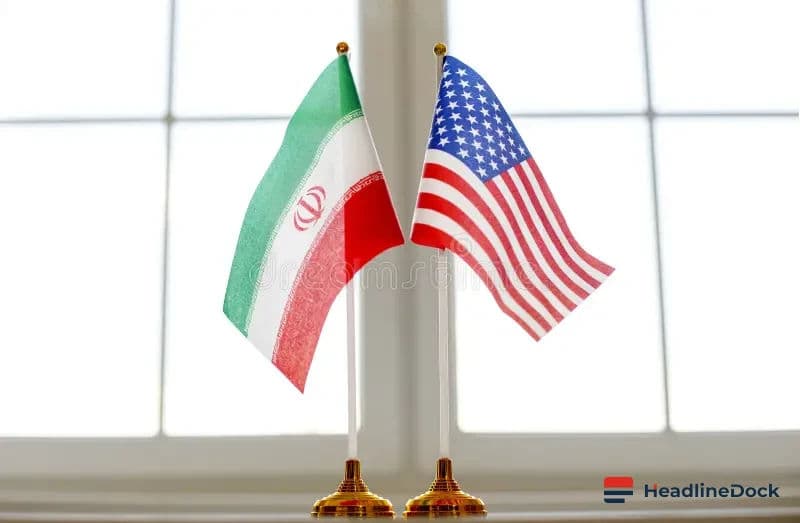
US President Donald Trump has warned Iran of potential military retaliation if the nation fails to abide by its obligations. The statement, delivered at the G7 summit in France, comes just two days before the scheduled signing of a critical peace agreement.
Highlights
- •US President Donald Trump issued a stern warning to Iran during the G7 summit in France.
- •The President stated he is prepared to resume military action if Iran fails to meet its obligations.
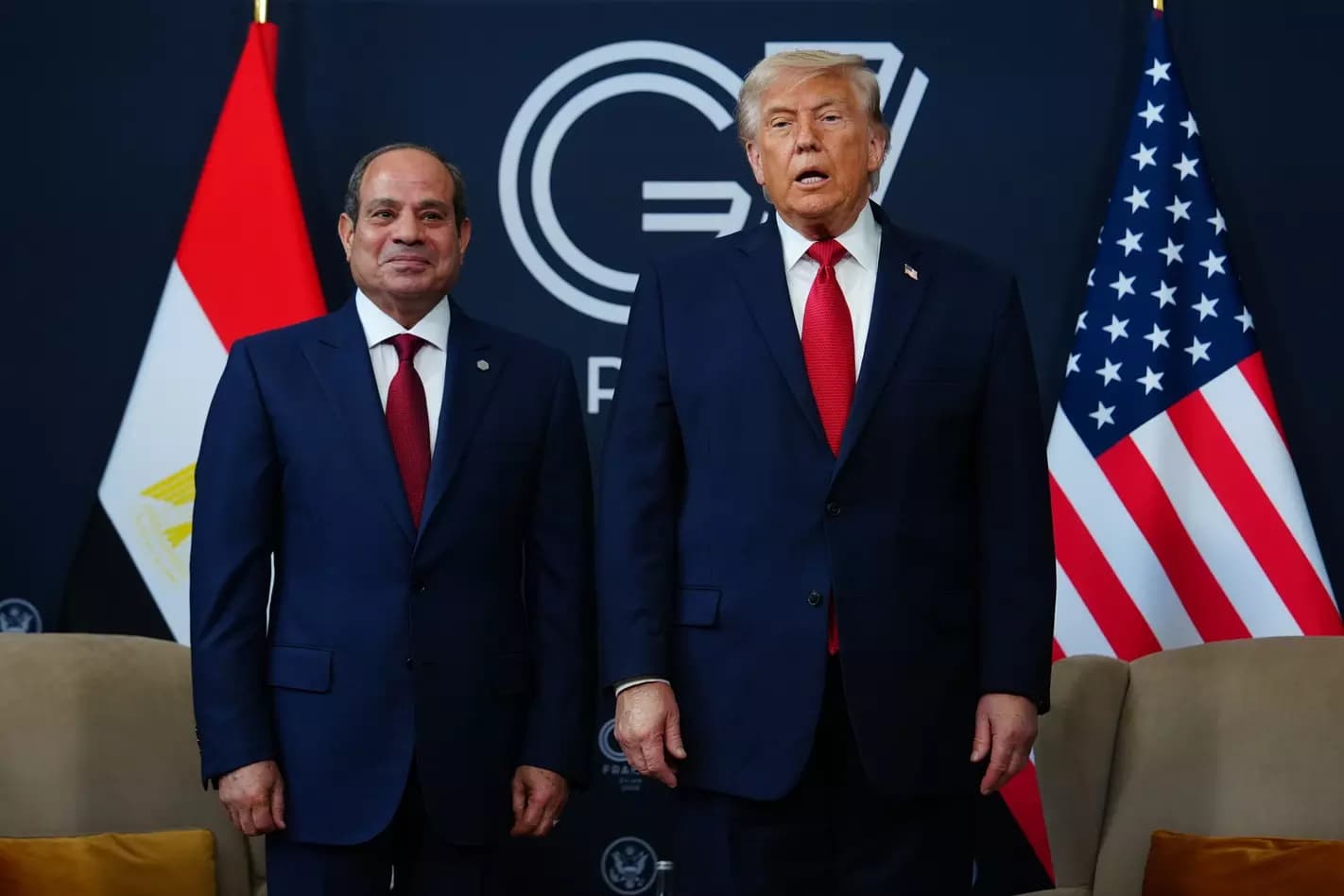
- •The comments were made alongside Egyptian President Abdel Fattah al-Sisi just days before a scheduled peace accord.
- •The warning links the potential for renewed bombing missions directly to Iran's future behavior.
In a pointed diplomatic address, United States President Donald Trump has issued a stark warning regarding Iran, suggesting that the administration is prepared to re-engage in military action if the nation fails to adhere to its international obligations. This stern message was delivered on Wednesday while the President was in Evian, France, attending the G7 summit.
The timing of these remarks is particularly significant, coming just two days prior to the formal signing of an agreement intended to de-escalate the long-standing conflict between the two regional rivals. Standing alongside Egyptian President Abdel Fattah al-Sisi, Donald Trump underscored that the United States remains vigilant regarding Iran's behavior in the region.
Evaluating the Threat of Military Action
The President’s comments regarding the potential for renewed military action have drawn significant attention from global observers. Donald Trump explicitly stated that should the Iranian leadership fail to comply with their stated commitments, the United States stands ready to respond with force. He used emphatic language to emphasize this point, noting that if they do not behave accordingly, the U.S. would not hesitate to resume a more aggressive posture to ensure regional stability.
This development comes as world leaders congregate at the G7 summit to address various pressing international issues, including security and diplomatic relations in West Asia. The assertion that the U.S. might return to dropping bombs if Iran does not maintain its obligations reflects the administration's hardline stance on maintaining pressure on the Iranian government. By linking the possibility of renewed military action to the country's future conduct, the President is signaling that the path to a lasting peace agreement relies entirely on strict adherence to the terms currently under negotiation.
Global Implications and Future Stability
The international community is currently monitoring how this rhetoric will influence the upcoming accord. The signing of the agreement is viewed as a pivotal moment, yet the latest statements from the U.S. President serve as a reminder that the geopolitical landscape remains highly volatile. Analysts are closely watching how Iran will respond to these declarations, as the balance between diplomacy and the threat of kinetic military intervention continues to be a central theme in their ongoing foreign relations.
As the diplomatic process unfolds in France, the world remains expectant of the formalization of the deal. The focus remains on whether these warnings will serve to curb future provocations or if they will create further friction ahead of the critical signing event. The commitment of Donald Trump to ensure that Iran remains compliant with international expectations appears to be a cornerstone of the administration's strategy for the region.