Can Ancient Oromo Philosophy Namummaa Help Ethiopia Build Lasting Peace?
Namummaa, an ancient Oromo philosophy centered on human connection and communal peace, is being highlighted as a potential solution for Ethiopia's internal conflicts. By focusing on reconciliation and restored relationships rather than strictly punitive justice, it offers a transformative approach to modern-day political and ethnic divisions.
Highlights
- •Namummaa is an indigenous Oromo philosophy emphasizing humanness and strong social relationships.
- •The philosophy is supported by the Gadaa system, which promotes dialogue and accountability.
- •Namummaa prioritizes reconciliation and repairing communal bonds over traditional punitive legal measures.
- •Experts suggest the philosophy offers a framework for navigating Ethiopia’s contemporary ethnic and political tensions.
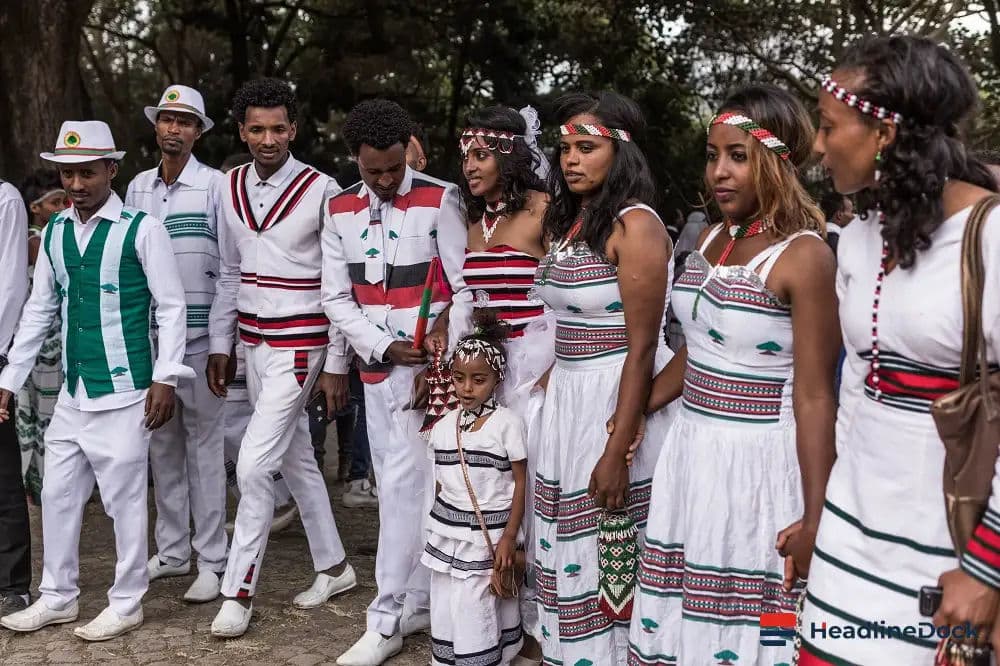
In the face of ongoing internal divisions, Namummaa, an ancient philosophy central to the Oromo people of Ethiopia, is being re-evaluated as a potential framework for peace. Representing approximately 38% of the nation's 105 million citizens, the Oromo hold significant influence in shaping the future of Ethiopia. The term Namummaa, which translates to the essence of being human, emphasizes that individual identity is inextricably linked to relationships with others, nature, and the divine.
Understanding the Principles of Namummaa
At its core, Namummaa functions as a moral compass that defines humanness through one's contributions to the community rather than material wealth. Similar to the southern African concept of ubuntu, this philosophy posits that a person’s worth is measured by their commitment to communal well-being. The traditional Saffu moral code further enforces this, encouraging individuals to maintain respectful distances from harmful actions and to prioritize the collective good over personal gain.
The Gadaa system, which serves as an indigenous framework for governance among the Oromo, is fundamental to these values. It promotes accountability, active participation, and the idea that all human beings possess inherent dignity. However, like any historical social system, it has faced internal contradictions. Traditional practices, such as the Butta military expeditions, have at times clashed with the peaceful tenets of Namummaa, illustrating the complex and evolving nature of these indigenous traditions.
Namummaa as a Tool for Modern Conflict Resolution
The practical application of Namummaa in peacebuilding is rooted in the belief that peace, known as nagaa, is a shared responsibility. When conflicts or serious crimes occur, the focus is not merely on punitive measures, as seen in many modern judicial systems, but on uncovering the truth and restoring broken relationships. Community elders typically mediate these processes, seeking to repair the social fabric so that all involved parties can continue to exist within the same community.
In contemporary Ethiopia, where ethnic and political tensions often challenge national stability, this philosophy offers a unique alternative to traditional state-led negotiations. By encouraging individuals to view others as fellow humans rather than permanent adversaries, the principles of Namummaa provide a framework for empathy and reconciliation. While it remains a cultural tradition rooted in Oromo history, its emphasis on truth-telling, mutual accountability, and shared humanity holds broader potential for addressing polarization not just within the country, but in global societies struggling with declining social trust.