Pawan Kalyan Rejects Caste Identity, Emphasizing a Unified Indian Vision for Growth
Deputy Chief Minister Pawan Kalyan urged for a unified Indian identity during a Kakinada public meeting. He directed police to handle crimes impartially, detached from caste associations, while officials addressed various civic grievances regarding infrastructure and local administration.
Highlights
- •Pawan Kalyan calls for a unified Indian identity, distancing himself from caste-based labels.
- •Deputy CM directs police to pursue criminals strictly without linking crimes to specific castes.
- •Officials addressed public grievances ranging from financial fraud to municipal funding and infrastructure.
- •District Collector confirms ₹105 crore funding allocation for Kakinada Smart City development projects.
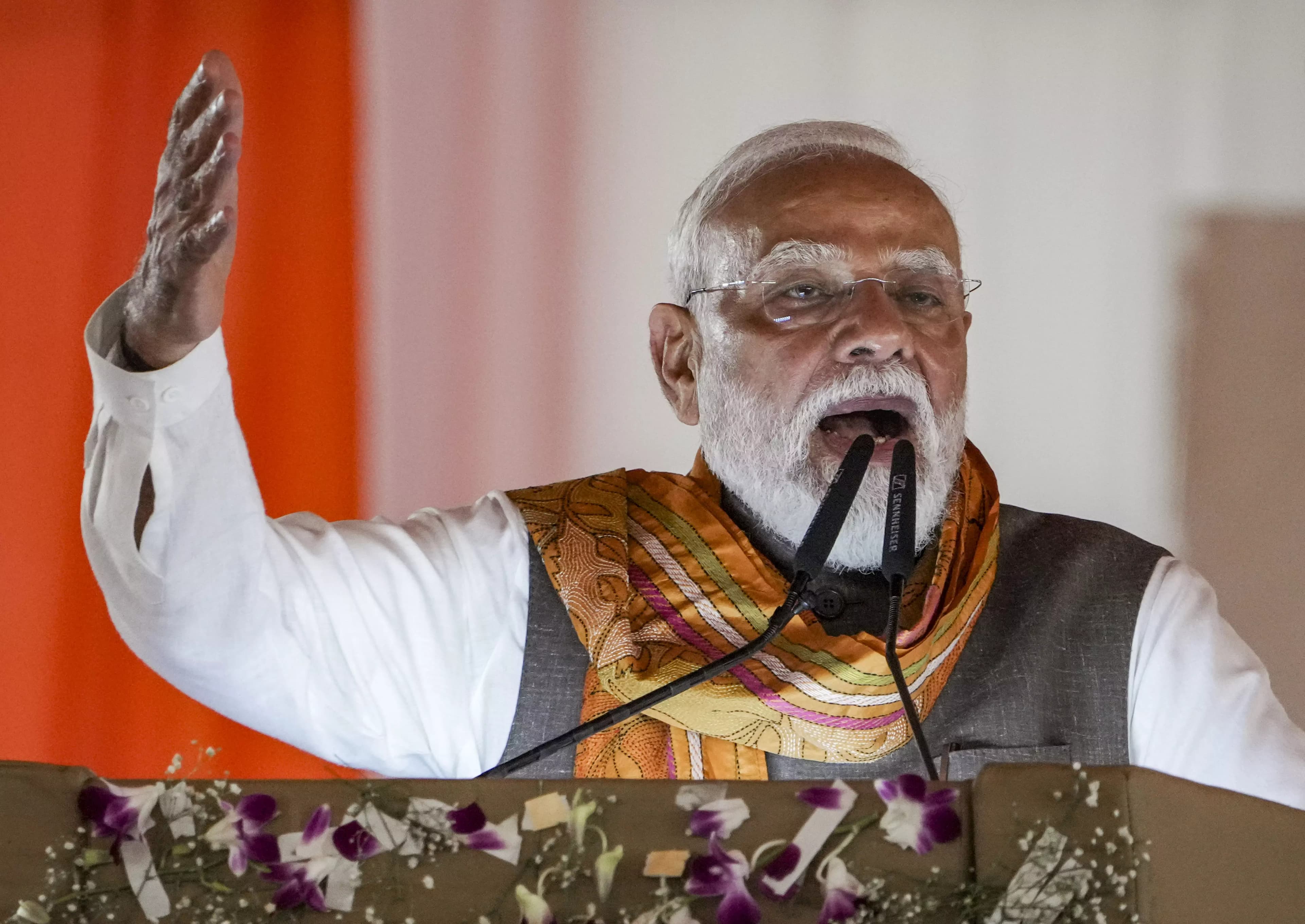
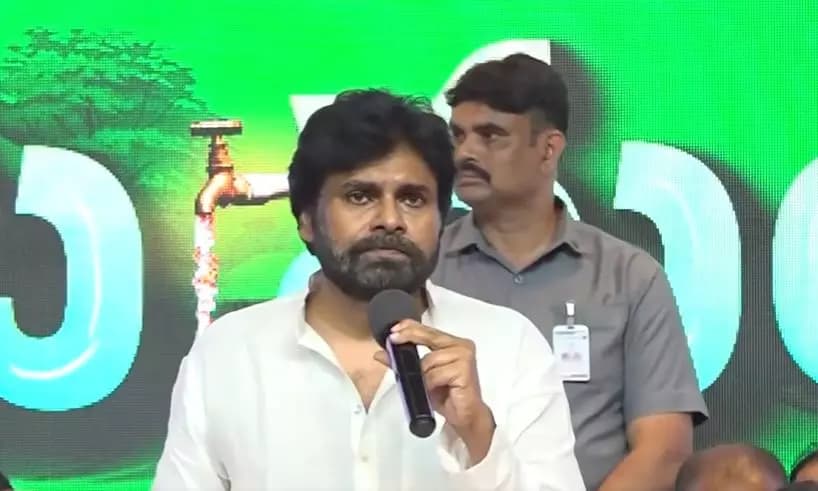
During a public outreach event in Kakinada, Deputy Chief Minister Pawan Kalyan took a firm stance on governance, emphasizing the need for an inclusive national identity. He explicitly requested that his public image not be linked to any specific caste, advocating instead for a unified Indian identity. This Pawan Kalyan governance vision focuses on systemic reforms and fostering a better future for the youth.
Addressing the gathering, the Deputy Chief Minister issued strict directives to the police force regarding law and order. He emphasized that criminal activities must be dealt with decisively, regardless of the perpetrator's background. Pawan Kalyan insisted that crimes should never be associated with specific castes or their leaders, urging authorities to maintain impartial enforcement of the law.
Addressing Civic Grievances and Systemic Reform
The interactive session provided a platform for citizens to raise various local concerns directly with officials. One resident, identified as Bhavani, reported being defrauded by a construction company after paying ₹2 lakh for a house that was never delivered. The Deputy CM immediately directed the Superintendent of Police, G. Bindu Madhav, to resolve the matter, resulting in swift action from the police department.
Other residents highlighted broader municipal issues. Vinod noted that the Kakinada Municipal Corporation had sanctioned numerous projects during the previous YSRC regime without securing sufficient funding, leading to current deficits for essential services like pest control. In response, Kakinada District Collector M.N. Haredhira Prasad clarified that the state has sanctioned ₹105 crore for the Kakinada Smart City initiative to address these infrastructure needs.
The session also addressed concerns regarding urban aesthetics and public safety. A local resident named Goush brought attention to vagabonds occupying bus shelters, hindering public access. The One Town Police promptly responded by clearing these encroachments. Additionally, a resident named Reddy Sindhuja sought assistance regarding a vehicle that had been taken on hire but never returned; authorities successfully intervened and returned the car to her family. Through these interactions, the administration aimed to demonstrate a reactive and efficient approach to public service delivery while signaling a departure from caste-based political discourse.