Winding Down: Mamata Banerjee's TMC Struggles
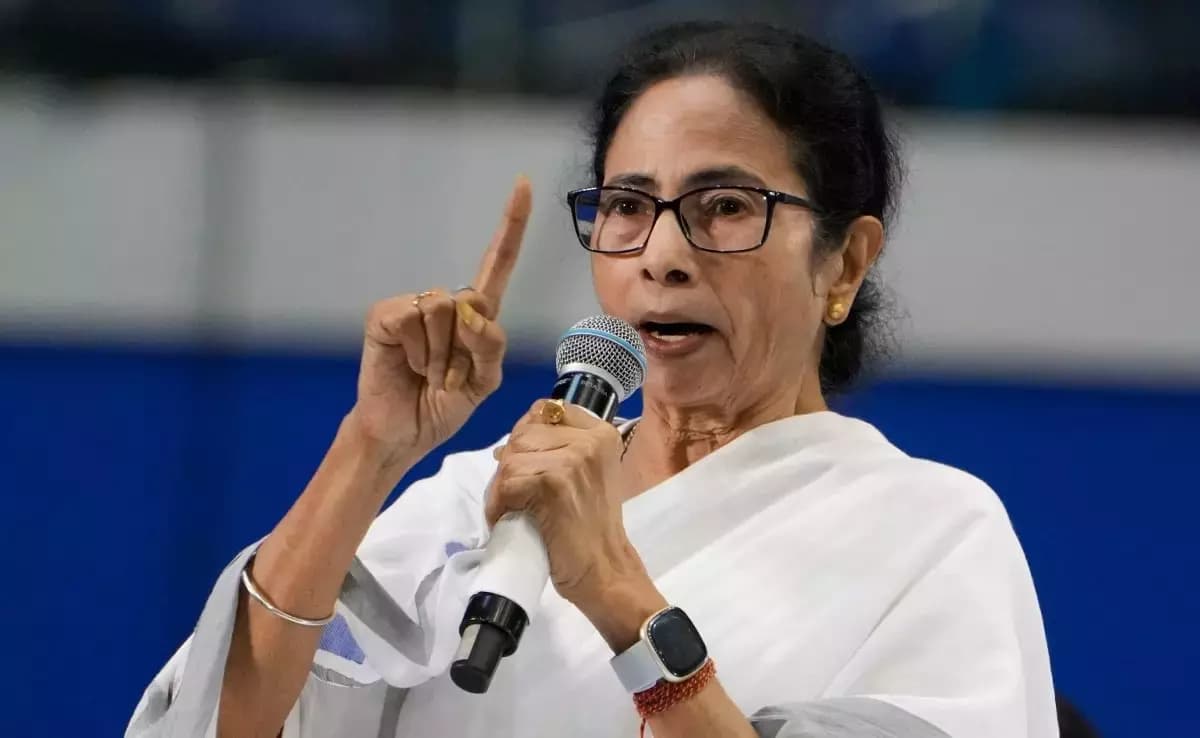
Mamata Banerjee's Trinamool Congress (TMC) has suffered a significant decline after losing 105 seats in the West Bengal Assembly elections. This collapse not only brings an end to decades of TMC dominance but also signals a severe internal crisis, pushing the party's leadership into uncharted waters.
Highlights
- •Mamata Banerjee's Trinamool Congress (TMC) lost 105 seats after state Assembly elections.
- •The party now commands 80 MLA seats compared to its previous tally of 215 in the 2021 poll.
- •An internal revolt led by dissenting MLAs and support for rival leader Ritabrata Banerjee has accelerated a crisis within TMC ranks.
- •Political analysts point out that ideological and developmental shortcomings may have contributed to the collapse.
Exactly one month after the West Bengal Assembly elections, Mamata Banerjee's Trinamool Congress (TMC) has suffered a dramatic decline. The party, once commanding 215 MLA seats in the assembly, now finds itself with just 80 MLAs. This electoral reversal has transformed what was initially seen as a crushing defeat into an existential crisis for the TMC.
From Fortress to Fallout
The political fortress of Bhabanipur proved no match for Suvendu Adhikari, Banerjee's nemesis and archrival. This personal loss adds a layer of humiliation to an already devastating defeat. With 105 seats lost compared to the previous term's tally of 215, the TMC now leads the opposition from unprecedented weakness.
The collapse was further exacerbated when 58 dissident MLAs supported Ritabrata Banerjee as a rival leader. The Speaker's approval effectively signalled that more than two-thirds of the party's legislators had drifted away from Banerjee, reflecting a deeper internal crisis within the TMC.
The political life of Mamata Banerjee, who has dominated Bengal politics for nearly three decades, now confronts unprecedented challenges. She has faced adversity before—declining popularity polls and organizational revolts—but this collapse marks a severe test of her leadership.
Internal Turmoil and Expulsions
In reaction to the crisis, the TMC expelled Ritabrata Banerjee and fellow MLA Sandipan Saha. These expulsions, however, did not quell dissent within the party but instead accelerated it. Analysts suggest that the TMC's foundational pillars—lacking an ideological base or long-term developmental vision—may have contributed to this unravelling.
Political analyst Shubhomoy Maitra noted, "The party's primary goal was to remove the Left Front from power in 2011. Once that was achieved, it had no longer any clear objectives for its MLAs beyond personal interests." This observation underscores the potential vulnerability of the TMC's current position.
To regain control, the TMC dissolved several key organisational committees, a sign of a last-ditch effort to prevent an outright split. Meanwhile, Banerjee accuses the BJP of using 'money, arrests and threats' to foment discord within her ranks.
Despite these efforts, concerns persist about the emergence of an 'Eknath Shinde model,' where the opposition could similarly fragment and create new political entities. In Bengal, it suggests a possible realignment or reorganisation that could reshape future electoral dynamics.