Trump Announces Iran Agreement for Indefinite Nuclear Inspections and Strait of Hormuz Access
President Donald Trump has announced that Iran has fully agreed to indefinite, top-tier nuclear inspections. Consequently, the US will not blockade the Strait of Hormuz, ensuring the critical waterway remains open as bilateral negotiations between Washington and Tehran continue to progress.
Highlights
- •President Donald Trump announced Iran has agreed to indefinite, top-tier nuclear inspections.
- •The administration claims these inspections will ensure nuclear honesty in the region.
- •The US Navy will not blockade the Strait of Hormuz, keeping the waterway open.
- •Bilateral negotiations between the US and Iran are reported to be progressing well.
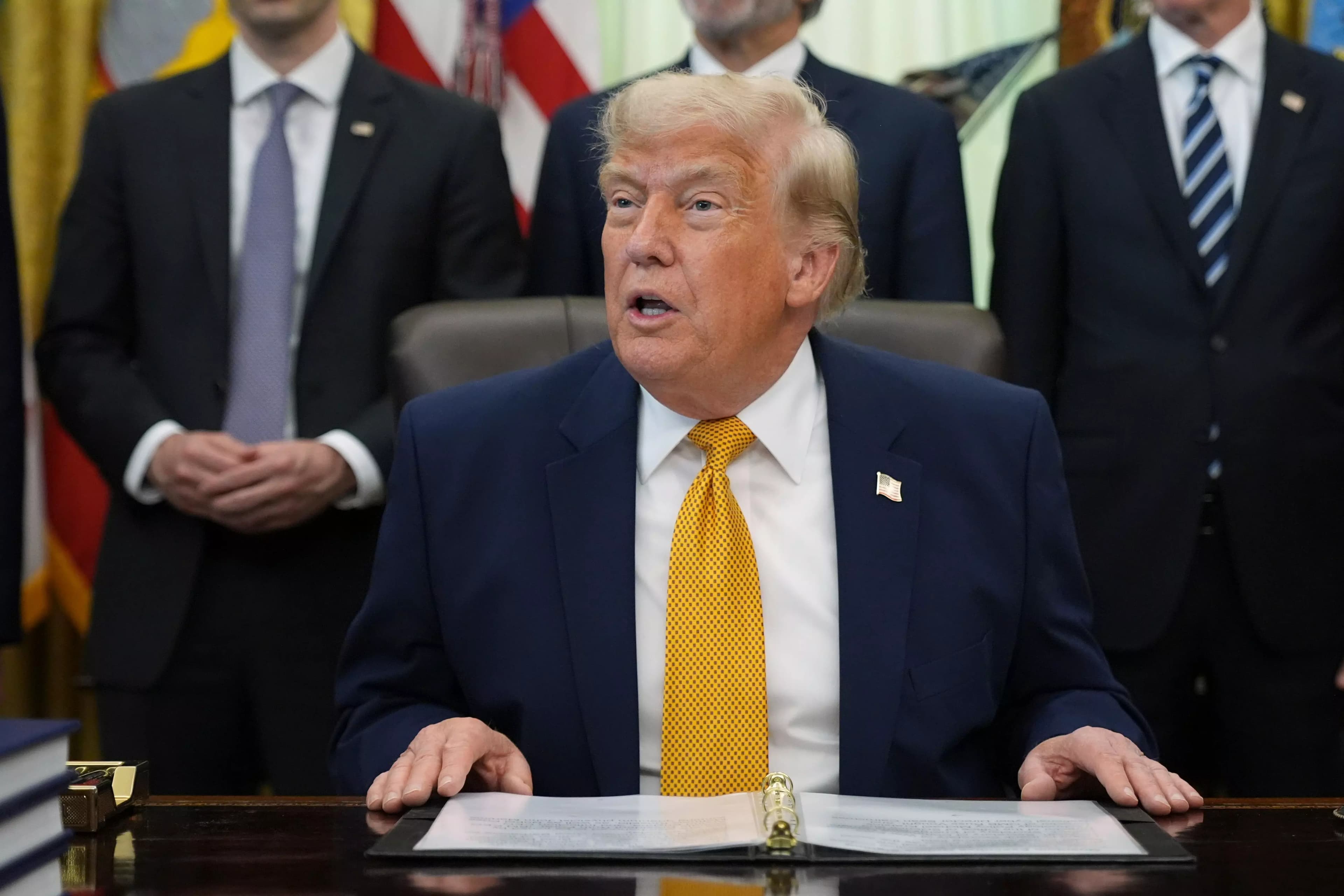
United States President Donald Trump recently announced a significant diplomatic development regarding Iran and its nuclear program. According to the president, the Iranian government has provided a full and complete commitment to permit the highest tier of nuclear inspections within its borders, ensuring long-term oversight of its facilities.
This development is framed by the administration as a breakthrough to ensure what the president described as nuclear honesty. By securing these comprehensive, indefinite inspections, the administration aims to establish a transparent framework that monitors Iranian nuclear activities. Donald Trump noted that bilateral discussions between the two nations are currently progressing in a positive direction.
Strategic Shifts and Nuclear Inspections
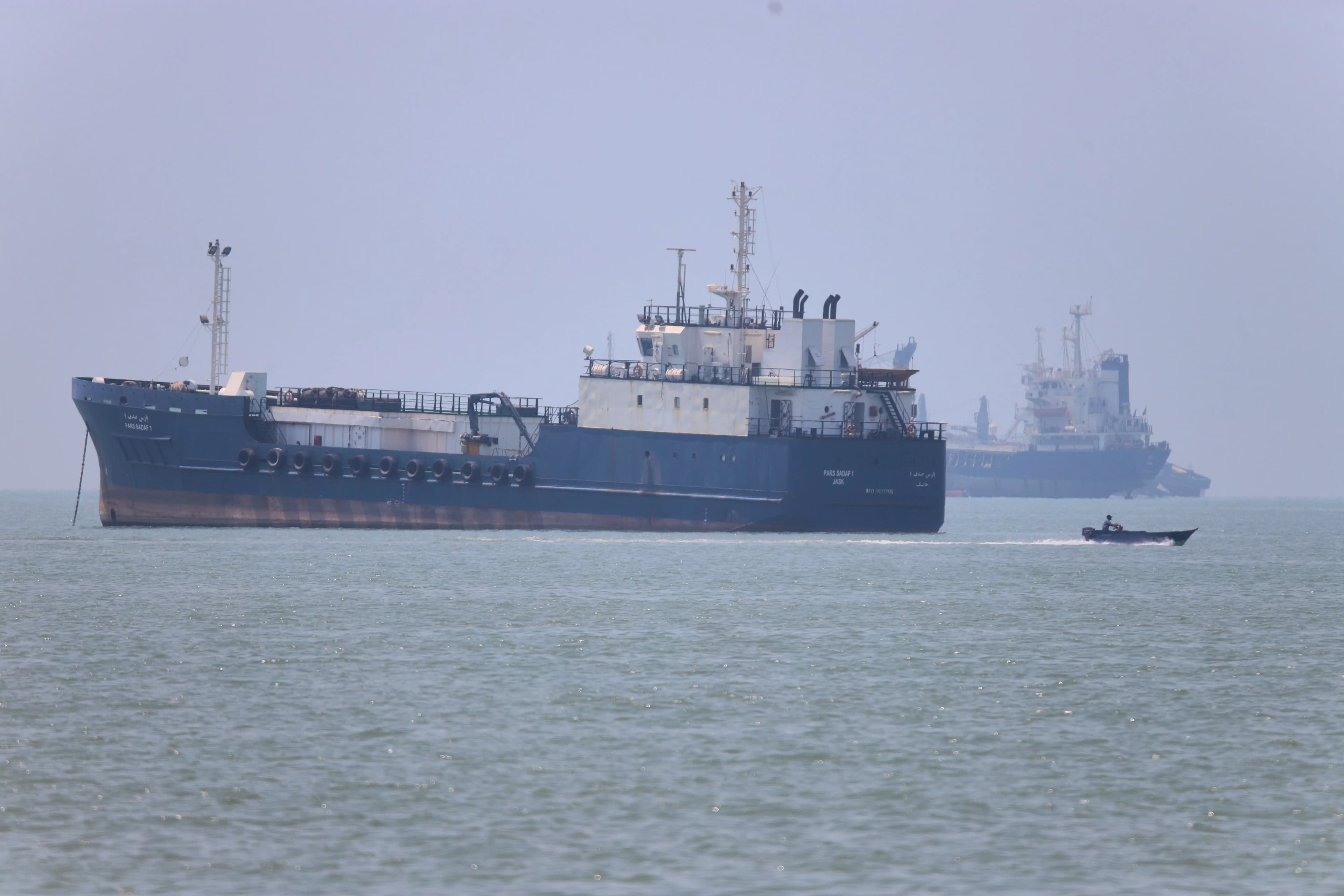
A major component of this announcement involves the Strait of Hormuz, a vital waterway for global energy transportation. Following the reported concessions from Tehran, the president declared that United States Navy forces will cease plans for a blockade of the region. The decision to keep the Strait of Hormuz open is presented as a direct result of the agreements made during these recent high-level negotiations.
The commitment to maintain the freedom of navigation through this critical maritime passage is expected to influence international markets, given the strategic importance of the Strait of Hormuz for global oil and gas supply chains. The administration asserts that by linking this maritime stability to the progress on nuclear inspections, they have achieved a tangible shift in regional security dynamics.
The move represents a noteworthy change in approach, focusing on diplomatic and strategic leverage to address long-standing concerns regarding nuclear proliferation and maritime security. While the technical details of these indefinite inspections are being finalized, the announcement signals a shift toward a new phase of engagement between Washington and Tehran. Stakeholders across the international community will be closely monitoring the implementation of these agreements to determine their lasting impact on regional stability and global non-proliferation efforts.
As negotiations continue, the emphasis remains on ensuring that these promised inspections are executed with the level of rigor necessary to provide global transparency. The administration has positioned this outcome as a pivotal step in de-escalating tensions while establishing firm requirements for ongoing verification of the nation's nuclear program.