Trump Administration Unveils $17.5 Billion Plan for 10 New Nuclear Reactors
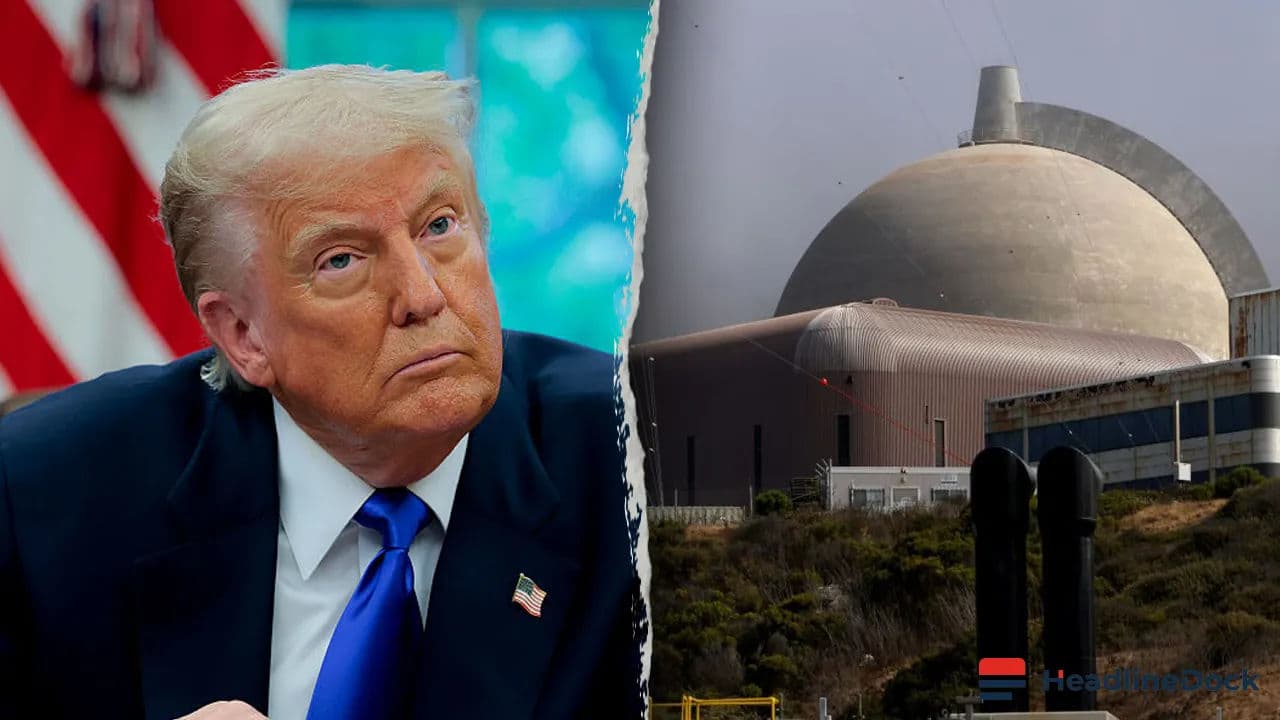
The Trump administration has unveiled a $17.5 billion plan to support the construction of 10 new nuclear reactors. This initiative is designed to provide reliable, high-capacity electricity to support the growing energy needs of U.S. data centers and advanced industrial sectors.
Highlights
- •The U.S. government is investing $17.5 billion to build 10 new large nuclear reactors.
- •The initiative is designed to power the rapidly expanding infrastructure of massive data centers.
- •Each of the five selected project sites will host two AP1000 reactors from Westinghouse.
- •The administration aims to begin construction by 2030, with operation starting in the mid-2030s.
The Trump administration has announced a significant financial commitment of $17.5 billion to accelerate the development of 10 new, large-scale nuclear reactors. This strategic investment is primarily aimed at addressing the surging electricity demands driven by the rapid expansion of massive data centers across the United States. As AI and advanced manufacturing technologies continue to evolve, the need for reliable, high-capacity power has become a national priority.
Strategic Expansion of Nuclear Power
Energy Secretary Chris Wright highlighted the immense interest from both power utility companies and major data center developers. The administration’s ambitious roadmap aims to have these facilities under construction by 2030, with the goal of bringing them online by the mid-2030s. Wright expressed strong confidence in the project's scalability, noting that this initial batch of 10 reactors is expected to stimulate a robust supply chain and foster specialized construction expertise for future energy infrastructure.
The initiative will utilize the Westinghouse AP1000 reactor design. While previous projects using this model, such as Georgia Power Co.’s Plant Vogtle, faced substantial delays and budget overruns, officials contend that those challenges stemmed from planning issues, supply chain disruptions, and the global pandemic. By standardizing the design across multiple locations, the government aims to achieve better cost efficiency and faster construction timelines compared to past endeavors.
Meeting Future Electricity Demands
The Energy Department plans to select five sites, with each location hosting two nuclear reactors. To facilitate this, the department is offering up to $3.5 billion per project in federal debt financing, while expecting participating utilities to contribute a combined total of $5 billion in equity. This public-private partnership is designed to minimize risks to taxpayers while fast-tracking critical energy capacity.
Data centers are projected to account for a massive share of the national power consumption, with some estimates suggesting a potential tripling of their electricity usage by 2028. Consequently, President Donald Trump has set a comprehensive goal to quadruple domestic nuclear power production over the next 25 years. Through executive orders and continued support for new technologies, such as small modular nuclear reactors, the administration seeks to ensure that the United States remains a global leader in artificial intelligence and industrial innovation.
While some critics express concerns regarding the financial costs and risks associated with nuclear energy, proponents argue that fleet-scale deployment is essential to meeting the nation's long-term energy needs. With this latest funding injection, the government hopes to reduce project development times by up to three years, setting a firm foundation for the future of the nation's energy grid.