The History of Doñana National Park: Conservation Efforts Amidst a Dictatorship
The protection of Doñana National Park began in 1964 through the efforts of naturalist José Antonio Valverde. With international support and innovative funding, the project transformed a private hunting estate into a globally recognized sanctuary for wildlife and biodiversity research.
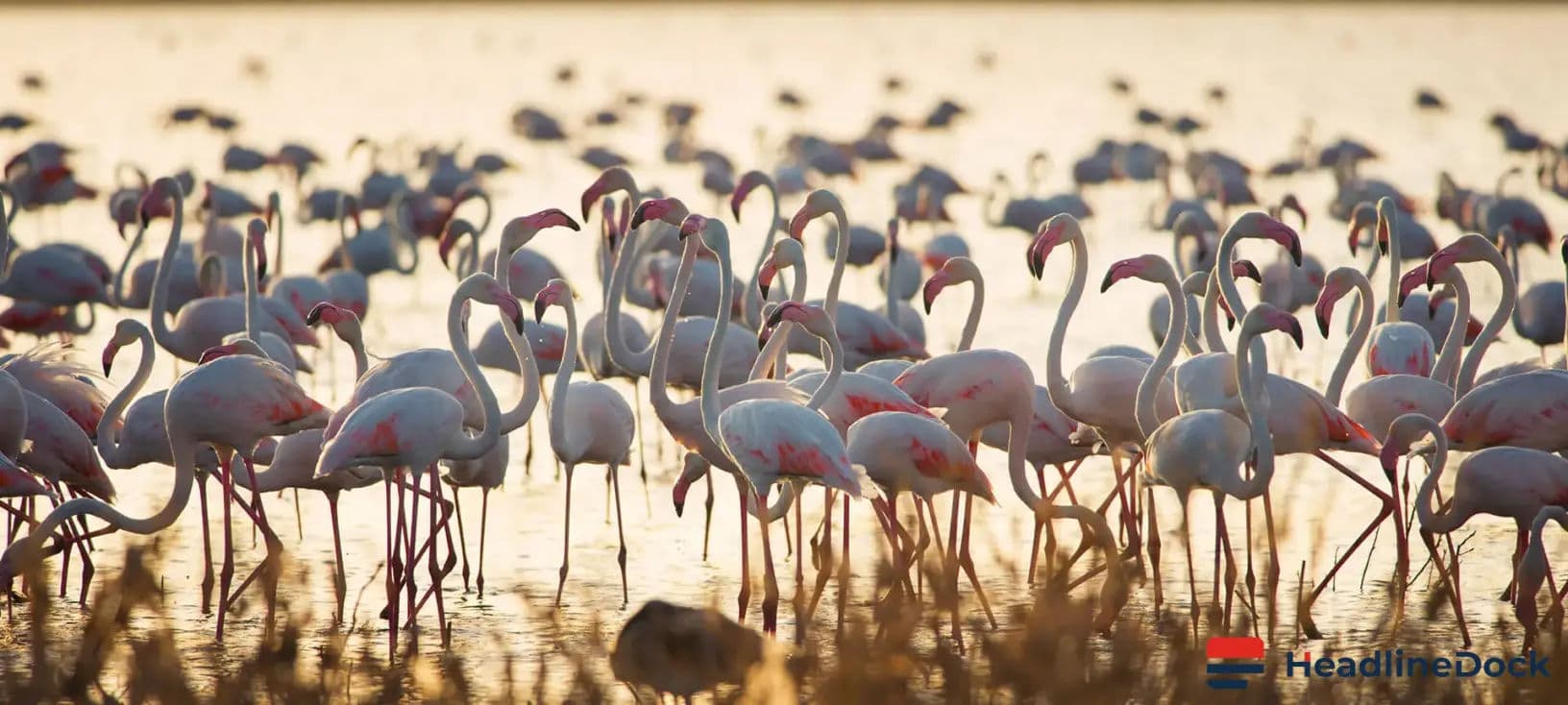
The Doñana National Park stands today as a global beacon of biodiversity and ecological preservation. However, the path to its protection was complex, beginning in the 1960s under a restrictive political climate. The formal effort to safeguard this vital Andalusian landscape as a refuge for wildlife and culture began in 1964, spearheaded by the naturalist José Antonio Valverde.
Establishing the Doñana National Park Protection
José Antonio Valverde successfully secured the necessary funding to acquire a significant portion of the land situated in the center of the estate, which was previously entirely private property. These lands, featuring scrubland, pine forests, cork oaks, various lagoons, and a segment of marshland, were originally owned by a hunting syndicate. The acquisition was facilitated by one of the earliest environmental crowdfunding campaigns in history, organized by the World Wide Fund for Nature (WWF). The WWF provided 25.7 million pesetas, while the CSIC (Spanish National Research Council) contributed an additional 18 million. This purchase secured 6,794 hectares, officially establishing the reserve as a sanctuary dedicated to the conservation and study of biological diversity.
The movement to save Doñana National Park was supported by an international network of prominent figures. Throughout the 1950s, expeditions led by Mauricio González brought esteemed experts to the region, including notable figures such as Field Marshal Alan Brooke, Sir Peter Scott, Roger Peterson, Guy Mountfort, and Julian Huxley. These experts, alongside the philanthropist Luc Hoffmann, provided both the global recognition and financial support necessary for the project. Valverde understood that long-term preservation required a foundation of rigorous scientific evidence, leading to the creation of the Doñana Biological Station.
Navigating Challenges During the Dictatorship
Operating during a dictatorial regime presented significant obstacles. Valverde had to personally petition the leadership to prevent the area from being repurposed for eucalyptus monoculture or industrial rubber production. His efforts successfully diverted the trajectory of the landscape from intensive agricultural colonization—which was already transforming the left bank of the Guadalquivir—toward the protection of approximately 25,000 hectares of the vast marshland estuary by 1969.
In 1972, architect Olegario del Junco designed a specialized laboratory and observation center within the park to bolster scientific research. The facility, now known as Castañuela, became a vital hub for studying migration patterns and species interconnectivity. Despite his role in creating the park, Valverde initially preferred that the Doñana Biological Station maintain an urban presence in Seville, ensuring it remained connected to the broader academic world. Valverde passed away in 2003, leaving behind a profound legacy that included the discovery of new vertebrate species and the establishment of one of the most important biological collections in Spain.