The Enduring Role of Australian Immigration in the National Story
The debate over Australian immigration remains central to the national identity. While figures like Pauline Hanson criticize multiculturalism, evidence suggests public sentiment is heavily influenced by economic factors, and support for a diverse, immigrant-based society remains robust despite recurring political populism.
Highlights
- •Pauline Hanson recently advocated for replacing multiculturalism with monoculturalism during a National Press Club address.
- •Historical data shows that public concern over immigration levels often rises and falls in line with economic conditions.
- •Despite periodic populist rhetoric, the majority of Australians still view multiculturalism as a positive contribution to the nation.
- •Research indicates that Australia's status as a settler society has historically allowed it to accommodate cultural diversity more effectively than many counterparts.
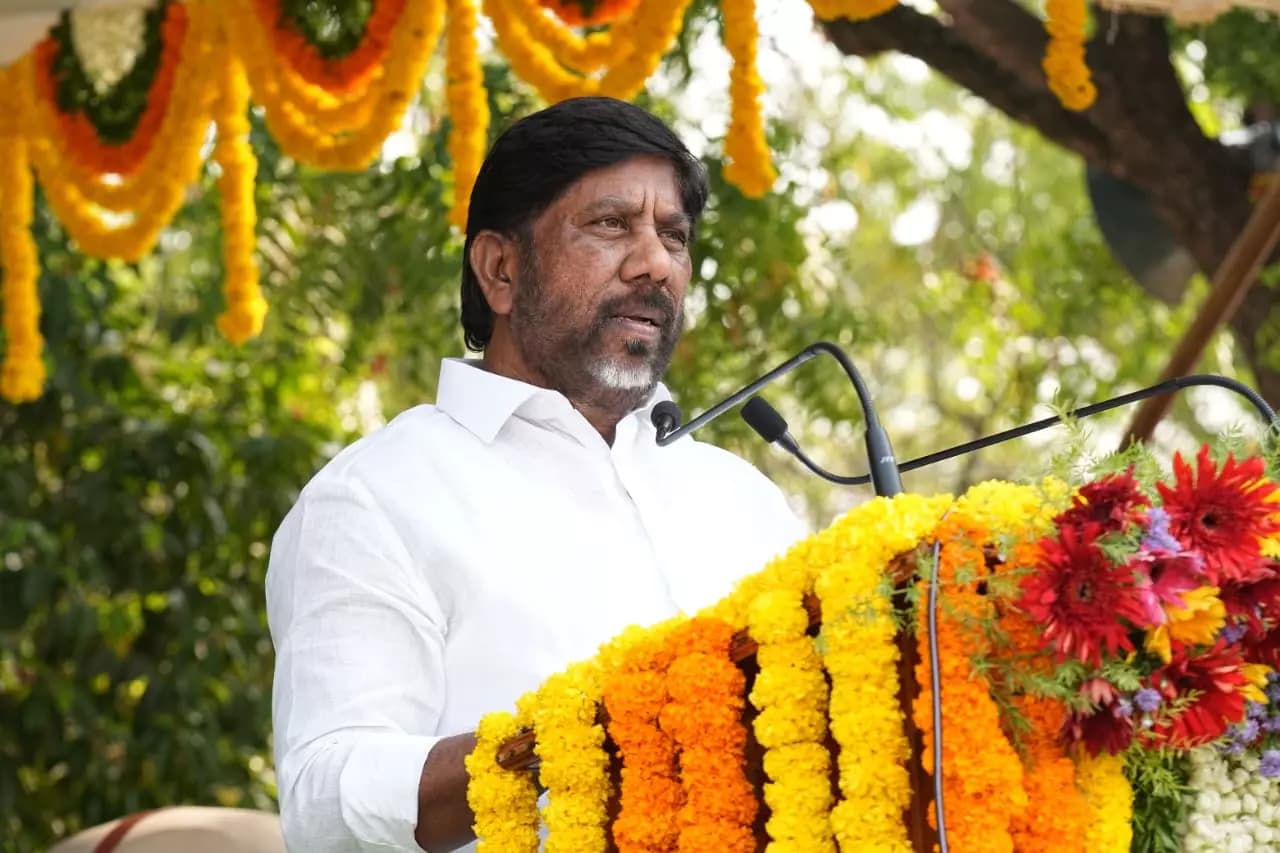
The ongoing discourse surrounding Australian immigration continues to be a defining feature of the national narrative, despite recent challenges from populist voices. Pauline Hanson, leader of the One Nation Party, recently utilized a platform at the National Press Club to reiterate her opposition to multiculturalism. She argued that current intake levels are responsible for many domestic issues, proposing a shift toward a monocultural society that aligns with her view of a Judeo-Christian foundation.
While these sentiments are gaining attention, they are not entirely new to the Australian political landscape. Historical debates regarding cultural homogeneity have surfaced periodically since the late 1960s, with figures like Billy Snedden previously advocating for a monoculture. Critics from both ends of the political spectrum have long scrutinized the practical implications of multicultural policies, often arguing that they prioritize symbolic gestures over addressing systemic inequalities.
Historical Patterns of Outsider Narratives
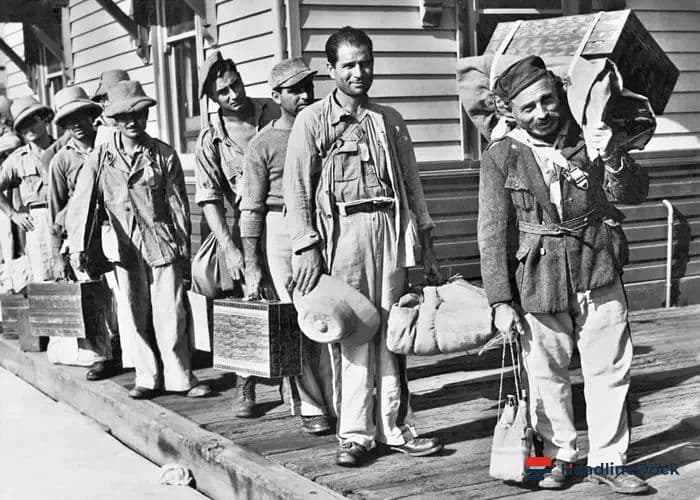
Throughout the 19th and 20th centuries, Australia has frequently identified specific migrant communities as perceived threats. From early concerns about Irish Catholics to the derogatory labeling of Southern Europeans in the 1920s and 1930s, the tendency to view newcomers as challengers to the status quo is well-documented. During the 1980s and 1990s, the focus shifted toward Asian immigration, fueled by alarmist predictions of social instability.
Despite these recurring cycles of anxiety, the predictions of catastrophic failure have largely remained unrealized. The Australian center has shown a significant capacity to accommodate change, distinguishing it from other nations that have struggled more severely with shifting demographics. As noted by the late historian Stuart Macintyre, while populist insurgencies emerge periodically, they have historically failed to alter the fundamental established political alignment of the country.
The Australian Election Study and the Scanlon Foundation’s Mapping Social Cohesion survey provide a nuanced look at public opinion. Data suggests that public support for reducing immigration levels often fluctuates in direct correlation with the state of the economy and personal financial security, rather than exclusively reflecting cultural grievances. When living standards decline, such as in the period following the 2010 Global Financial Crisis, the appetite for high intake numbers tends to diminish.
Nevertheless, the concept of being an immigrant nation remains deeply embedded in the identity of the population. Even as political figures attempt to leverage anxieties about the cost of living and job security, a substantial majority of Australians continue to agree that multiculturalism has been a net benefit for the country. The narrative of nation-building through diverse migration remains a powerful and enduring force, resilient against the pressure of current populist critiques.
,curated_key_highlights:[