Power Demand Soars to 18,548 MW: State's Economic Growth Signal
The state of [State Name] has seen a surge in power demand, reaching 18,548 MW during the summer season due to increased usage of air conditioners, industrial expansion, and higher consumption among households. The Deputy Chief Minister emphasizes economic growth indicators while outlining plans for renewable energy transition.
Highlights
- •18,548 MW power demand reflects economic growth in [State Name]
- •Initiatives like Musi River rejuvenation and Future City will boost electricity usage
- •Renewable energy focus: 20,000 MW solar capacity by 2030
- •Indira Soura Giri Jala Vikasam Scheme to provide solar-powered irrigation for six lakh acres
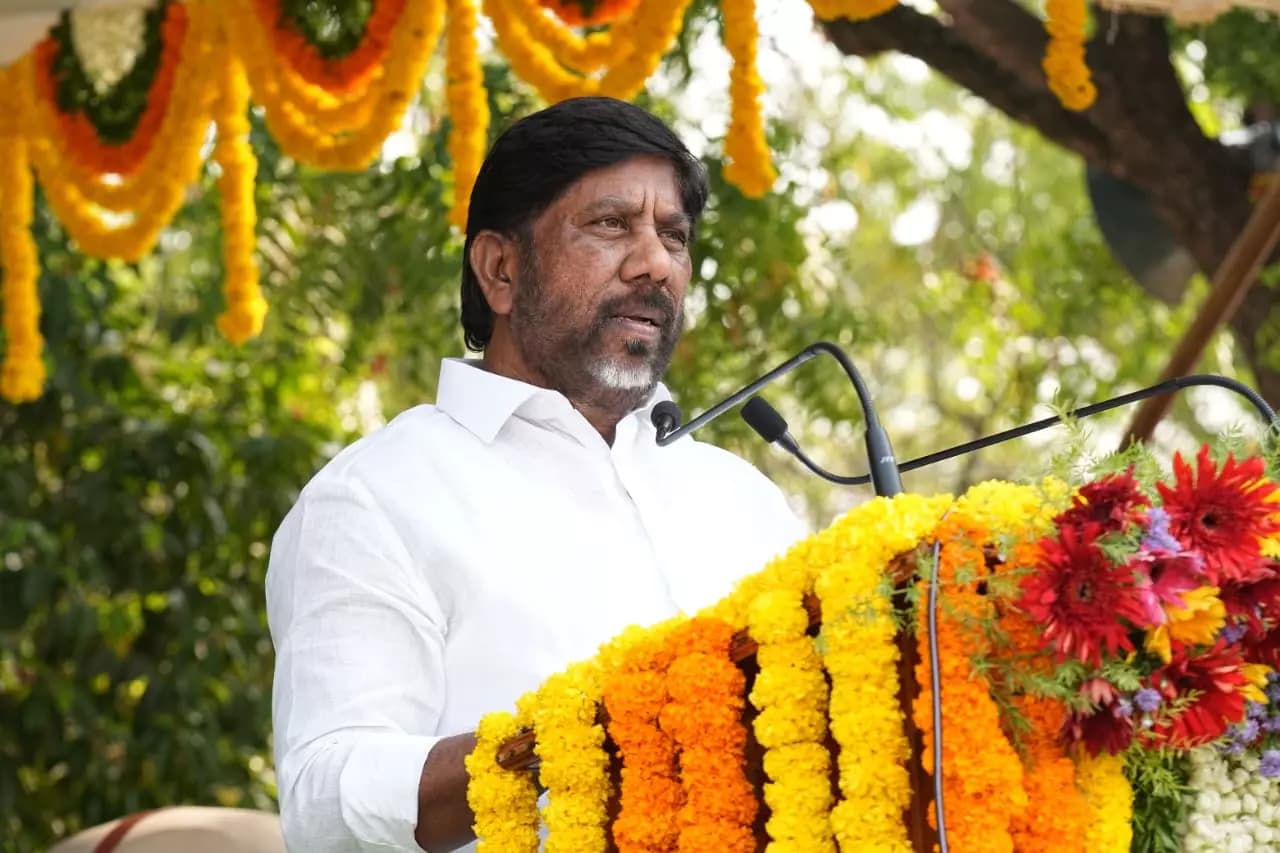
Mallu Bhatti Vikramarka, the Deputy Chief Minister of [State Name], has announced that the state's electricity demand has surged to 18,548 megawatts (MW) during this summer season. This marks a significant increase from around 15,000 MW in 2023, reflecting an over 3,500 MW rise in just two-and-a-half years.
Highlighting the connection between power demand and economic growth, Bhatti stated that increasing usage of air conditioners, industrial expansion, and higher household consumption are driving these numbers. He cited key initiatives such as the Musi River rejuvenation, Future City, Pharma City, data centres, and industrialisation which he expects to further amplify power demands in the coming years.
Transitioning to Renewable Energy
Bhatti also discussed strategies to transition from conventional fuels towards renewable energy. The state aims to generate 20,000 MW of solar capacity by 2030 with pilot projects converting around 85 villages into fully solar-powered units.
To ensure that tribal farmers can access electricity for irrigation, the government plans to implement the Indira Soura Giri Jala Vikasam Scheme, which will provide solar-powered irrigation to almost six lakh acres. Bhatti reassured the opposition and farmers by stating that free power supply to farmers and subsidies for poor households would continue.
Highlighting efforts to reduce transmission losses, Bhatti suggested exploring separate utility services specifically tailored for agriculture. This includes initiatives like rooftop solar trials in two mandals, all aimed at improving overall electricity efficiency and cost containment.