Congress Alleges Government Manipulated Rural Wage Data to Claim Economic Boom
The Congress party has accused the government of falsifying rural wage data by altering sampling methodologies. They argue this creates an illusion of a wage boom, while actual growth remains at a four-year low, masking the reality of the ongoing economic slowdown.
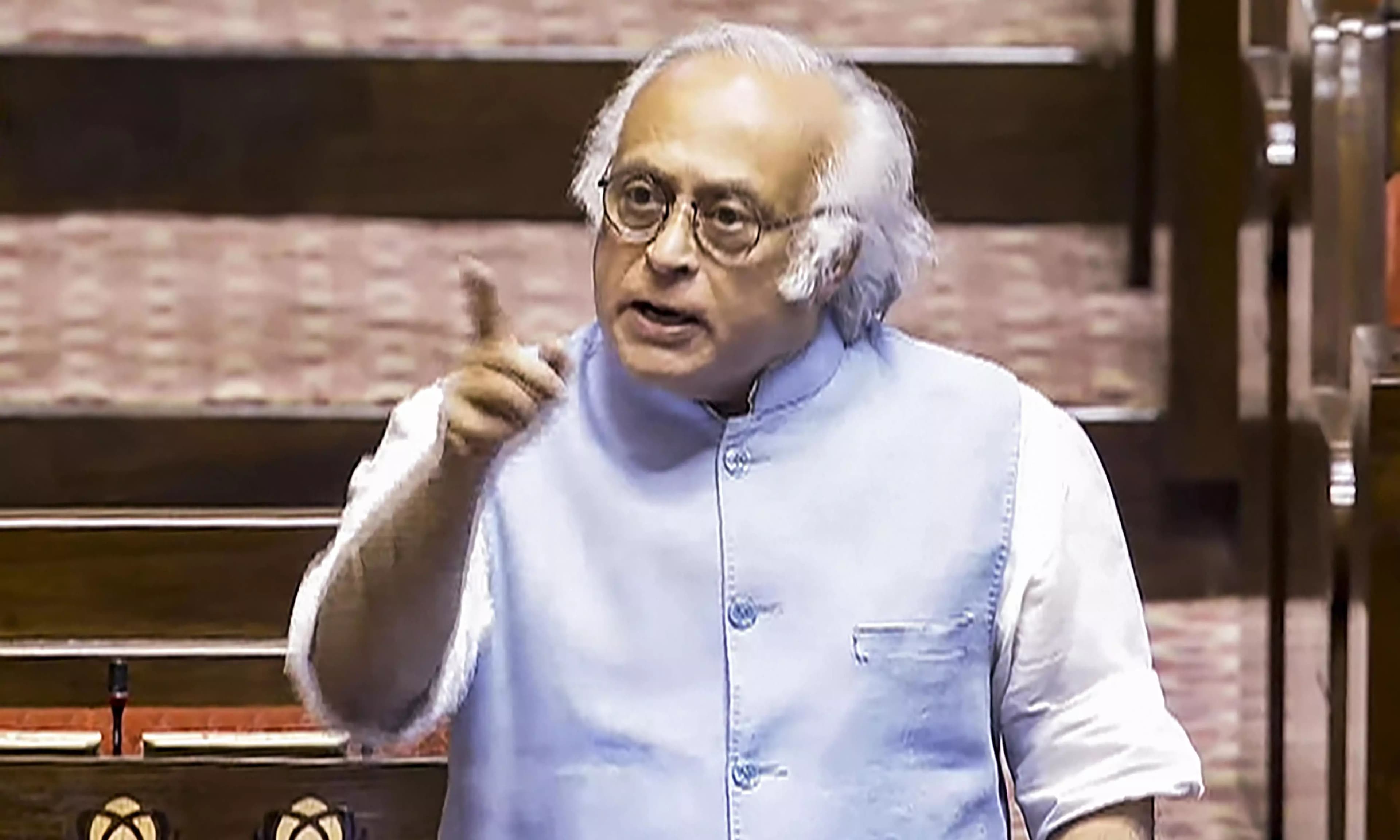
The opposition party has launched a sharp critique regarding the accuracy of economic data released by the government, specifically focusing on rural wage data. The Congress claims that the administration is attempting to create a false impression of a robust wage boom through what it describes as the manipulation of statistical methodologies.
According to Jairam Ramesh, the general secretary of the Congress party, this recent trend is reminiscent of previous controversies where the RBI was alleged to have altered employment definitions to exaggerate job growth statistics. He argued that the current administration is now applying similar tactics to rural wage reporting to obscure the reality of an ongoing economic slowdown.
Allegations of Fabricated Rural Wage Growth
The controversy stems from data showing a significant increase in annual rural wage growth, which reportedly jumped from 6% to between 17% and 18% during the period from June 2025 to March 2026. Official figures suggested that daily average wages surged by 12.7% within a single month, a spike that the opposition characterizes as artificial.
Ramesh explained that this supposed rural wage data boom was facilitated by a change in the sampling framework implemented by the Labour Bureau. He alleged that this adjustment occurred without any formal press release or public disclosure. The new framework reportedly expanded the sample pool to include regions such as NCT Delhi, Goa, and various northeastern states.
The core of the criticism lies in the composition of this new sample. Despite these regions representing only 1.2% of India's total workforce, they now account for 11% of the total sample size used to calculate the figures. Because these specific areas have a higher concentration of skilled work and significantly lower reliance on agricultural employment, their average wage levels are inherently higher, typically by 50% to 55%, than those in the rest of the country. By incorporating these data points, the government has allegedly skewed the national average upward.
When adjusting for this methodological shift, the opposition analysis indicates that actual wage growth remains closer to 4.3% per annum. This represents the weakest growth observed in four years, standing in stark contrast to the government's narrative of a widespread wage boom. This situation highlights ongoing tensions regarding transparency in the reporting of national economic indicators, with critics calling for more rigorous standards to ensure that data reflects the genuine financial condition of the rural population rather than political narratives.
,curated_key_highlights:[