Telangana Rallies for Lower VAT on Petrol and Diesel
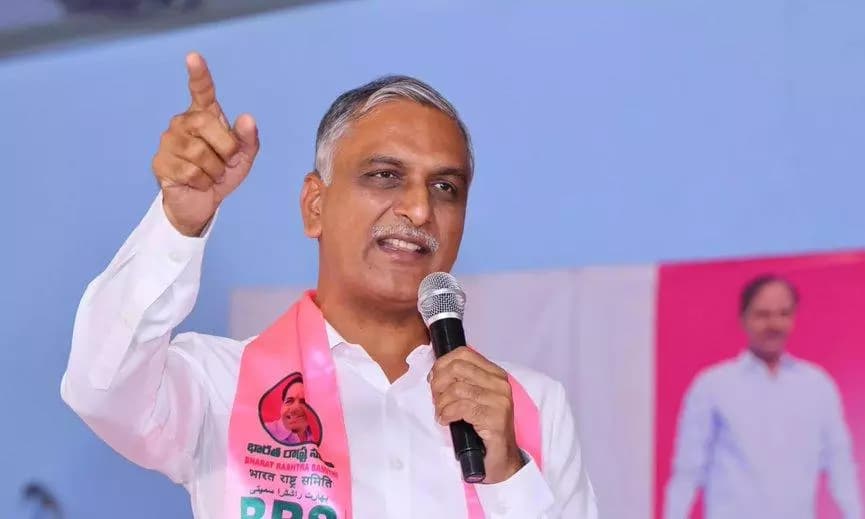
Telangana's BRS leader T. Harish Rao has called for a reduction in state-imposed VAT on petrol and diesel, arguing that this would help mitigate rising fuel prices and reduce financial strain on citizens.
Highlights
- •BRS leader T. Harish Rao demands VAT cut to lower fuel prices
- •35% of ₹115 per litre petrol is state-imposed VAT
- •State imposes 27% VAT on diesel which now costs ₹103 a litre
- •Cut in VAT could pass benefits to the people,缓解经济压力
HYDERABAD: In a significant push to ease the financial burden on citizens, senior BRS leader and former finance minister T. Harish Rao has called for an immediate reduction in the Value-Added Tax (VAT) levied by the Telangana government on petrol and diesel. In an open letter addressed to Chief Minister A. Revanth Reddy, Rao highlighted that a recent 7.50 per litre increase in fuel prices over two weeks included a significant portion of state-imposed VAT.
"Of the ₹115 per litre of petrol, 35 percent is accounted for by VAT. For diesel at ₹103 a litre, this percentage stands at 27." Rao further estimated that this additional VAT has placed an extra burden of ₹162 crore on Telangana's populace every month. Rao emphasized the need for the chief minister to act upon these concerns and pass down benefits to the public by reducing fuel-related taxes.
In response, Harish Rao questioned why the chief minister is silent despite previously raising similar issues while in opposition. "Farmers, common people, and transport sectors are all suffering due to rising fuel prices," he stated.
Fuel Price Escalation and Its Impact on the Economy
The increase in petrol price from ₹89 per litre to ₹103.5 has added 14.6 percent to overall costs, while diesel has increased by nine percent to ₹103 per litre. Harish Rao argued that this trend will exacerbate inflationary pressures and hit the economy hard. "Every segment of society is affected, making it a critical issue," he noted.
BRS leader T. Harish Rao's assertions align with broader concerns about the state-imposed VAT and how it impacts economic stability in Telangana. The need for lower fuel prices directly relates to enhancing purchasing power and mitigating cost burdens on everyday consumers, particularly those dependent on public and private transport.
In its wake, the demand for reduced VAT resonates with current socio-economic challenges. As inflation continues to rise, such measures could alleviate pressure on the populace's finances.