Commercial LPG Rates Hike in Delhi Affects Hotels and Restaurants
A hike in commercial LPG prices by Rs 42 per 19-kg cylinder has affected hotel and restaurant operations significantly. While there was no change for household users, businesses face higher operational costs which might impact their margins or service pricing.
Highlights
- •Commercial LPG Prices Increased by Rs 42 in Delhi
- •No Change in Domestic LPG Rates
- •Impact on Hotel and Restaurant Operations
- •Ripple Effect May Affect Other Culinary Services
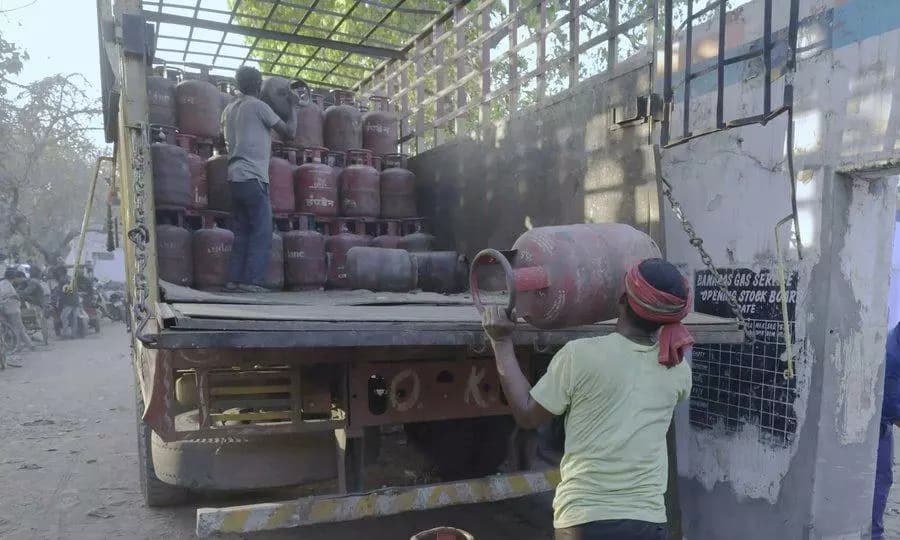
New Delhi: The prices of commercial liquefied petroleum gas (LPG), used extensively by hotels and restaurants, saw a significant rise this week. According to industry sources, the commercial LPG cylinder size of 19-kilograms saw its price increase from Rs 3,071.50 to Rs 3,113.50 in Delhi. This hike adds Rs 42 per cylinder compared to last month's rates.
However, there was no change noticed in the domestic LPG prices used by households and small consumers. The 14.2-kg cooking gas cylinder retains its value at Rs 913. While this move has largely affected businesses in the hospitality sector, it is yet to become a major concern for residential use.
Impact on Hospitality Sector
The increase of LPG prices can pose financial challenges for establishments reliant on commercial LPG for their day-to-day operations. For large restaurants and hotels, where gas cylinders are used in significant volumes, this hike could translate into noticeable expenses, pushing them to find alternative cost-saving measures or seek better deals from suppliers.
Moreover, the hikes are expected to have a ripple effect across other services within the culinary industry. Catering companies, food trucks, and industrial kitchens that use high volumes of LPG would see a direct increase in their operational costs. This could affect them negatively by potentially raising service costs for their customers or by impacting their margins.
Restaurants and cafes might also start exploring efficient ways to optimize gas usage and reduce wastage. In turn, it could lead to more research into clean energy solutions like electric stoves and other renewable sources that can provide sustainable alternatives in the long run.