Should Australia Ban Kidfluencers? The Dutch Proposal to Regulate Digital Child Labour
The Dutch government is debating a ban on children under 16 appearing in paid social media content, citing child labour concerns. The move sparks a global discussion on the need for better legal protections for minors in the growing influencer economy.
Highlights
- •The Netherlands is considering a ban on children under 16 appearing in paid social media content.
- •Authorities view the commercial exploitation of children in digital media as a form of child labour.
- •Current Australian regulations often fail to protect children involved in non-traditional influencer work.
- •Proposals suggest extending child labour protections to the digital space rather than implementing blanket bans.
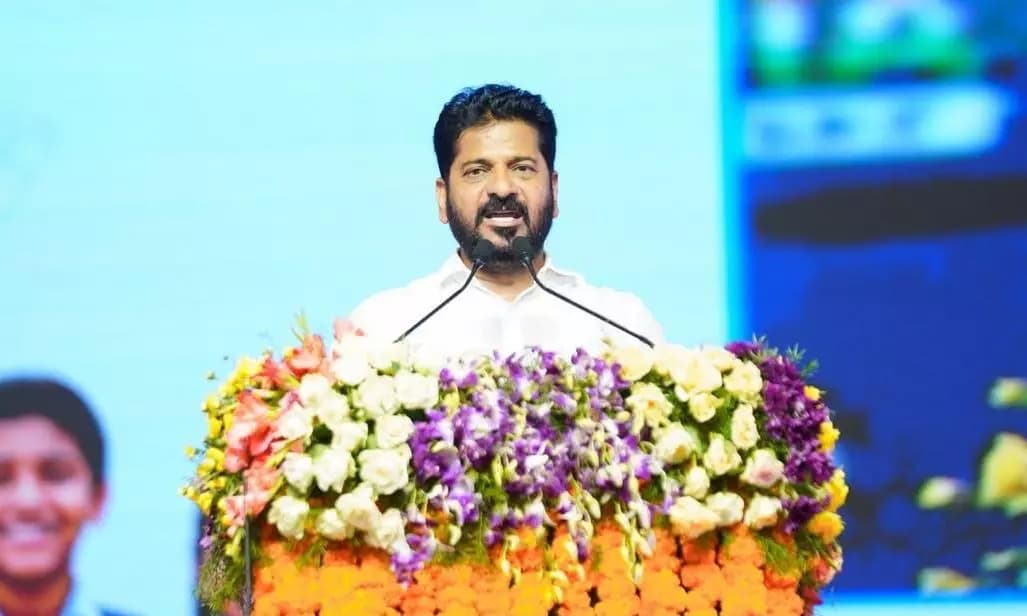
The Dutch government is currently evaluating a proposal that would prohibit the use of children under the age of 16 in compensated social media content. Authorities are framing this potential legislative shift around concerns regarding child labour, as they believe content designed to market products to minors via child influencers effectively exploits the young participants.
As discussions grow surrounding the ethics of kidfluencers, questions remain about whether similar regulatory frameworks should be implemented in other countries. With nations like the United Kingdom observing these trends, many are looking at whether stricter rules could provide necessary safeguards for privacy, consent, and fair remuneration for children involved in digital content creation.
Understanding the Kidfluencer Phenomenon and Risks
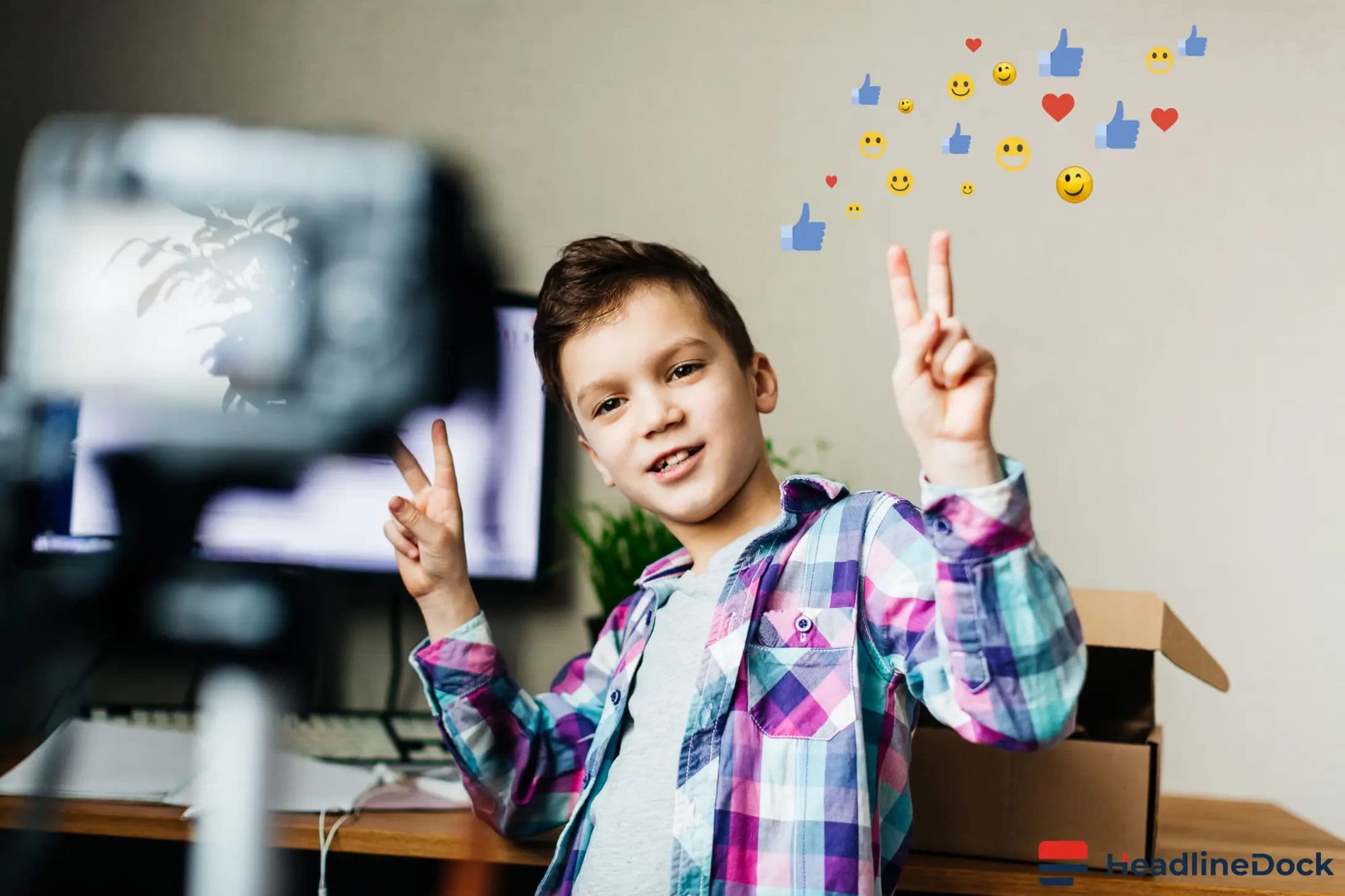
The rise of the kidfluencer economy has been dramatic, with young creators featured prominently in family vlogs, toy reviews, and gaming streams. A prime example is Ryan Kaji, who began reviewing toys on YouTube at four years old. His presence grew into an international brand, Ryan's World, boasting over 40 million subscribers and generating massive annual earnings. Experts note that children often view these influencers as highly relatable, which can impede their ability to identify persuasive advertising techniques.
The line between entertainment and promotion is increasingly blurred, creating a digital environment where influencer-led content frequently goes viral. Thierry Aartsen, the Dutch Minister for Work and Participation, warns that placing children at the center of monetized content can negatively impact their sense of self-image and privacy. Because children often lack the capacity to provide true consent or control their digital footprint, the move to treat this as child labour aims to implement much-needed protections.
Navigating Regulatory Gaps in Australia
The prospect of a ban highlights significant regulatory challenges in Australia. Currently, laws governing child employment are fragmented across states and territories, creating a grey area where it is unclear if child influencers are considered employees or family participants. While New South Wales has specific requirements for child actors and models overseen by the Office of the Children's Guardian, these regulations often do not extend to content created by parents for personal brand sponsorships.
Instead of a total ban, many experts suggest alternative approaches to modernize child protection. This could involve classifying participation in monetized content as digital labour, requiring compliance with strict codes of conduct regarding working hours and supervision. Enhanced disclosure requirements by the ACCC and AANA regarding sponsored content featuring minors, alongside improved media literacy initiatives, could offer a balanced solution. By equipping families with the knowledge to make informed decisions, authorities hope to mitigate risks while still allowing for digital participation in a safer, more transparent online landscape.