Victoria High Schools to Introduce Mandatory Daily Device-Free Time in 2027
Starting in 2027, Victorian high schools will introduce mandatory daily device-free time to enhance learning quality. The initiative encourages a mix of traditional and digital teaching methods, prioritizing focused educational engagement while still preparing students for a world increasingly shaped by artificial intelligence and digital systems.
Highlights
- •Victorian high schools to implement daily device-free learning time starting in 2027.
- •Policy aims to balance digital literacy with traditional methods like handwriting and group debates.
- •No fixed time limit is set; the focus is on the pedagogical purpose of the technology.
- •Schools must prepare students to navigate AI and digital tools responsibly despite limitations.
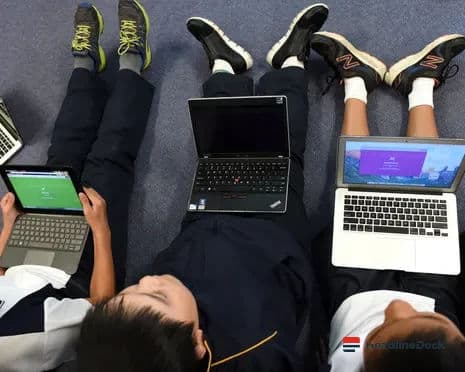
Starting from term 1 of 2027, Victorian high schools have been instructed to integrate daily device-free time into their academic schedules. This initiative is designed to encourage diverse teaching methods, such as paper-based assignments, group debates, and practical experiments, rather than relying exclusively on digital screens for classroom learning. This policy extension arrives on the heels of established screen-time caps implemented for younger students, specifically 90 minutes for children in years 3-6.
Evaluating the Role of Technology in Modern Education
The conversation around device-free time in classrooms raises significant questions regarding how educational institutions balance digital literacy with traditional learning methods. While many Australian states reference national movement guidelines for recreational screen use, Victoria is pioneering these specific mandates for school environments. Some independent schools across the country have already adopted similar measures, positioning themselves as institutions that prioritize focused, face-to-face interaction as a benchmark for quality education.
There is no universal consensus on a specific duration for screen use, as experts emphasize that the pedagogical intent behind the technology matters more than the minutes spent in front of it. Effective use of digital devices—such as visualizing complex scientific models or solving authentic, collaborative problems—can enhance student engagement. Conversely, passive consumption without a clear educational goal is less effective. Education authorities have clarified that there is no rigid “magic number” for daily screen use, as blanket restrictions would fail to account for the varied needs of a dynamic curriculum.
The broader context for this policy includes public concern over technology’s impact on young people, following the widespread banning of smartphones in schools and the introduction of restrictions on social media use for those under 16. However, educators warn against conflating recreational technology, artificial intelligence, and teacher-directed classroom tools into a single category. Each serves different purposes and presents unique challenges.
Preparing Students for a Digital Future
As schools implement these changes, they must ensure they still adequately prepare students for a world defined by digital systems and artificial intelligence. Comprehensive education now requires teaching students how to critically evaluate online information, recognize biased AI outputs, and manage digital distractions effectively. Parents looking to understand how these policies affect their children are encouraged to engage with educators by asking about the specific learning objectives of digital tools, how student privacy is managed, and the ways in which schools foster responsible technology habits. Ultimately, including students in these conversations ensures their experiences inform balanced, effective educational policies.