Why Children From Norway to Wisconsin Dream of Being Social Media Influencers
Research shows children in Norway and Wisconsin increasingly view being a social media influencer as a top career choice. This shift highlights a widening gap between traditional school-based career guidance and the digital-first ambitions currently shaping the professional dreams of the next generation.

Highlights
- •Social media influencers have become a top career aspiration for children in Norway and Wisconsin.
- •Over 60% of surveyed students choose careers based on online trends and social media exposure.
- •Formal school career programs are increasingly viewed as ineffective compared to digital-age career realities.
- •Many aspiring influencers remain unaware that nearly half of content creators earn less than $15,000 annually.
A growing number of children in Norway and Wisconsin are dreaming of becoming social media influencers, a trend that is reshaping how young people perceive future career paths. When asked what they want to be when they grow up, many students now frequently point to careers as content creators, drawn by the perceived allure of fame and financial success associated with the digital landscape.
The Rising Popularity of Influencer Careers
Recent research indicates that social media has become a primary driver of career aspirations among young people, ranking just behind family, friends, and teachers as a key influencer. Data collected between 2021 and 2024 from students as young as seven years old shows that over 60% of middle and high schoolers express an interest in becoming online creators or base their future professional goals on digital content they consume. While traditional dreams like becoming a professional athlete, musician, or actor remain common, the digital-first aspiration is significantly disrupting traditional career development models.
For children as young as seven, the motivation is often simple: they see influencers garnering fame and generating significant income. This aspiration continues into the teenage years, even as older students begin to consider more conventional professions like nursing, engineering, or skilled trades. Despite the high interest, the reality of the creator economy is challenging; research suggests that nearly half of all online content creators earn less than $15,000 annually, highlighting a stark gap between childhood dreams and professional reality.
Evaluating the Impact of School Career Programs
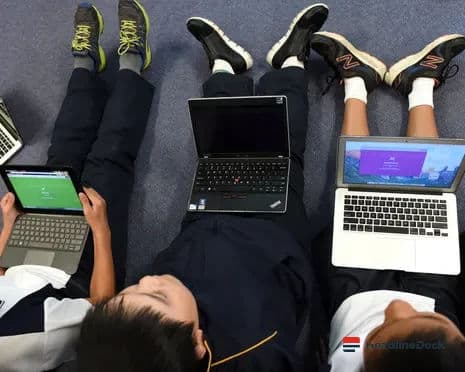
There is a growing disconnect between formal educational systems and the digital influences shaping students. While states like Wisconsin have implemented laws requiring multiyear academic and career planning, students often find these traditional online surveys and school programs to be repetitive or disconnected from their real-world interests. Many participants described these school-provided tools as a waste of time, noting that they failed to account for the modern digital economy.
Educators are currently faced with a difficult challenge. Formal career guidance programs, which often rely on legacy frameworks, are struggling to compete with the persistent, daily influence of online content. As young people continue to consume social media every day, their perceptions of work, success, and the future are being molded by online communities rather than by standard classroom guidance. Experts suggest that both families and school systems need to acknowledge these evolving career interests to better support students as they navigate their professional futures in an increasingly digital world.