PAN Card Rules Update: No More PAN with Just Aadhaar
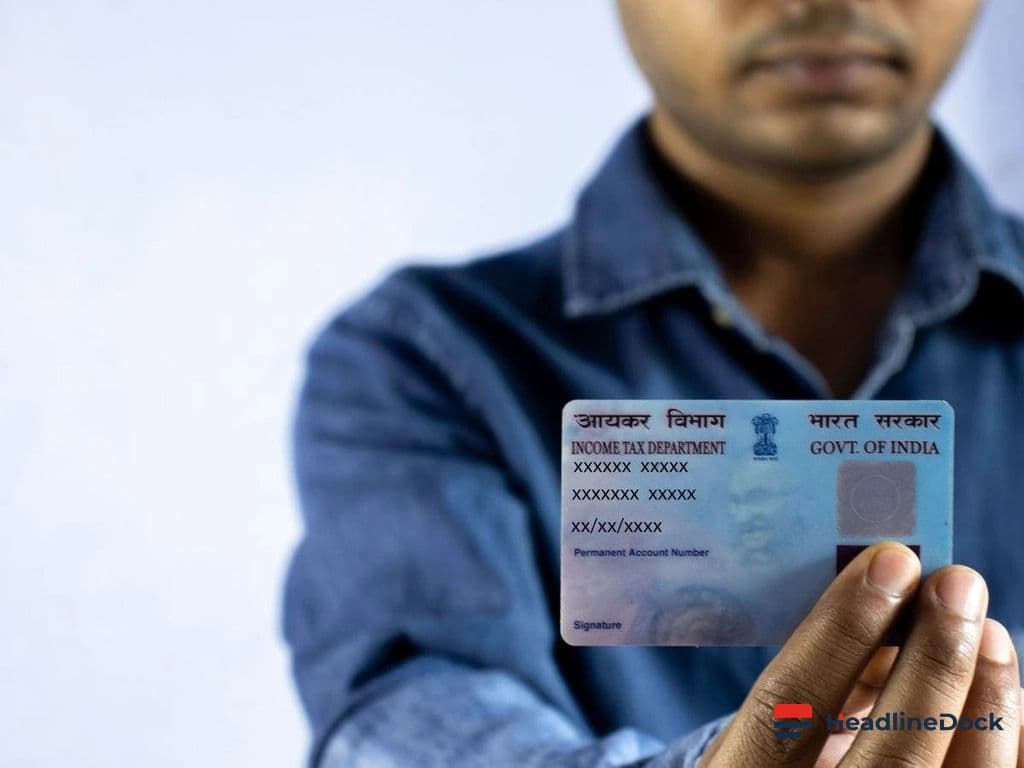
Starting April 1, 2026, no Indian citizen or company can obtain a PAN card solely on Aadhaar. New regulations enforce additional documentation and stricter verification processes to ensure accurate reporting and prevent tax evasion in key financial transactions.
Highlights
- •New Form for PAN Card Application: NSDL and UTIITSL to issue Form 93 instead of the previous 49A for Indian citizens; Non-Residents use Form 95, replacing Form 49AA.
- •No More Aadhaar Alone: PAN will not be issued based on just an Aadhaar number. Additional valid proof-of-date-of-birth documents are required and must match exactly with the Aadhaar record.
- •Financial Transaction Impacts: New limits for cash deposits, vehicle purchases, hotel payments, immovable property deals, insurance policies now mandate PAN cards even for lower transaction values.
- •Ideal Preparation Steps: Visit official NSDL or UTIITSL websites and complete a thorough application form with all the necessary documents.
The Indian government is set to implement stricter rules for obtaining and using a Permanent Account Number (PAN), effective from April 1, 2026. This update aims to enhance identity verification processes across various financial transactions to prevent tax evasion.
Key Changes in PAN Card Application
The primary change involves the abolition of issuing PAN cards solely based on Aadhaar numbers. Instead, applicants must now provide additional documentation alongside their Aadhaar card during the application process. Furthermore, the PAN name must exactly match the one registered with Aadhaar, without any alterations or discrepancies.
Required Documents for Proof of Date of Birth
In order to apply for a PAN starting from April 1, 2026, valid proof of date of birth is mandatory. Acceptable documents include Birth Certificate, Voter ID, 10th marksheet, Driving License, Passport, Affidavit issued by the Magistrate, or other government-issued documents.
Here's a step-by-step guide on how to apply for a PAN card:
- Navigate to official NSDL or UTIITSL websites
- Select the appropriate form - Form 93 for Indian applicants and Form 95 for Non-Residents.
- Complete personal details such as name, date of birth, mobile number, email address etc.
- Provide Aadhaar details for identity verification.
- Upload necessary documents (Aadhaar card and proof of DOB).
- Pay the required fee via online payment options.
- Submit your application and retain a copy of the acknowledgment number.
- Monitor the status and receive your PAN card upon approval.
New regulations will also impact various financial transactions. Cash deposits exceeding Rs 10 lakh annually, vehicle purchases costing over Rs 5 lakh, hotel restaurant payments over Rs 1 lakh, immovable property deals valued above Rs 20 lakh, and insurance policies requiring premiums of more than Rs 50,000 will all necessitate the presence of a PAN card.