Medical Minister Warns Govt Hospitals if Services Fail to Improve
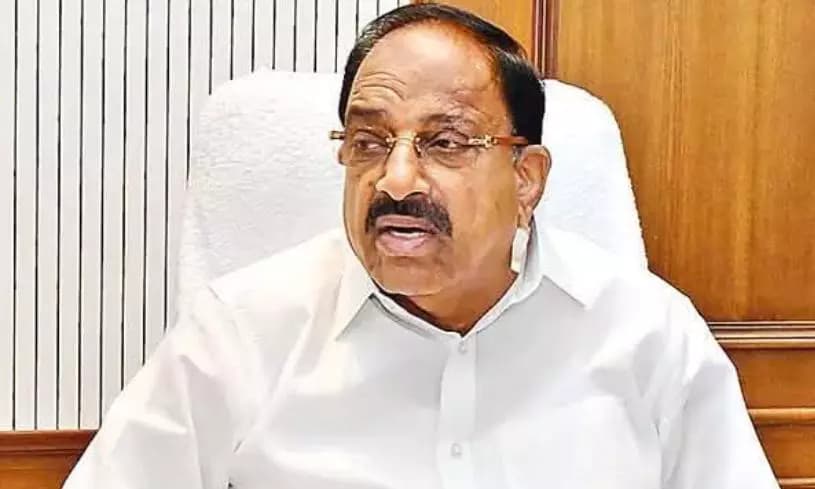
The medical minister Satya Kumar Yadav has initiated strict oversight of government hospitals following poor service standards and patient feedback. This marks a significant push for improved healthcare delivery across 26 districts in Vijayawada, focusing on areas like sanitation and doctor attendance.
Highlights
- •Medical Minister Satya Kumar Yadav initiates strict action against underperforming government hospitals
- •Review workshops based on patient feedback from Interactive Voice Response System (IVRS)
- •Health Commissioner warned of disciplinary action for repeated poor performance
- •Improvement targeted in areas like doctor absenteeism, sanitation, and patient care
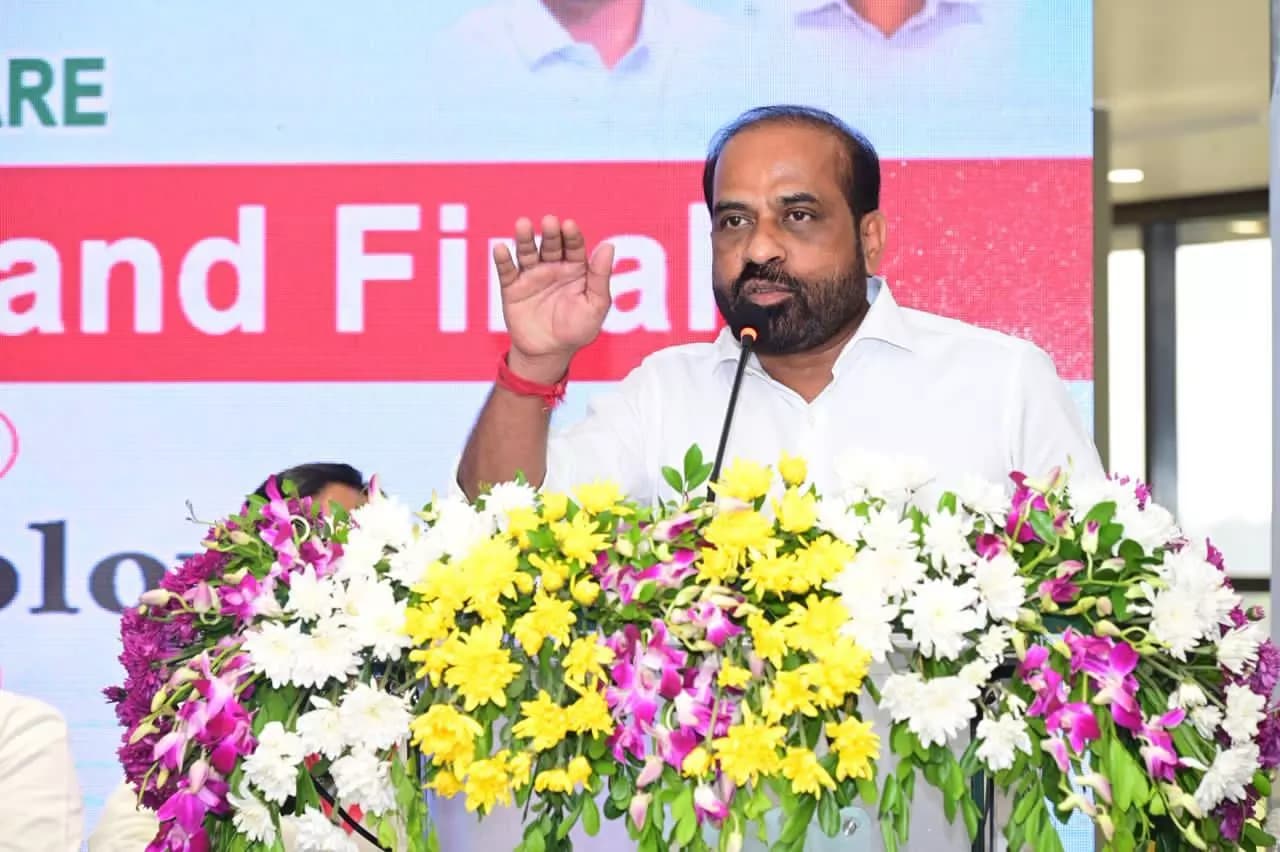
Vijayawada: In a bid to ensure top-notch healthcare, the medical minister Satya Kumar Yadav has ordered strict accountability measures across government hospitals. These actions follow directives from Chief Minister N. Chandrababu Naidu and come as part of a comprehensive review aimed at improving patient satisfaction and service quality.
In collaboration with the health ministry, special review workshops were convened involving medical superintendents, medical officers, and district health officials from across poorly performing hospitals in the state. These workshops utilized feedback collected via an Interactive Voice Response System (IVRS) between April 25 and May 25, showcasing a reliability rate of nearly 95 per cent.
Initiating Action for Underperformance
The minister highlighted critical areas requiring immediate attention, such as doctor absenteeism, inadequate sanitation, poor patient care, and indifferent administration. In strict compliance with these directives, departments reviewed low-performing hospitals in Amaravati, Mangalagiri, Kunchanapalli, and Vijayawada.
Primary health centers, urban health centers, district hospitals, community hospitals, regional hospitals, and teaching hospitals identified as the weakest performers were invited to these review meetings. These reviews were intended to address shortcomings directly by leveraging patient feedback and providing a platform for officials to explain their performance.
During one such workshop in Mangalagiri, Health Commissioner G. Veerapandian issued stern warnings that repeated poor performance would result in disciplinary action. In contrast, he also appreciated doctors who achieved 100 per cent patient satisfaction ratings and encouraged others to follow suit by adopting best practices in patient care.
Simultaneously, Directors K.V.N. Chakradhar Babu, Dr Raghunandan of secondary health, and Dr Radhika Reddy of medical education conducted independent reviews of 20 underperforming secondary hospitals across 10 districts. They emphasized a zero-tolerance policy towards negligence, aiming to improve the overall functioning of teaching and specialized hospitals.
According to official figures, all 26 districts participated in these performance accountability initiatives, marking the first coordinated effort by the government to enhance public hospital services within the state.