Mahindra's SUV Price Hike to Impact Auto Sector
Mahindra plans a significant price increase on its non-electric SUVs starting April 2026 due to rising costs. This hike will impact Thar, Scorpio, XUV7XO models and other top brands like Tata Motors and MG Motor India, as they also recently increased prices.
Highlights
- •Mahindra announces a 2.5% increase in non-electric SUVs and automatic vehicles from April 6, 2026
- •Despite price hikes, Mahindra sales reached a record-high of 99,969 units in March 2026, up 21% year-over-year
- •XUV7XO initial booked customers will get old prices until deliveries are completed
- •Tata Motors and MG Motor India have also increased their vehicle prices from April 1st
Mahindra has announced a significant price increase of up to 2.5% on its non-electric (ICE-powered) SUVs and automatic transmission vehicles from April 6, 2026. This move is in response to rising input costs and strong raw material prices.
Despite the hike, demand for Mahindra vehicles remains robust. In March 2026, sales surged by 21% compared to the same period last year, with a remarkable 25% growth seen in domestic SUV sales, amounting to a total of 99,969 units sold.
Impact on Market Leaders and Luxury Models
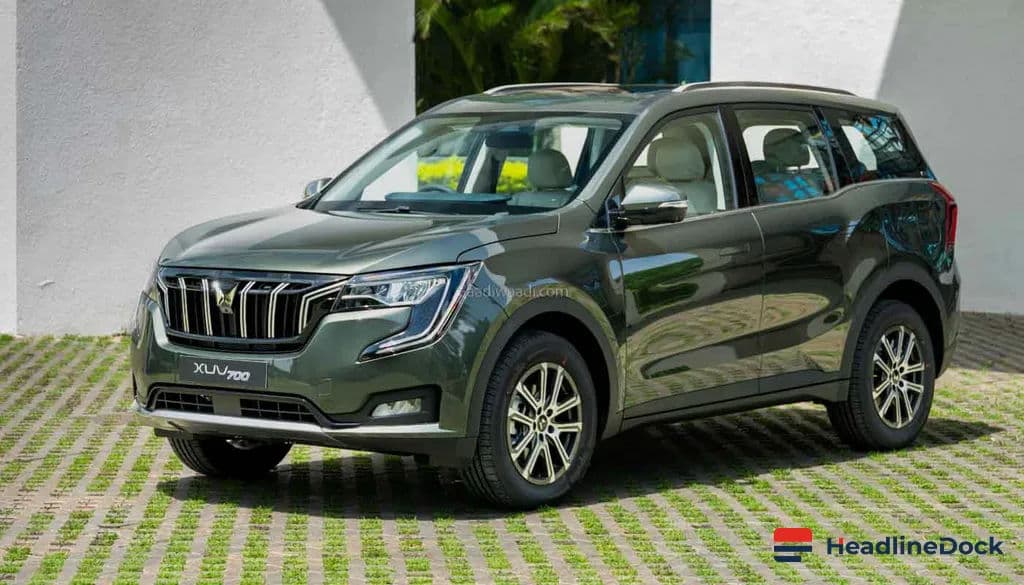
The price hike will affect popular models like the Thar, Scorpio, and XUV7XO. However, Mahindra has assured that customers who have already made early bookings for the XUV7XO will continue to enjoy the old prices until initial deliveries are completed. Once these 40,000 units are sold, prices will hike to account for the increased costs.
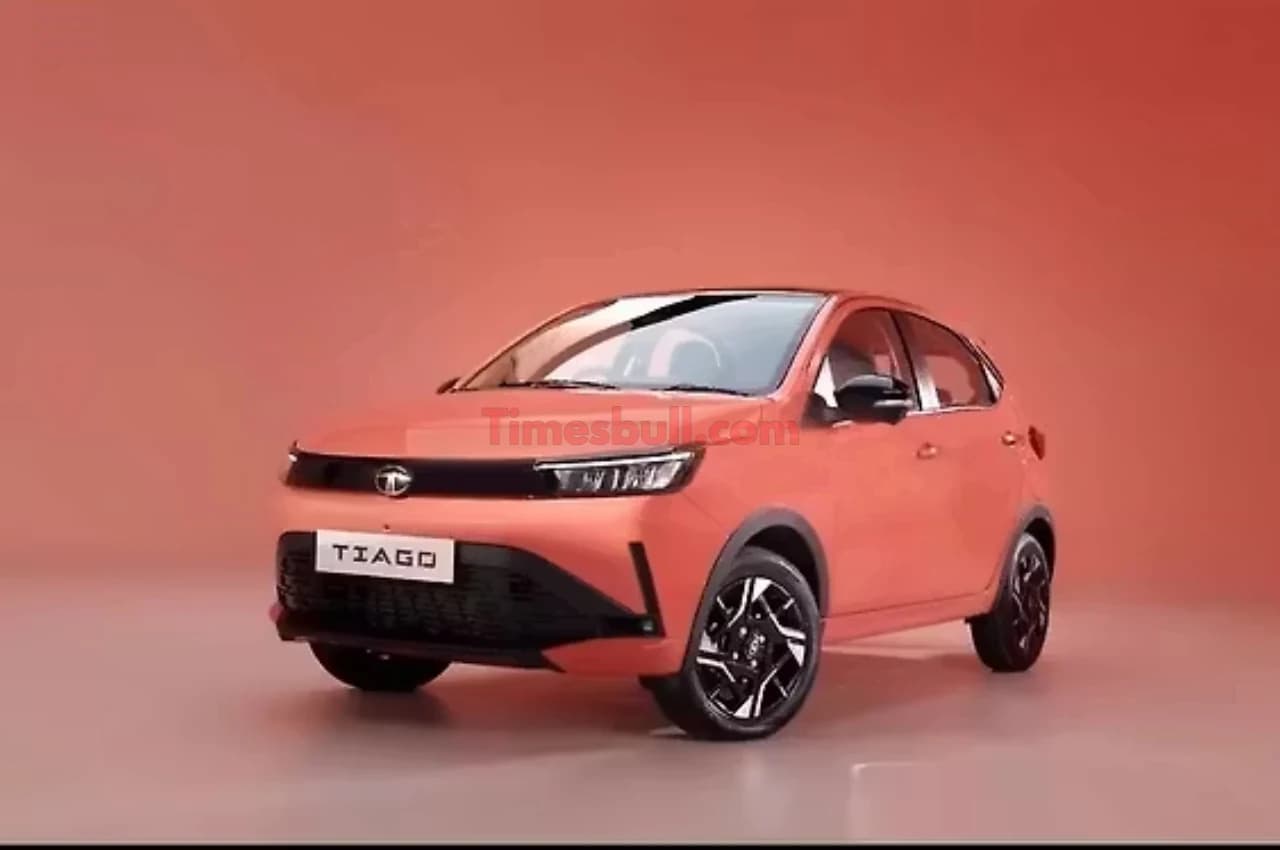
Additionally, Tata Motors and JSW MG Motor India also hiked their vehicle prices from April 1st in a ripple effect across the premium automotive market.
The Indian auto industry is set for broader changes. From 2026, E20 petrol with a blending of 20% ethanol will become mandatory to cut pollution and reduce dependency on petroleum imports.
These price hikes are part of the global trend witnessed by big names like Audi and BMW, which have increased prices for their premium models by up to 3%, highlighting the challenge for buyers willing to invest in luxury lifestyles.