K. Pawan Kalyan Directs Officials to Prevent Seasonal Diseases During Monsoon Season
Andhra Pradesh Deputy Chief Minister K. Pawan Kalyan has ordered officials to implement the 'Friday-Dry Day' program and enhance sanitation measures to curb the spread of seasonal diseases like dengue and malaria during the current monsoon season across all state villages.

Highlights
- •Deputy Chief Minister K. Pawan Kalyan ordered strict implementation of 'Friday-Dry Day' in all villages.
- •Goal is to prevent breeding of mosquitoes to stop spread of dengue, malaria, and chikungunya.
- •Officials must maintain adequate stocks of bleaching powder, chlorine tablets, and conduct regular fogging.
- •Public awareness campaigns via social media and announcements are to be used for sanitation education.
To combat the potential rise of seasonal diseases during the monsoon period, Deputy Chief Minister K. Pawan Kalyan has issued explicit directives to state officials. Emphasizing proactive health management, he has ordered the strict implementation of the 'Friday-Dry Day' initiative across all villages in the state. The primary objective of this mandate is to eliminate stagnant water collection and sewage pooling, which serve as breeding grounds for mosquitoes that carry infectious illnesses such as dengue, malaria, and chikungunya.
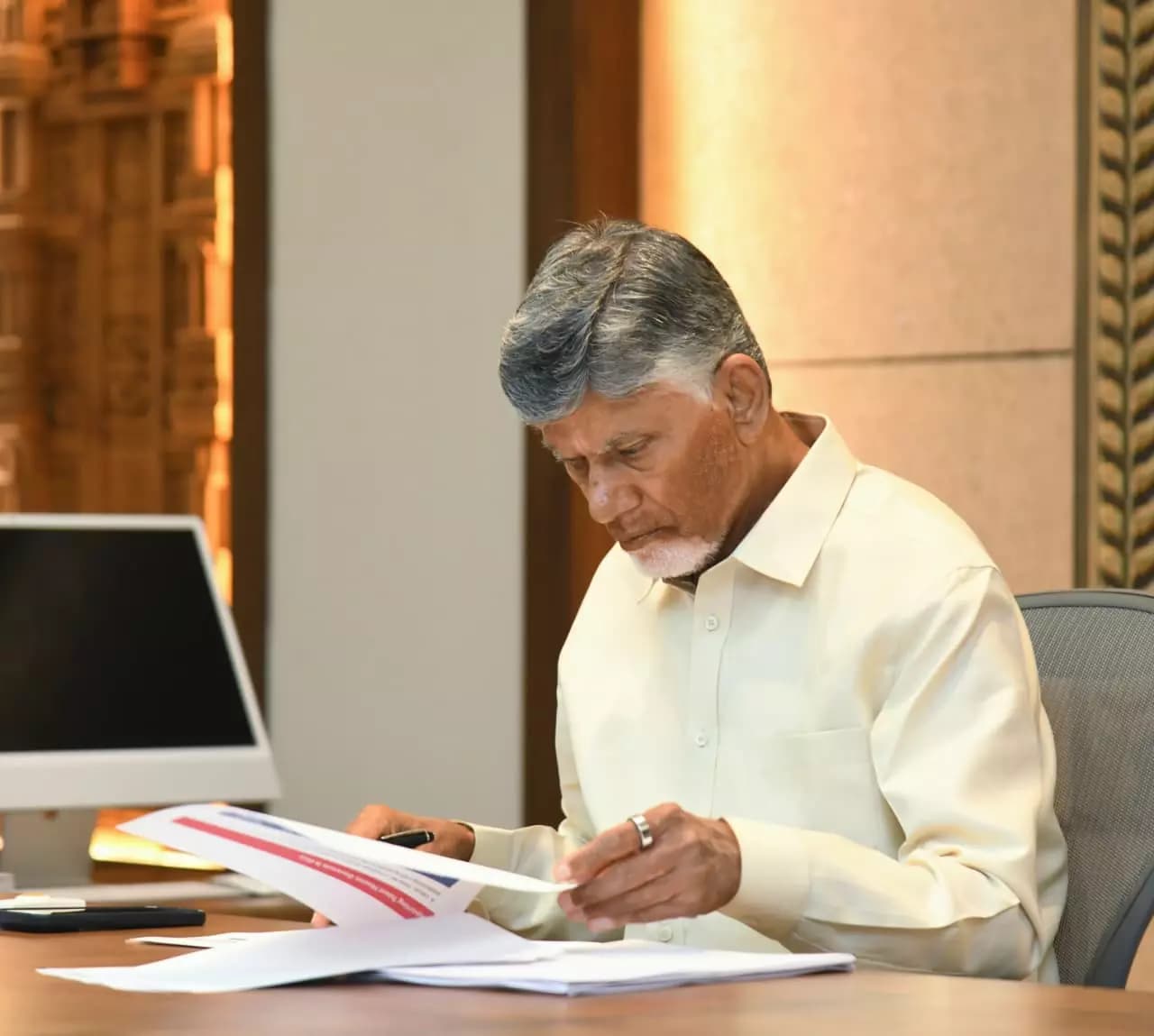
During a high-level meeting with the rural development principal secretary Kantilal Dande and Commissioner Krishna Teja, the Deputy Chief Minister reviewed the state's preparedness regarding public health and essential infrastructure. The discussion covered comprehensive strategies for maintaining sanitation, securing drinking water supplies, and managing mosquito populations in rural regions. K. Pawan Kalyan highlighted that every local gram panchayat must prioritize public health initiatives to safeguard citizens during the rainy season.
Strategies to Mitigate Health Risks
As part of the intensified effort against seasonal diseases, officials have been instructed to maintain a robust stockpile of essential medical supplies, including chlorine tablets and bleaching powder. Beyond medical preparations, the administration is focusing on waste management. Local bodies have been directed to adopt scientific methods for the daily collection of solid waste and to increase public awareness regarding proper waste disposal techniques.
The directives also emphasize the importance of regular fogging operations to curb the spread of mosquitoes. To ensure the message reaches the grassroots level, the Deputy Chief Minister suggested utilizing multiple communication channels, including social media platforms, village-level WhatsApp groups, and direct audio announcements via loudspeakers to educate residents on sanitation practices. Furthermore, officials were tasked with the rigorous supervision of the drinking water supply infrastructure. This includes conducting thorough inspections to detect and repair any leakages in pipelines that could potentially lead to contamination and water-borne illnesses.
By enforcing these strict monitoring and sanitation protocols, the government aims to create a healthier environment for rural populations throughout the monsoon months. These efforts are part of a broader commitment to public hygiene and the prevention of widespread health outbreaks through community-level intervention and administrative accountability.