J.D. Vance Sees Strong Foundation for Iran Deal After Direct Negotiations
U.S. Vice President J.D. Vance reports positive progress in direct talks with Iran, establishing a foundation for a potential deal. Key outcomes include resumed IAEA inspections and temporary U.S. sanctions relief, with a 60-day roadmap for a final agreement now in place.

Highlights
- •U.S. Vice President J.D. Vance confirms a strong foundation has been established for a potential Iran deal.
- •Tehran has agreed to allow international nuclear inspectors back into the country as part of the talks.
- •The U.S. is temporarily lifting specific oil sanctions on Iran until August 21 in exchange for maritime security commitments.
- •Mediators from Pakistan and Qatar are guiding a roadmap toward a final agreement within the next 60 days.
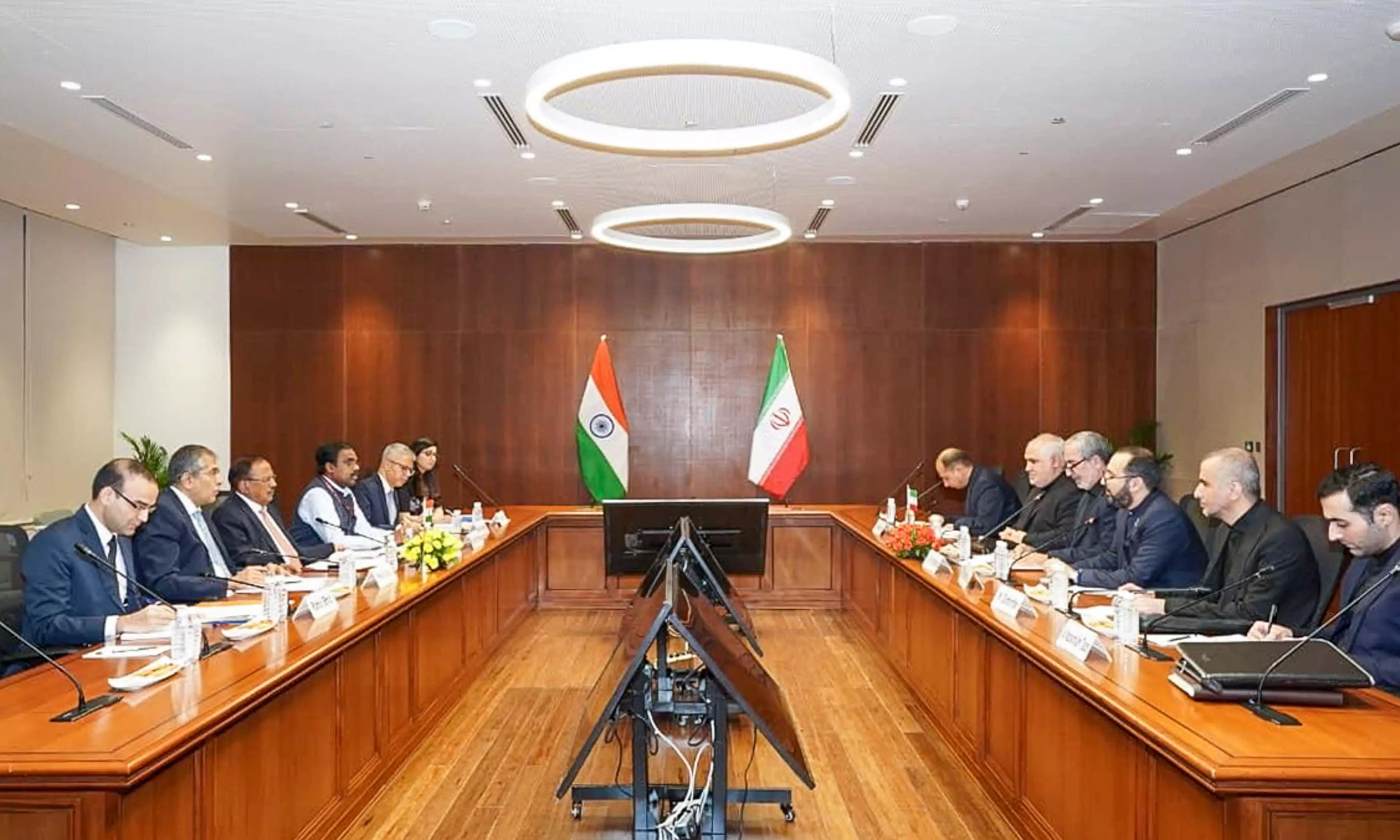
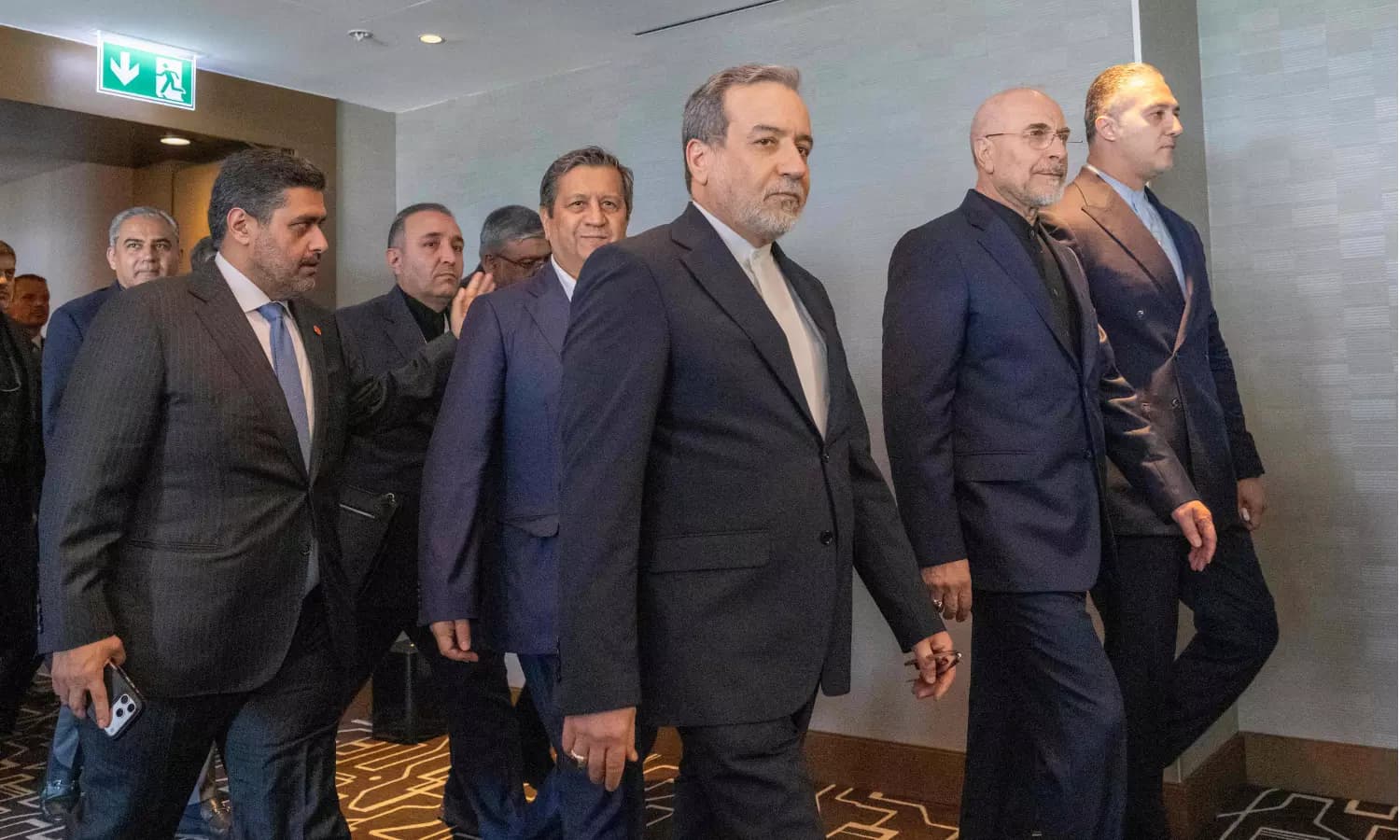
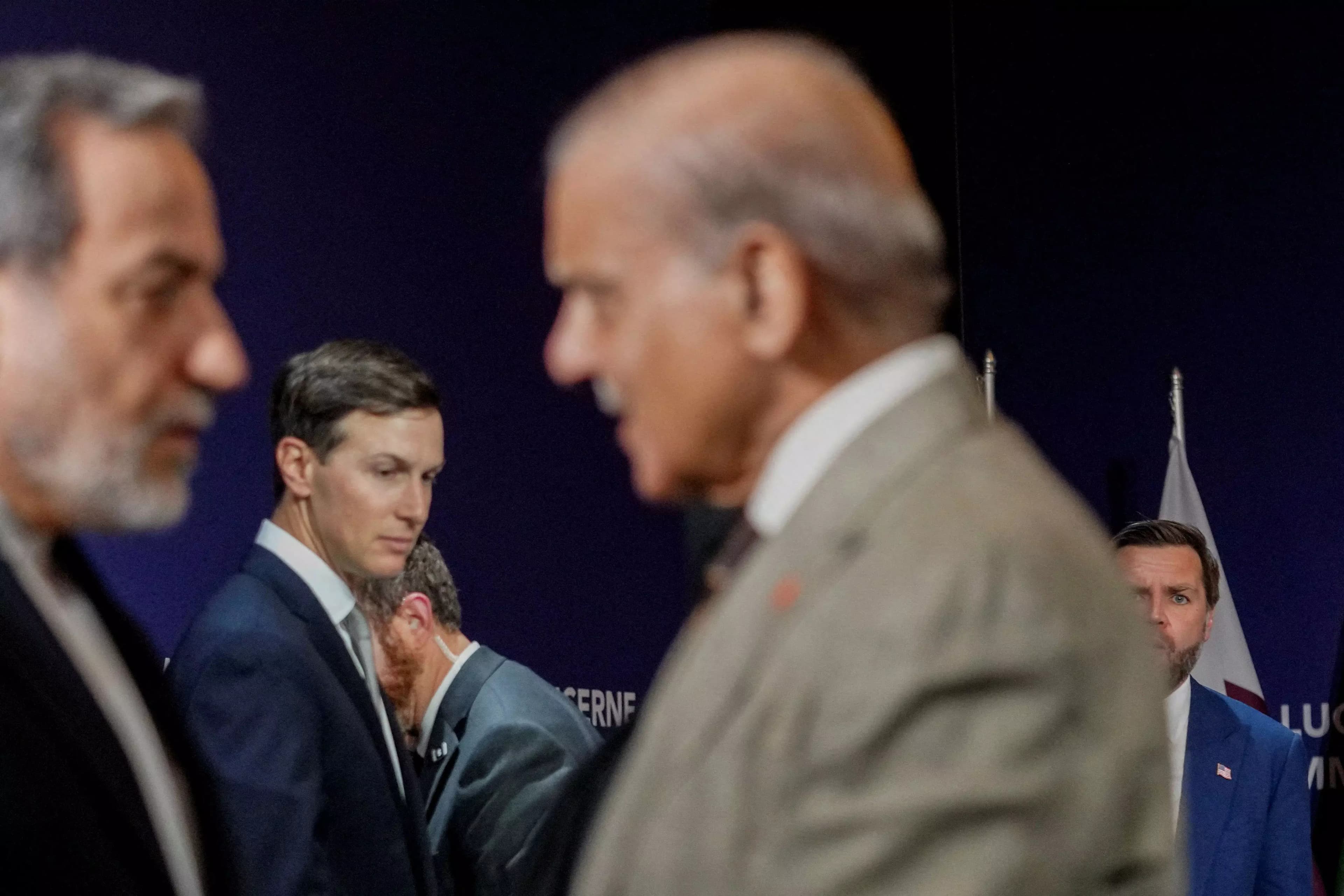
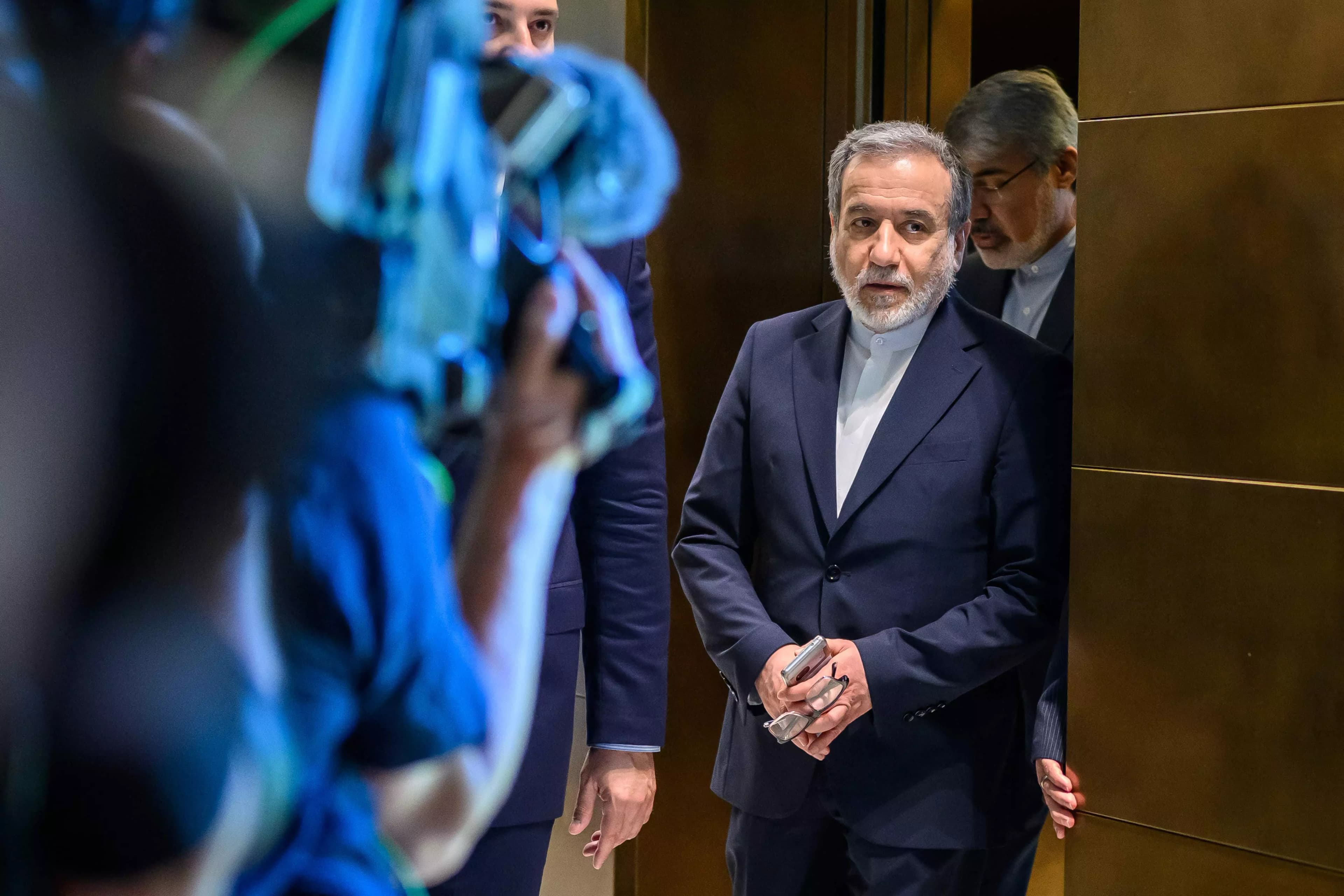
Following high-level discussions held at a mountain retreat in Switzerland, the United States has signaled progress toward a potential diplomatic resolution with Iran. U.S. Vice President J.D. Vance recently described the marathon direct negotiations as having established a robust foundation for future efforts aimed at reaching a final agreement between the two nations.
Establishing a Framework for Diplomacy
A primary outcome of these talks involves Iran granting permission for inspectors from the International Atomic Energy Agency (IAEA) to return to the country. This development is seen as a critical step in addressing long-standing international concerns regarding Tehran’s nuclear activities. In support of these diplomatic overtures, the U.S. administration, led by Treasury Secretary Scott Bessent, has announced a temporary suspension of specific sanctions. This pause will allow Iran to produce, sell, and distribute crude oil and related products through August 21.
The decision to relax these economic restrictions is tied to commitments made by Tehran to maintain free and open maritime transit through the strategically vital Strait of Hormuz. Furthermore, the negotiation sessions have focused on addressing complex issues, including Iran’s nuclear program, specifically regarding its enriched uranium stockpiles and enrichment rights. While progress was reported, the Iranian foreign ministry, through spokesman Esmaeil Baqaei, clarified that formal detailed negotiations on the nuclear file have yet to commence.
Roadmap Toward Stability and De-confliction
Mediators representing Pakistan and Qatar have facilitated the creation of a clear roadmap, aiming to reach a comprehensive final settlement within a 60-day timeframe. To maintain stability during this period, the involved parties have established a communication channel specifically designed to avoid incidents and misunderstandings in the Strait of Hormuz. Additionally, a specialized “de-confliction cell” has been formed in coordination with Lebanese authorities to prevent the resurgence of military hostilities in the region.
Despite these developments, the path ahead remains complicated. Regional stakeholders, including Israeli leadership, have voiced significant skepticism regarding the recent agreement, maintaining their position regarding military operations in southern Lebanon. The international community continues to monitor these technical talks closely as participants return to the negotiating table in Switzerland for the remainder of the week to refine the mechanisms of this fragile diplomatic framework.