Iran-US Talks Conclude in Switzerland with New 60-Day Peace Roadmap
Iran and the United States have concluded the first round of peace talks in Switzerland. The parties have agreed on a 60-day roadmap for a final deal, established a de-confliction cell for Lebanon, and implemented maritime security measures for the Strait of Hormuz.
Highlights
- •Iran and the US have agreed on a 60-day roadmap to reach a final peace deal.
- •A new de-confliction cell will monitor military operations within the Lebanese Republic.
- •A direct communication line has been established to ensure safe passage through the Strait of Hormuz.
- •The agreement includes commitments to lift specific sanctions and release previously frozen Iranian assets.
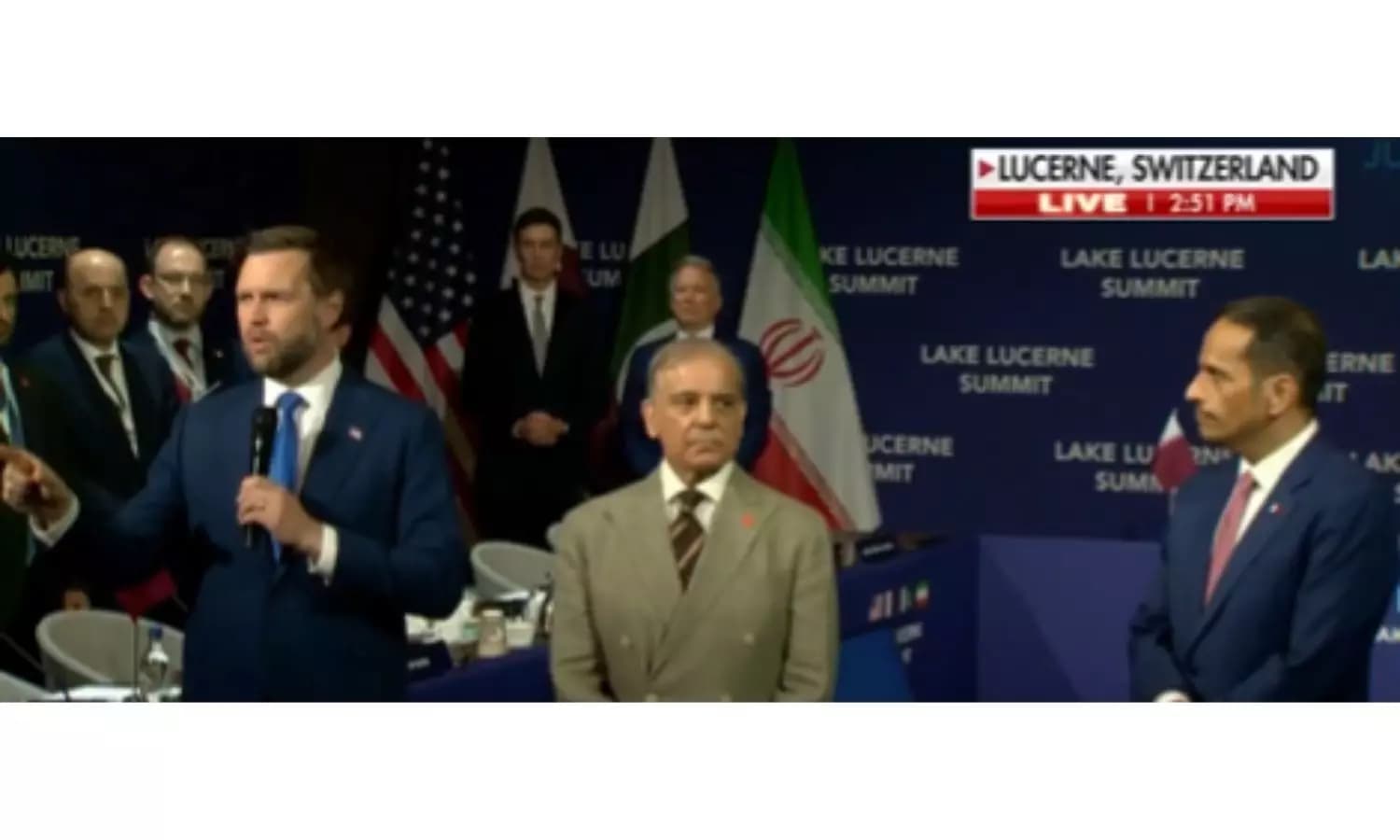
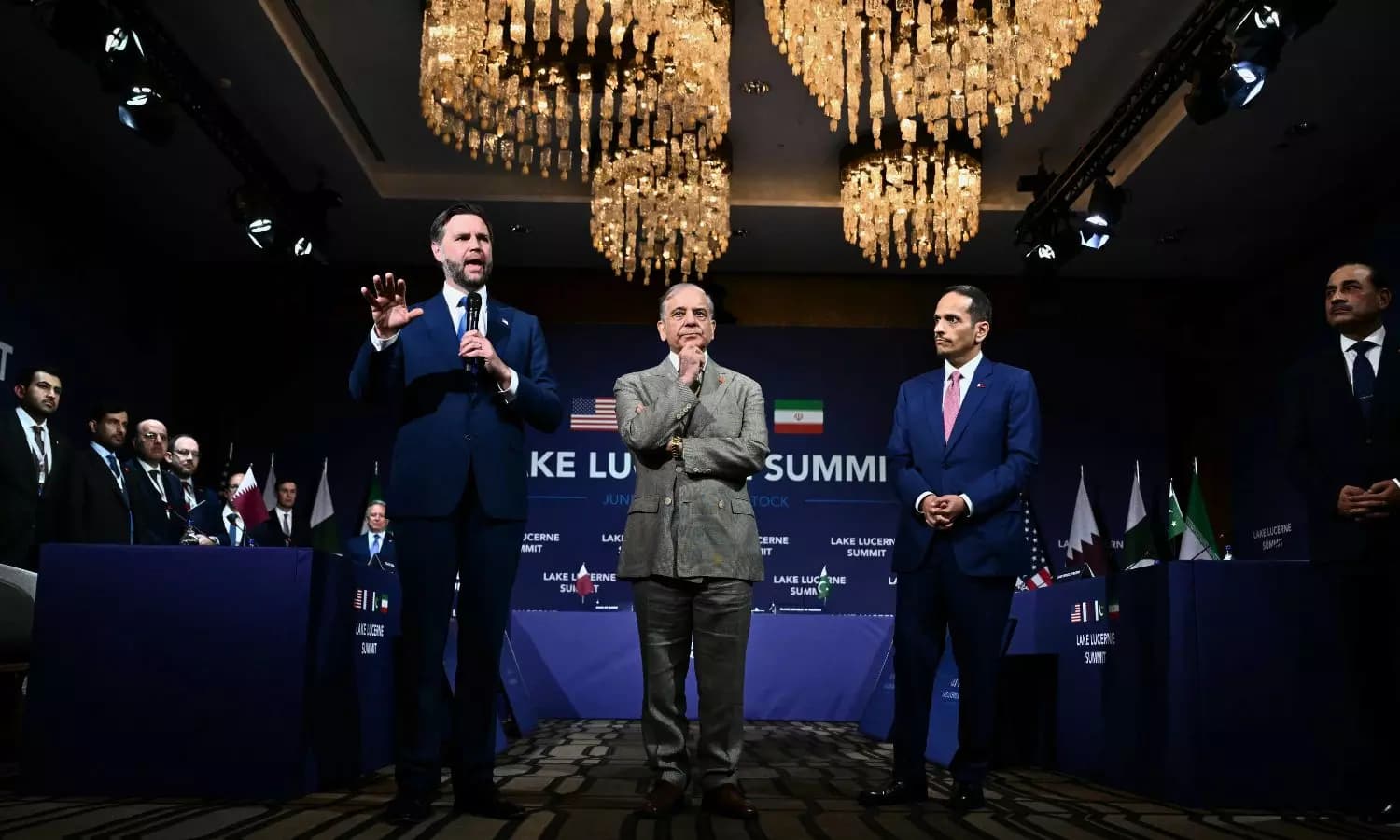
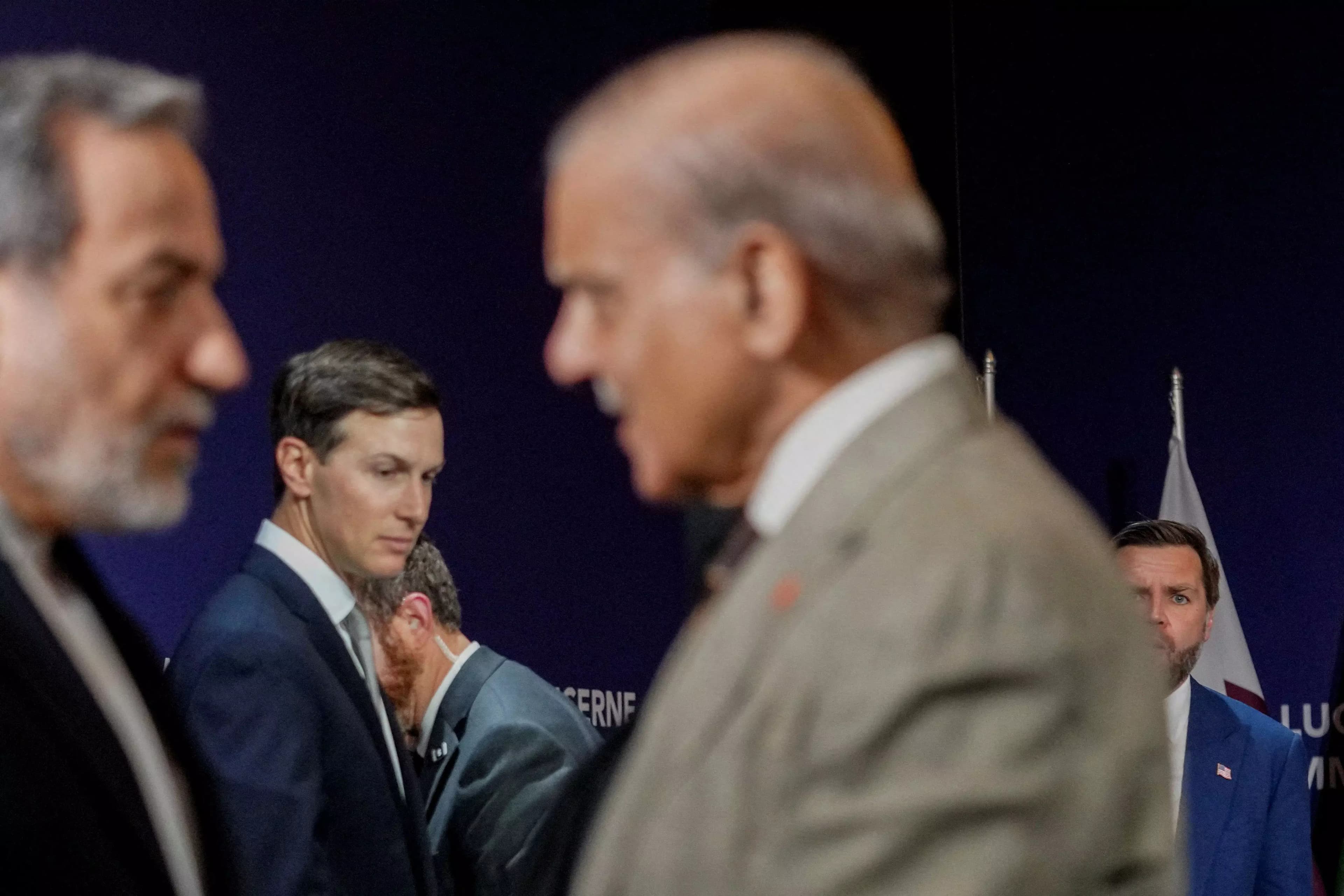
The first phase of high-stakes Iran-US talks regarding the cessation of hostilities in the Middle East has successfully concluded at the Burgenstock resort in Switzerland. This initial round of diplomatic engagement marks a significant development, with both nations preparing for continued technical discussions to build upon the progress made.
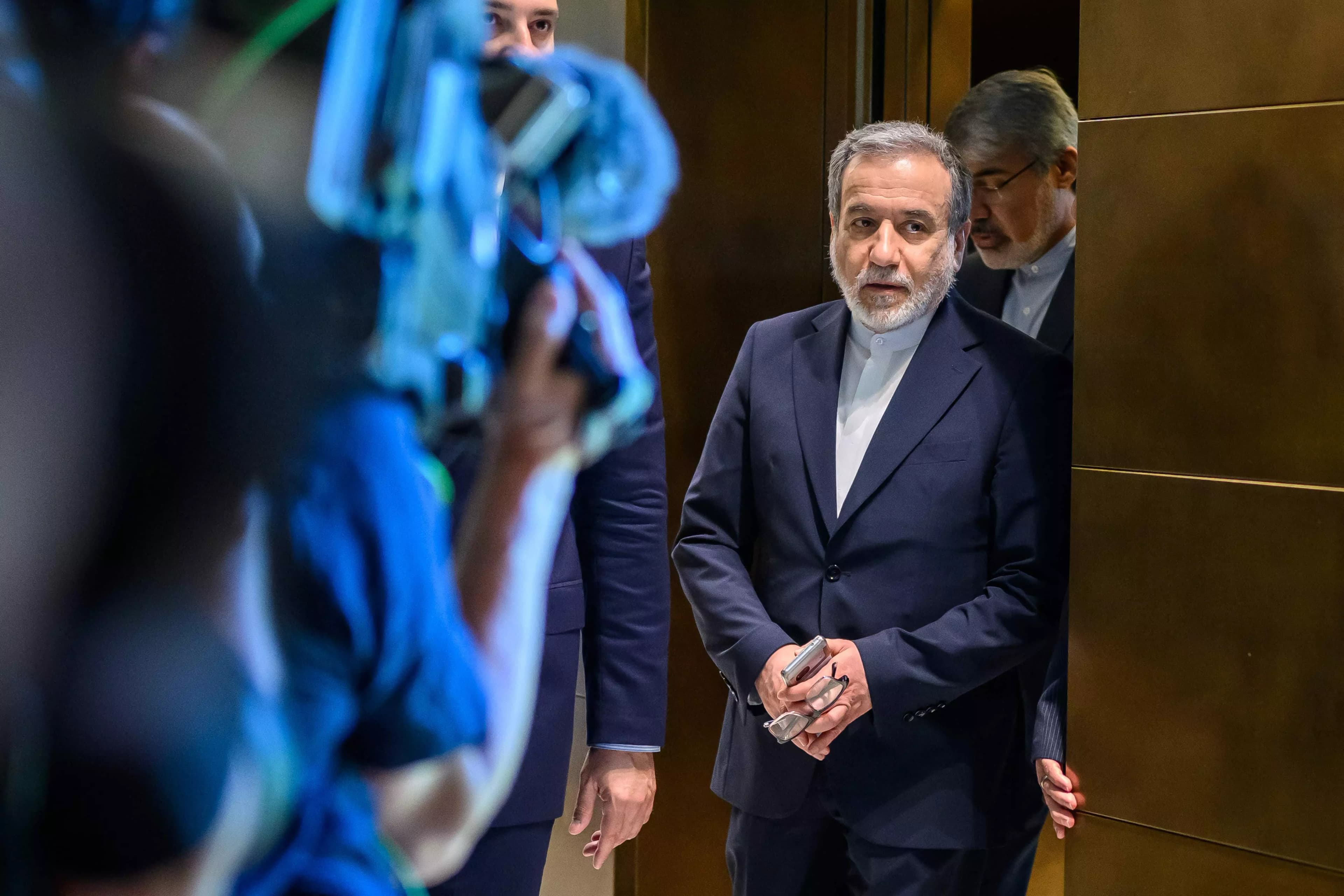
Iran's Foreign Minister Abbas Araghchi characterized the discussions as achieving significant advancement, facilitated by the efforts of Pakistan and Qatar serving as mediators. While official communications from the United States government are currently pending, the joint statement issued by the mediating parties outlines a structured path forward for the ongoing regional peace efforts.
Roadmap for Regional Stability
A primary outcome of these Iran-US talks is the establishment of a formal framework intended to reach a comprehensive agreement within 60 days. A High Level Committee, composed of representatives from Tehran and Washington, will oversee this process. Furthermore, to address the immediate security concerns in Lebanon, the involved parties have agreed to form a specialized de-confliction cell. This mechanism aims to ensure strict adherence to the cessation of military activities in the region, supported by the mediating nations and the Lebanese Republic.
The security of maritime trade routes also featured prominently during the proceedings. Both nations have instituted a dedicated communication line designed to prevent operational miscalculations and incidents. This initiative is particularly focused on ensuring the secure passage of commercial vessels through the Strait of Hormuz. The commitment to this communication line aligns with the 60-day memorandum of understanding, under which Iran has pledged to exert maximum efforts to safeguard merchant shipping.
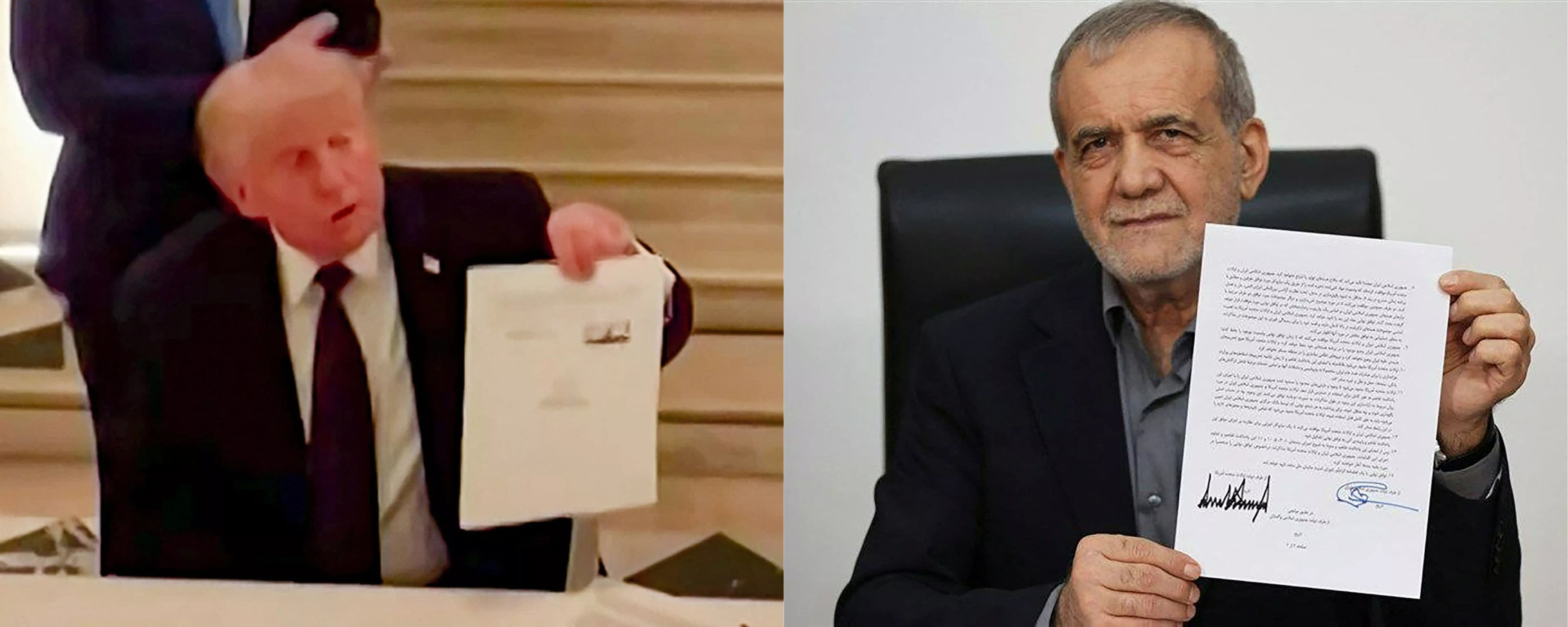
The negotiations have also touched upon significant economic shifts. Foreign Minister Araghchi noted the potential for lifted restrictions on energy exports and the release of previously frozen assets, alongside plans for large-scale reconstruction efforts. While the joint statement from Pakistan and Qatar did not explicitly detail the status of these financial assets, the underlying memorandum of understanding indicates a broader United States commitment to terminating various sanctions against Iran, aiming to provide full access to previously restricted funds.
As the technical discussions progress at the Burgenstock resort throughout the remainder of the week, the international community remains attentive. The ability of the de-confliction cell to maintain stability in Lebanon and the efficacy of the Strait of Hormuz communication line are viewed as critical tests for the durability of this emerging peace process.