Iran Reports Major Progress in Talks to End Lebanon War Following US Engagement
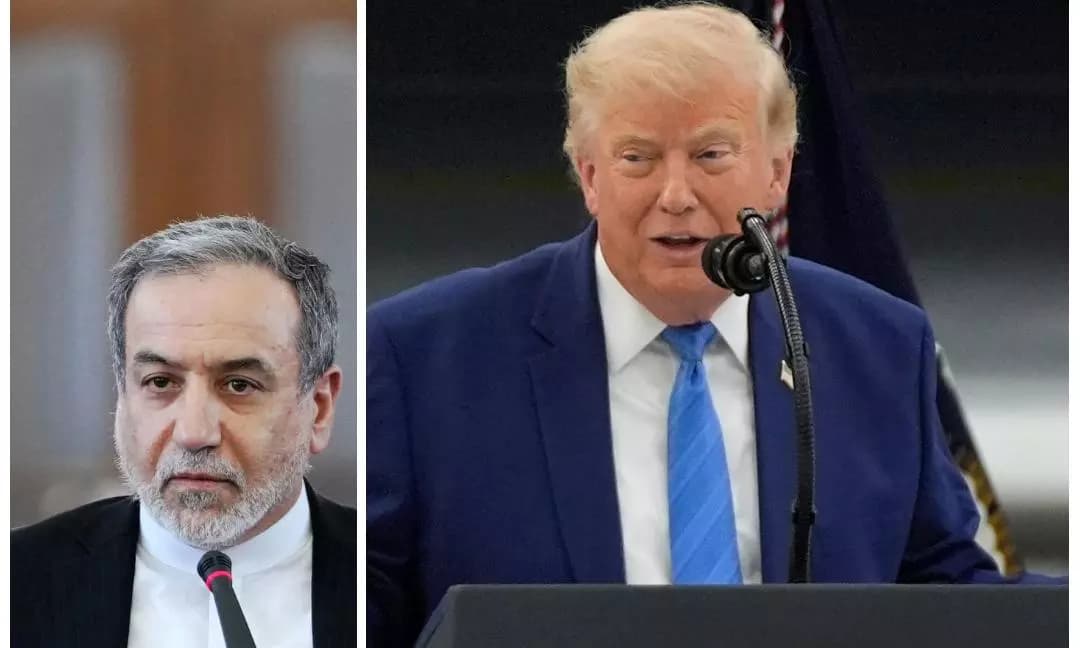
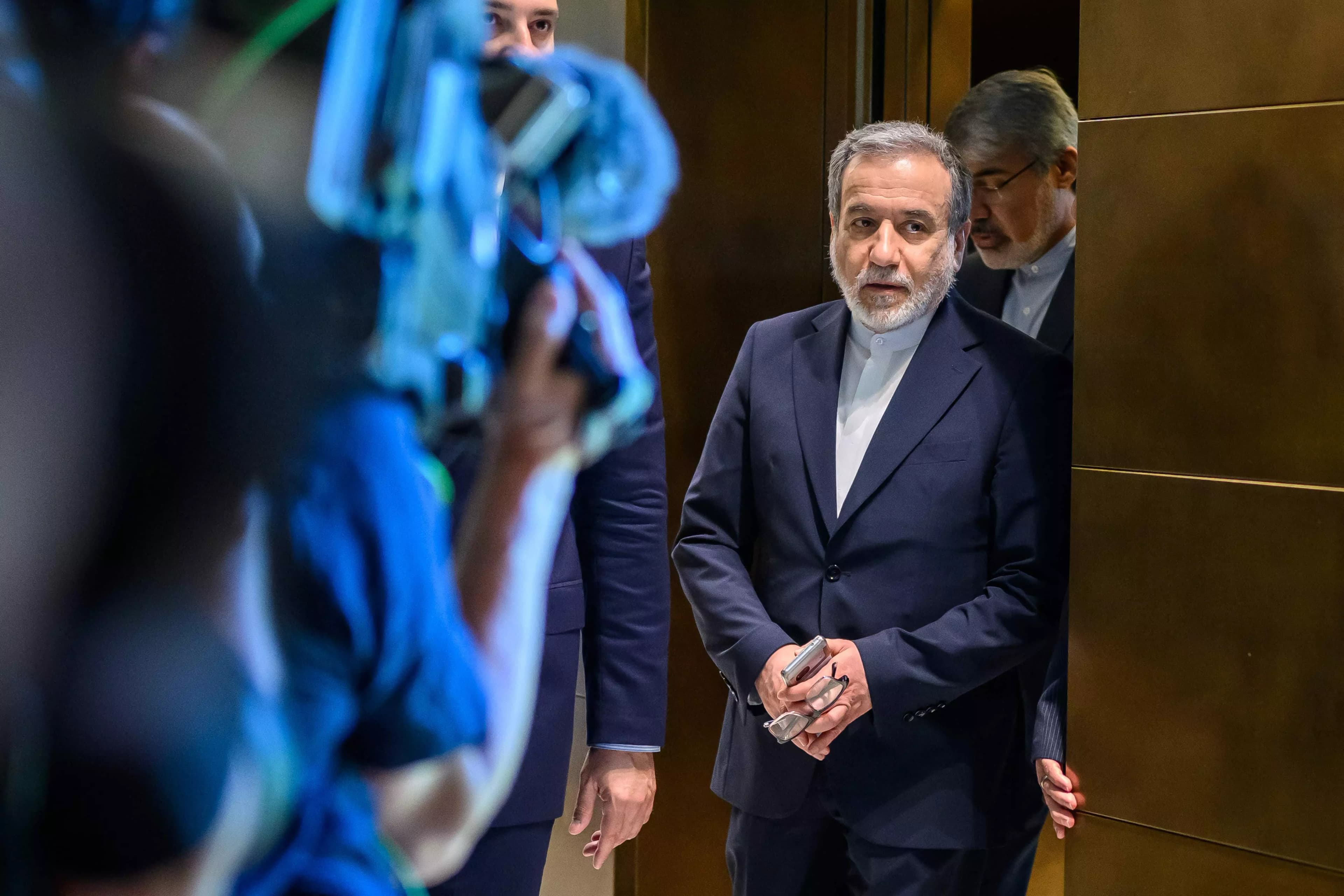
Iranian Foreign Minister Seyed Abbas Araghchi announced major progress in technical talks with the US, mediated by Qatar and Pakistan, to end the Lebanon War. The discussions yielded sanctions relief for Iran and established a 60-day roadmap toward a final, lasting agreement.
Highlights
- •Major progress reported in Iran-US technical talks regarding the Lebanon War.
- •Mediators secured waivers for Iranian oil/petrochem exports and port blockades.
- •A roadmap for a final agreement has been established within a 60-day window.
- •A de-confliction cell will be created to ensure military cessation in Lebanon.
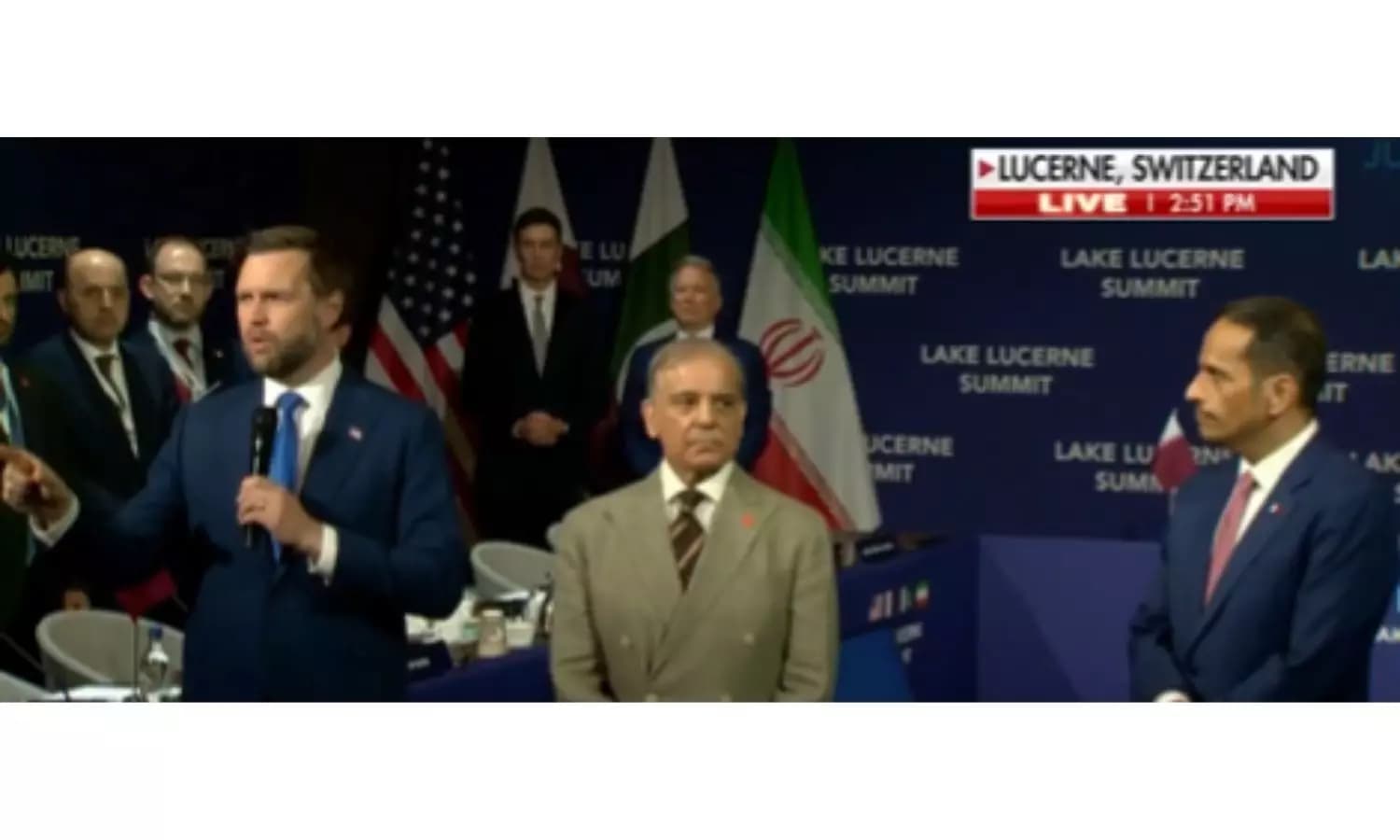
Significant diplomatic strides have been made in the effort to end the Lebanon War, according to recent statements from the Iranian government. During the initial technical discussions held under the framework of a 14-point Memorandum of Understanding (MoU), Iranian Foreign Minister Seyed Abbas Araghchi reported that notable progress was achieved between Iran and the United States.
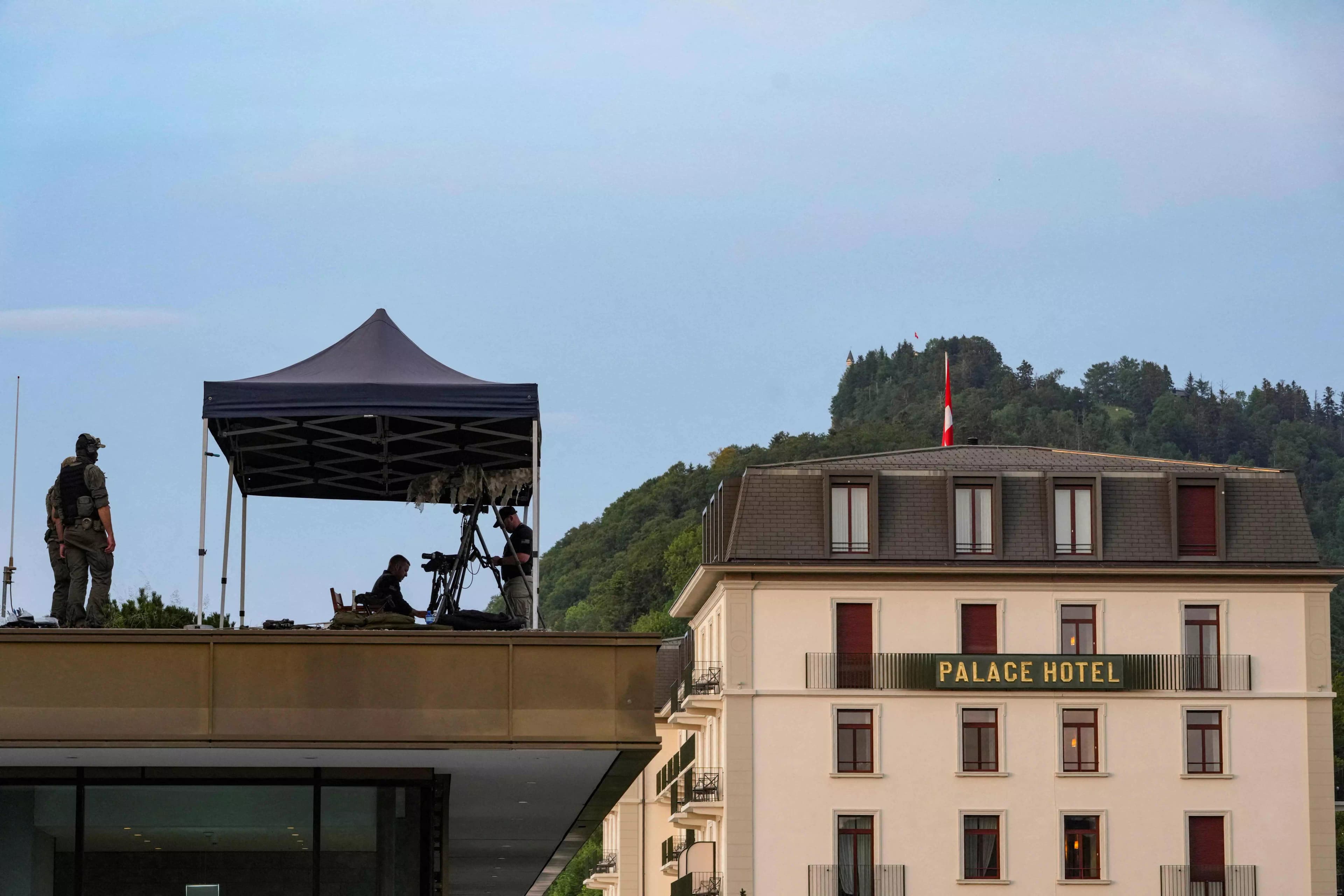
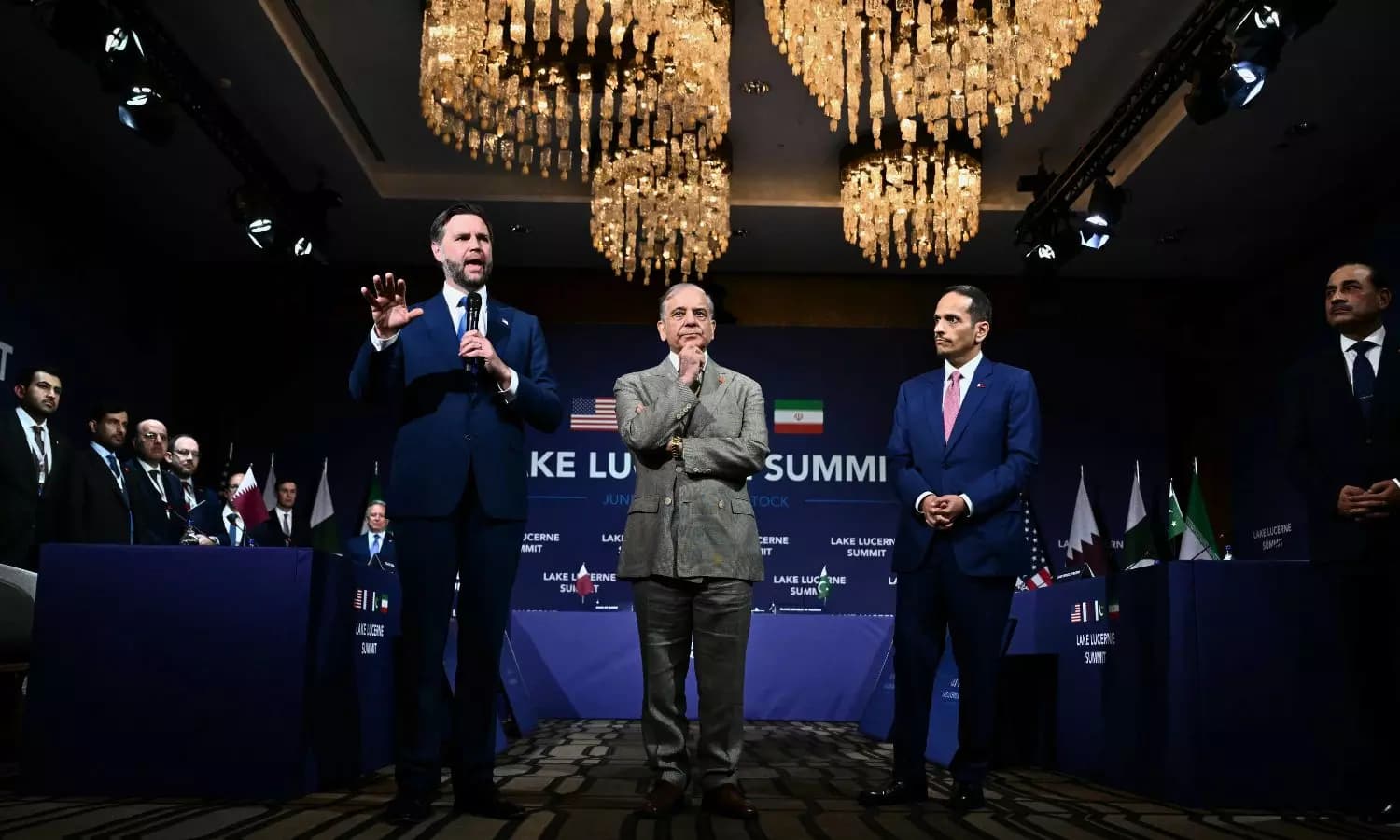
The negotiations, which were facilitated through the mediation efforts of Pakistan and Qatar, took place during the recent summit at the Bürgenstock resort in Switzerland. These talks have centered on resolving long-standing tensions, with the primary objective being the cessation of military operations in Lebanon, which officials have labeled the first real test of this diplomatic process.
Progress in US-Iran Mediation Talks
The outcome of these technical meetings has led to several immediate concessions. According to Seyed Abbas Araghchi, the discussions successfully secured the lifting of the United States blockade on Iranian ports, along with the waiver of restrictions on Iranian oil and petrochemical exports. Furthermore, the dialogue addressed the release of frozen Iranian financial assets and outlined a comprehensive development and reconstruction plan for the country.
The international mediators have established a roadmap intended to reach a final, comprehensive agreement within a 60-day timeframe. To maintain stability during this period, the involved parties have agreed to implement a direct communication channel. This line is specifically designed to mitigate the risk of miscommunication and prevent incidents, ensuring the secure transit of commercial vessels through the critical Strait of Hormuz.
Establishing De-confliction Mechanisms
A key development resulting from the summit is the creation of a High-Level Committee, which will provide ongoing political oversight for the mediation process. This committee will receive regular updates from chief negotiators who are currently leading specialized working groups. These groups are tasked with addressing complex issues such as nuclear policy, remaining sanctions, and robust monitoring frameworks to ensure the faithful execution of the MoU.
Perhaps most importantly, a dedicated de-confliction cell is being established to monitor the cessation of military hostilities. By involving both the negotiating nations and Lebanon under the supervision of the mediators, this cell aims to ensure full compliance with the agreed-upon terms. As technical discussions continue throughout the week in Switzerland, both Washington and Tehran have expressed a renewed commitment to diplomacy, aiming for a peaceful resolution to the ongoing regional crisis. The mediators have lauded this constructive atmosphere, noting that the groundwork has been laid for sustained stability and future progress in West Asia.