Assessing the Fragility of the New US-Iran Peace Deal and Regional Stability
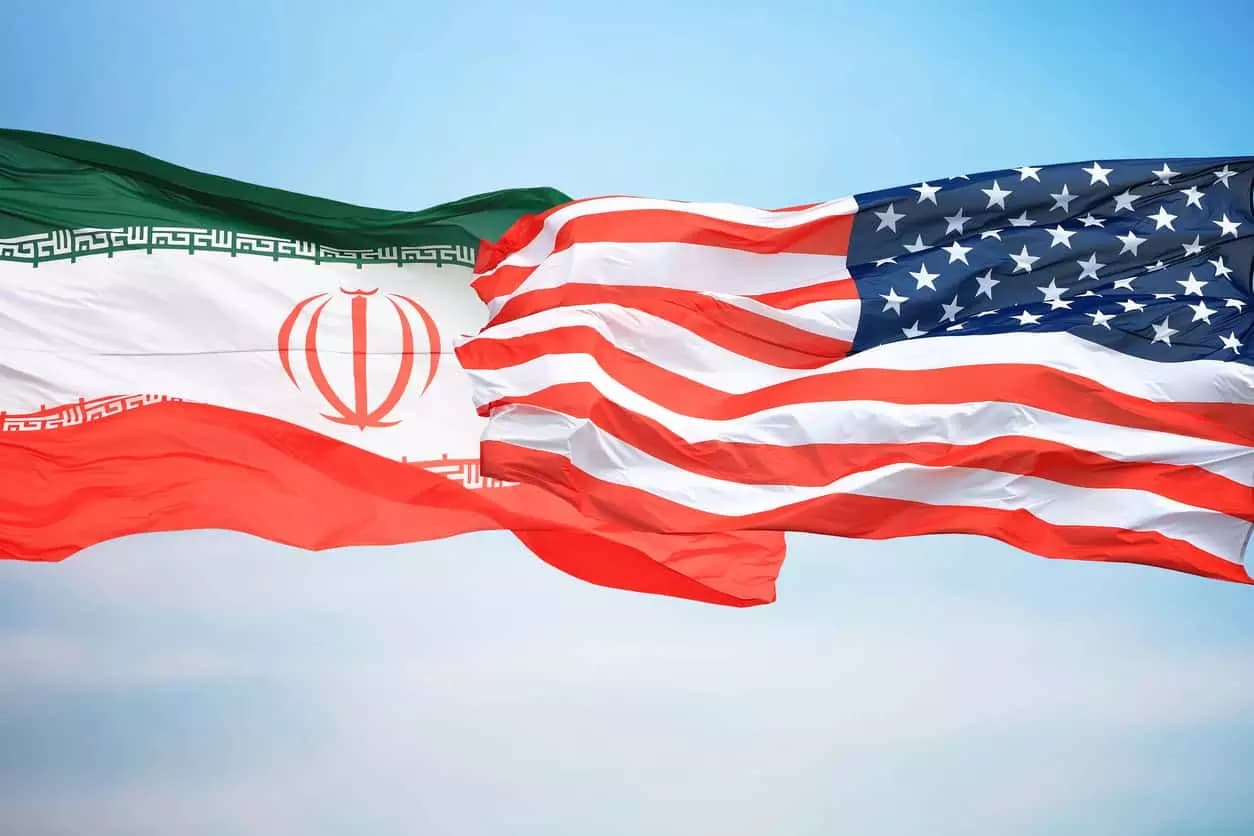
The US-Iran memorandum of understanding represents a fragile diplomatic pause rather than a lasting peace. Persistent regional tensions, mismatched strategic goals, and unresolved core issues suggest that the path toward long-term stability in the Middle East remains fraught with difficulty.
Highlights
- •The US-Iran MoU, signed on June 17, aims to pause hostilities and address regional tensions.
- •Diplomatic progress faces threats from renewed military rhetoric and ongoing regional security complications.
- •Israel's distinct strategic objectives remain a source of friction for the US-led diplomatic framework.
- •The agreement is viewed as a temporary holding pattern rather than a comprehensive long-term settlement.
The recently signed US-Iran memorandum of understanding (MoU), finalized on June 17 following the G7 summit, was initially presented as a significant diplomatic breakthrough. By addressing the status of the Strait of Hormuz, providing for sanctions relief, and initiating a 60-day negotiation window, the agreement offered a potential path toward de-escalating a conflict that has long threatened regional stability and the global economy. However, the fragility of the US-Iran peace deal was quickly underscored by subsequent events.
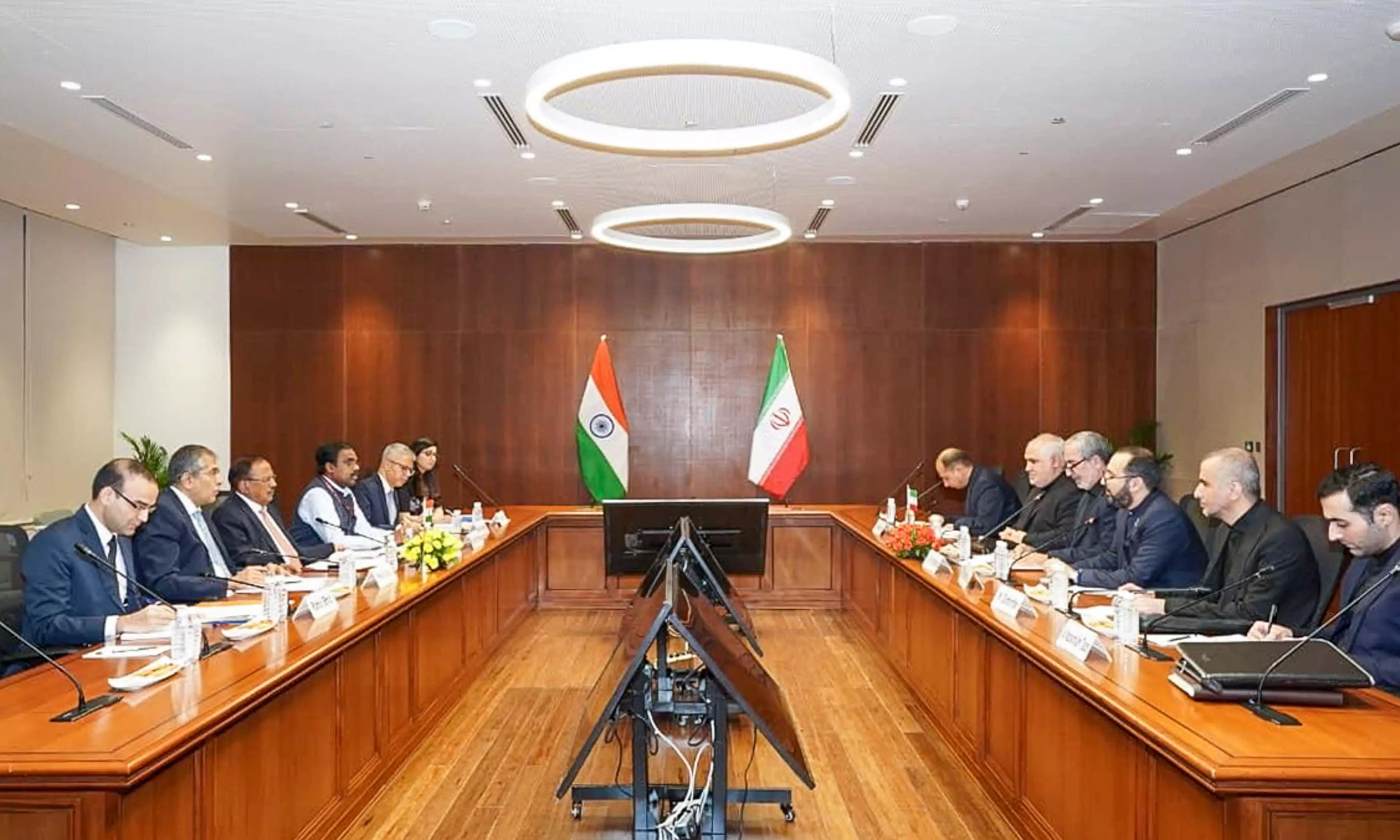
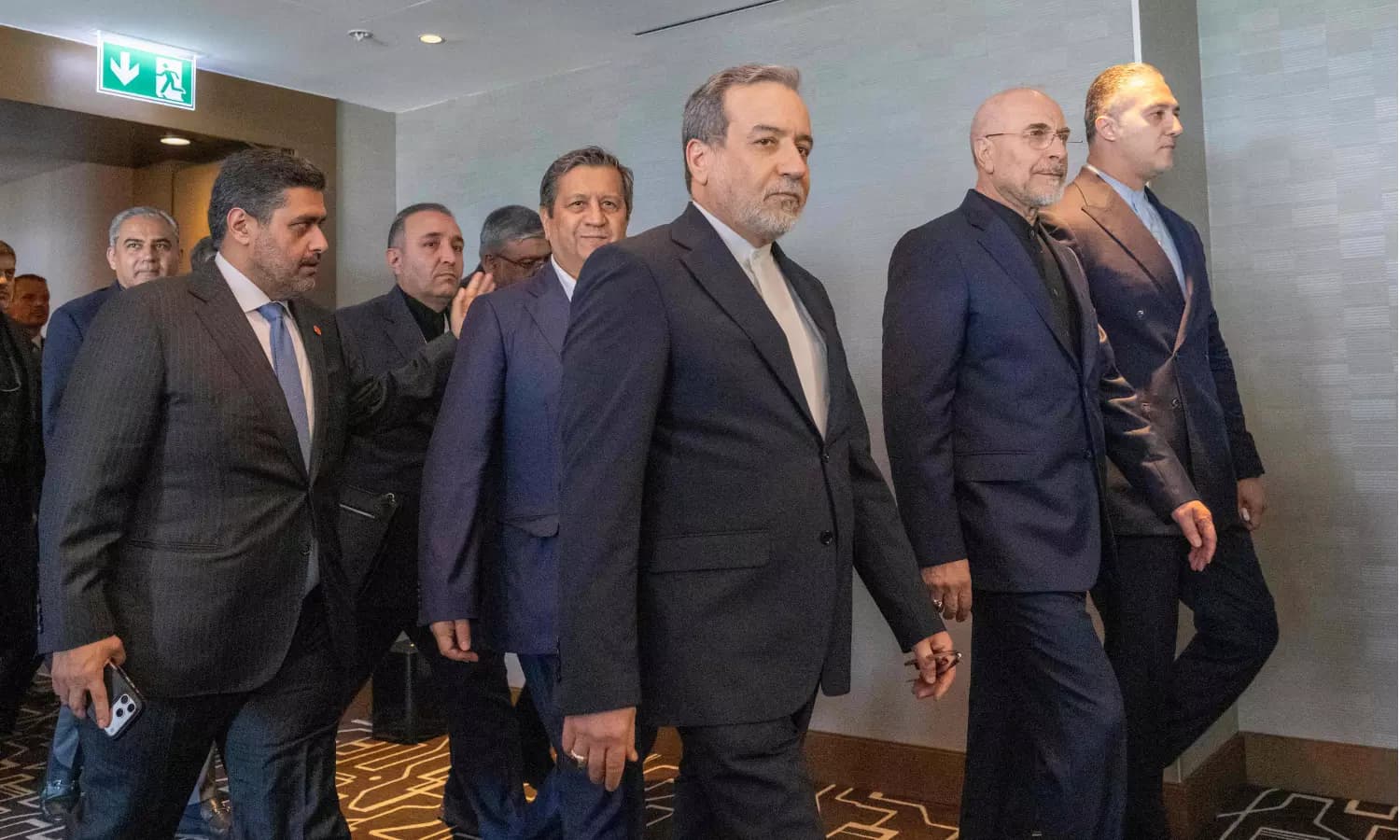
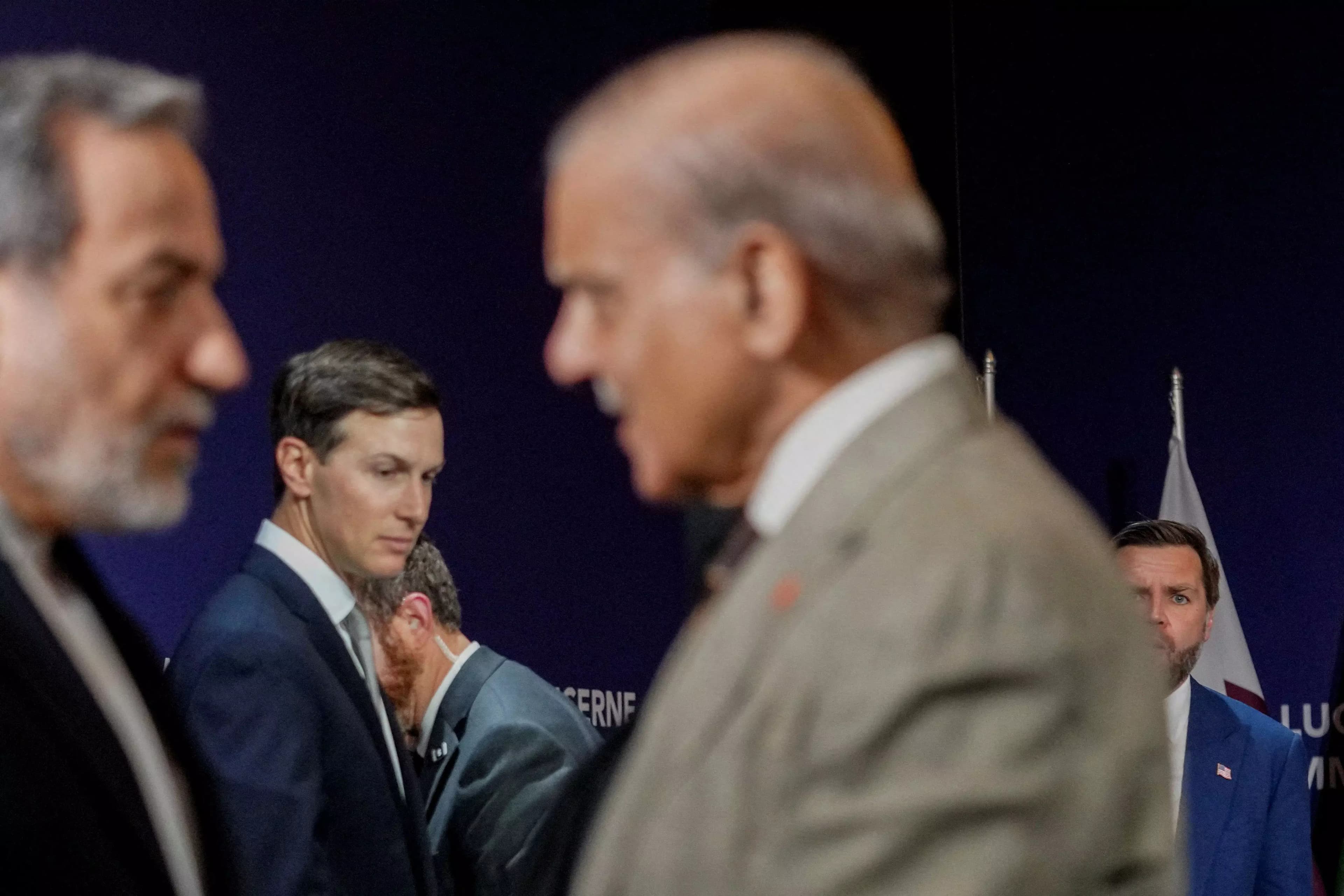
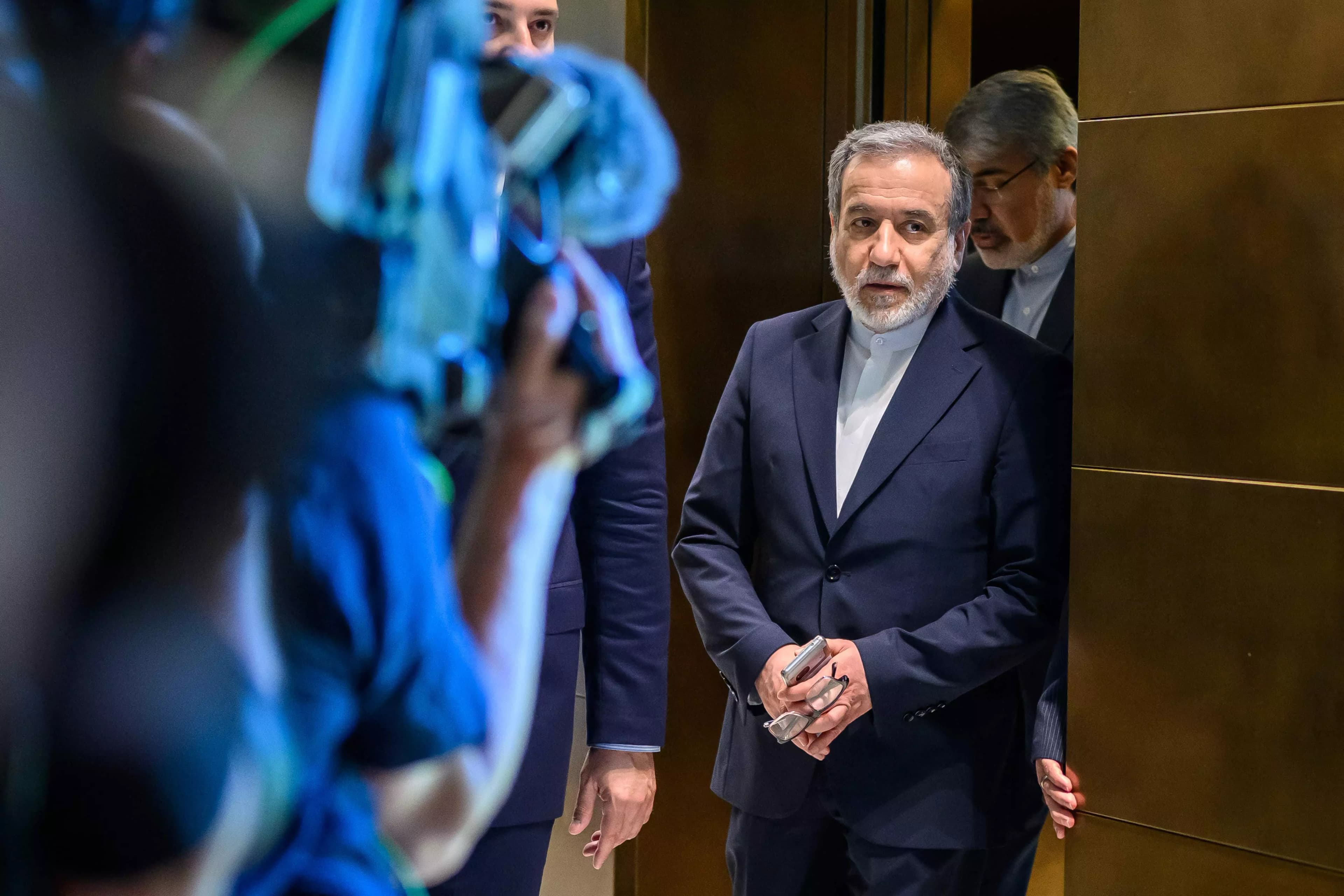
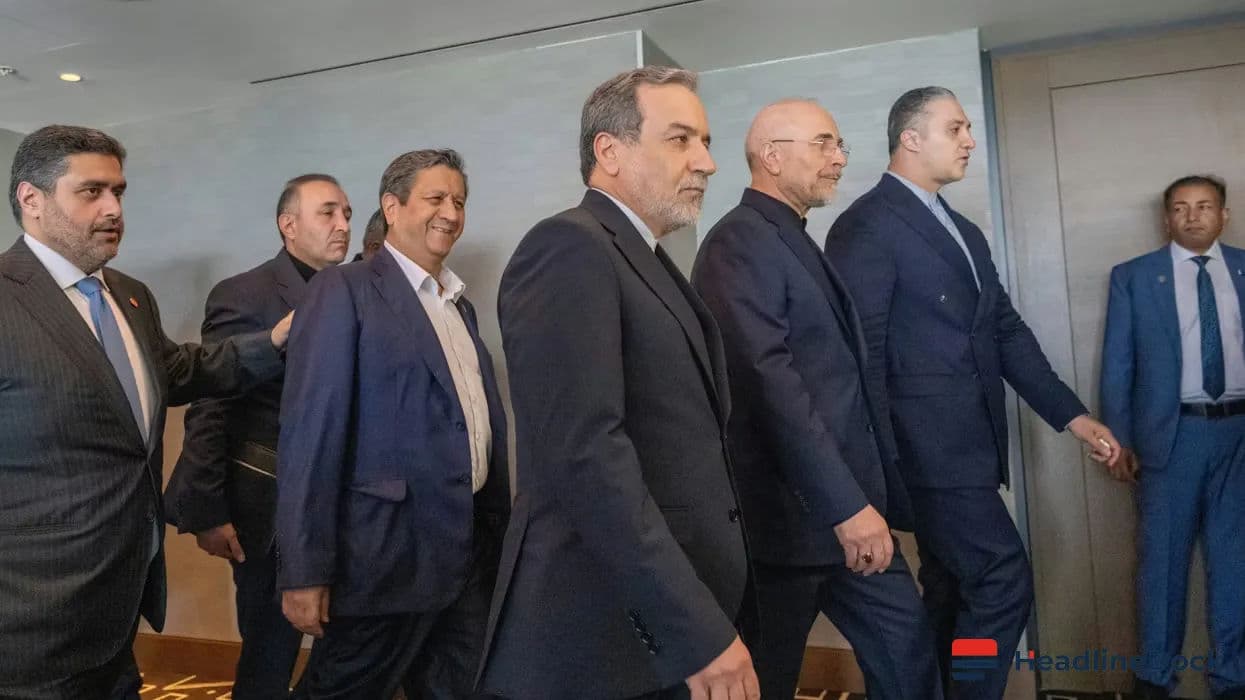
While negotiators in Switzerland reported initial progress, the process remains under immense pressure. Recent threats of military action from US President Donald Trump, alongside concerns regarding the safety of Iranian negotiators, have fueled fears that the diplomatic framework could collapse entirely. Furthermore, the operational status of the Strait of Hormuz remains uncertain, casting doubt on one of the few tangible gains from the agreement. At present, the MoU serves more as a temporary pause in hostilities rather than a permanent settlement, leaving core issues between the United States, Iran, and Israel largely unresolved.
Challenges to the US-Iran Peace Deal and Regional Stability
Israel remains a critical factor in this geopolitical equation. Although not a party to the memorandum, Israel is deeply impacted by its terms. The nation’s ongoing military actions in Lebanon have the potential to undermine diplomatic efforts, creating a situation where strategic priorities in Jerusalem and Washington appear increasingly misaligned. The most probable outcome of this tension is a return to grey-zone conflict—a state characterized by proxy warfare, cyber operations, and economic coercion rather than direct, large-scale military engagement.
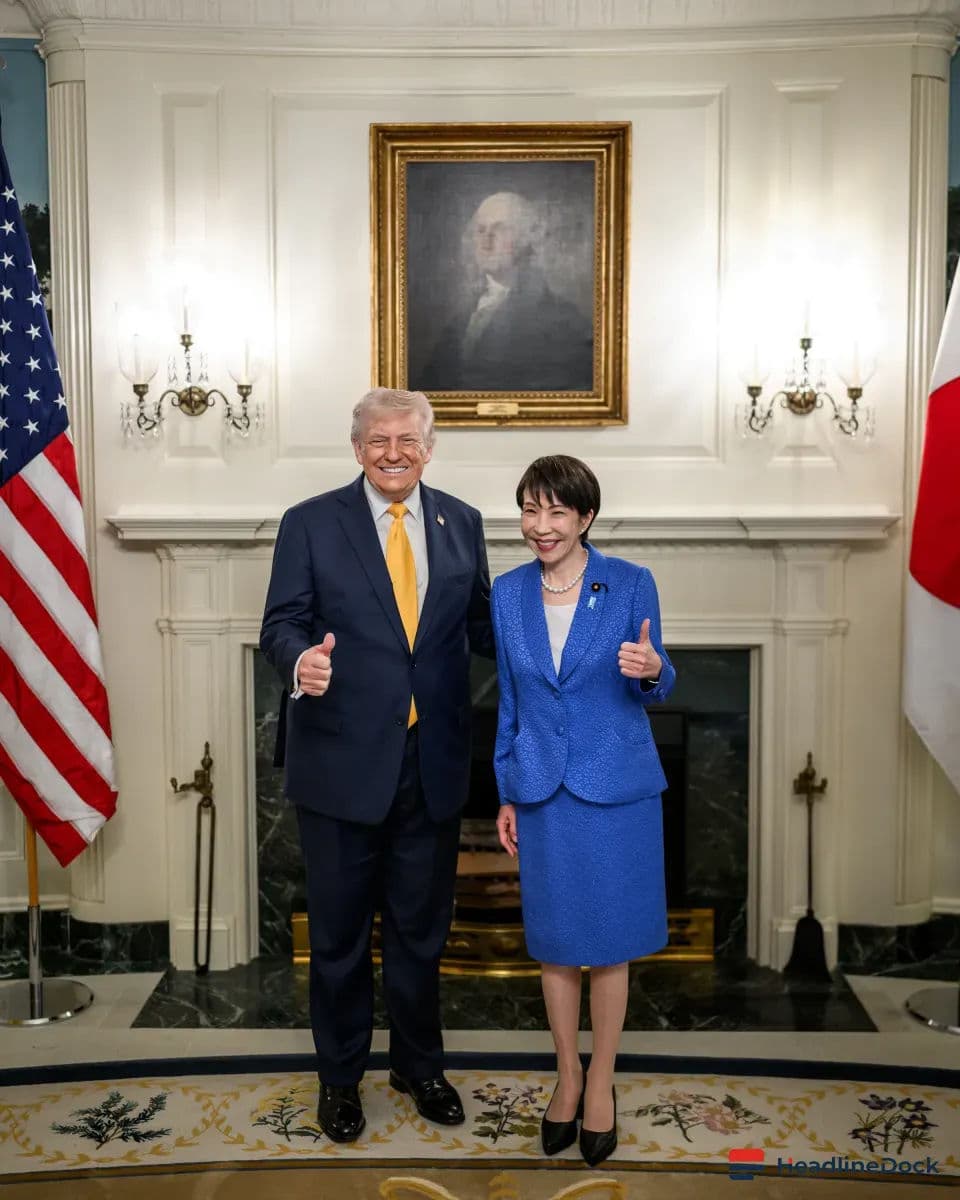
For the United States, the confrontation has proven costly, with expenditures exceeding US$132 billion. The crisis has highlighted the limitations of military coercion in achieving decisive political outcomes, as seen in the endurance of the current Iranian regime. Conversely, Iran appears to have utilized the period of conflict to reinforce its strategic position, continuing to project influence through regional networks. As Vice-President J.D. Vance noted during a White House briefing on June 19, the administration continues to navigate a complex path, asserting US sympathy for Israel while pursuing a diplomatic holding pattern in the region.
Ultimately, the memorandum represents a stabilization effort rather than a comprehensive peace agreement. With deep-seated issues—such as nuclear enrichment, missile capabilities, and regional proxy networks—still unaddressed, the likelihood of a total resolution within the 60-day window remains low. The regional landscape will likely continue to oscillate between periods of managed tension and necessary accommodation.