US-Iran Technical Talks Open in Switzerland to Address Regional Stability and Nuclear Deal
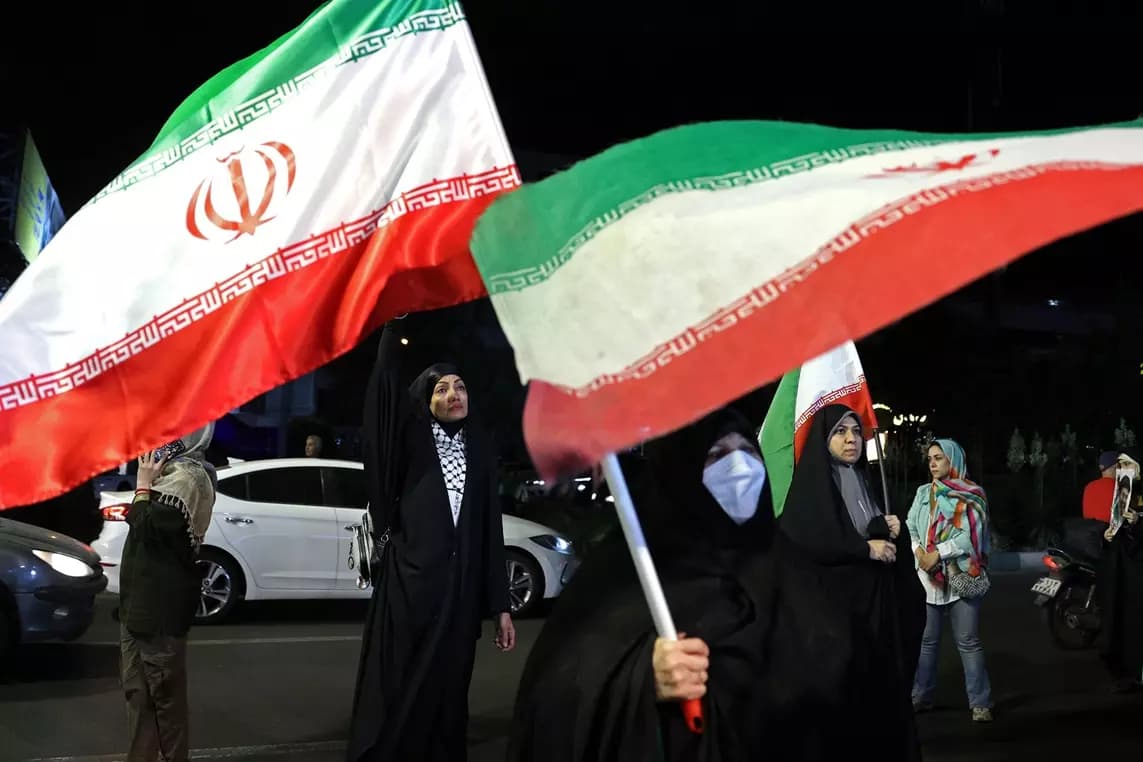
The first round of US-Iran technical talks in Switzerland has commenced, focusing on maintaining a ceasefire in Lebanon, securing the Strait of Hormuz, and advancing a potential nuclear agreement. The diplomatic efforts, mediated by Pakistan and Qatar, aim to build trust and stabilize the West Asian region.
Highlights
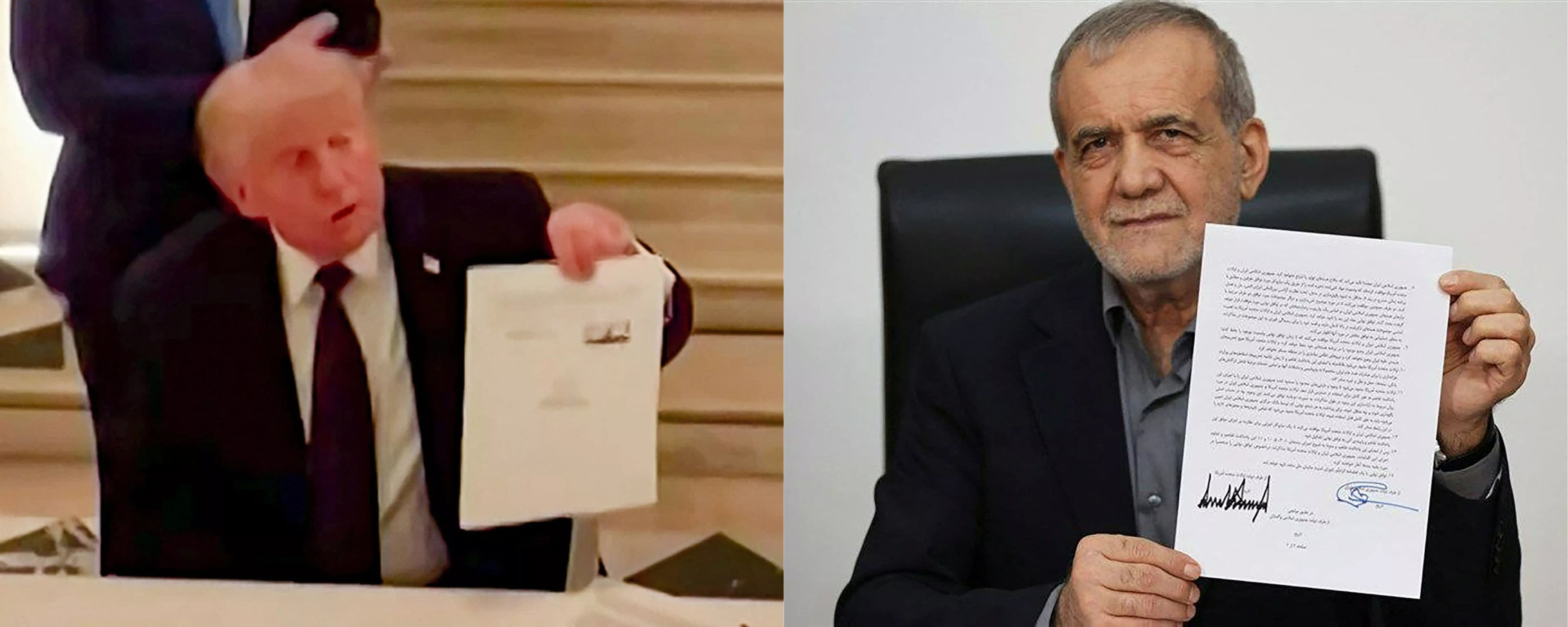
- •Initial US-Iran technical talks held in Switzerland focus on the 14-point Memorandum of Understanding.
- •Discussions prioritize enforcing a ceasefire in Lebanon and ensuring the Strait of Hormuz remains open for trade.
- •Delegations are actively working on a framework for a potential nuclear agreement between Washington and Tehran.
- •Mediated by Pakistan and Qatar, the talks involve high-level meetings including US Vice President JD Vance.
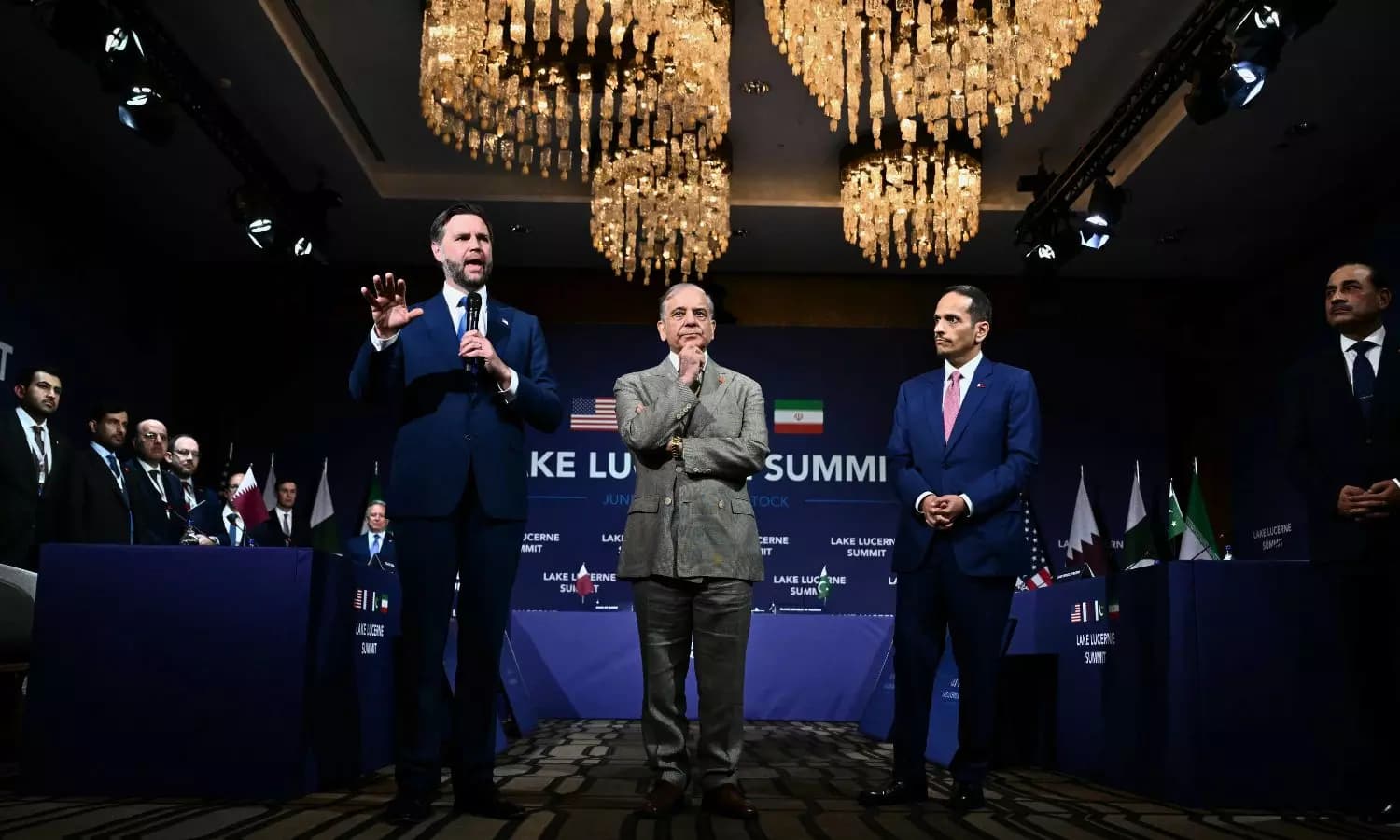
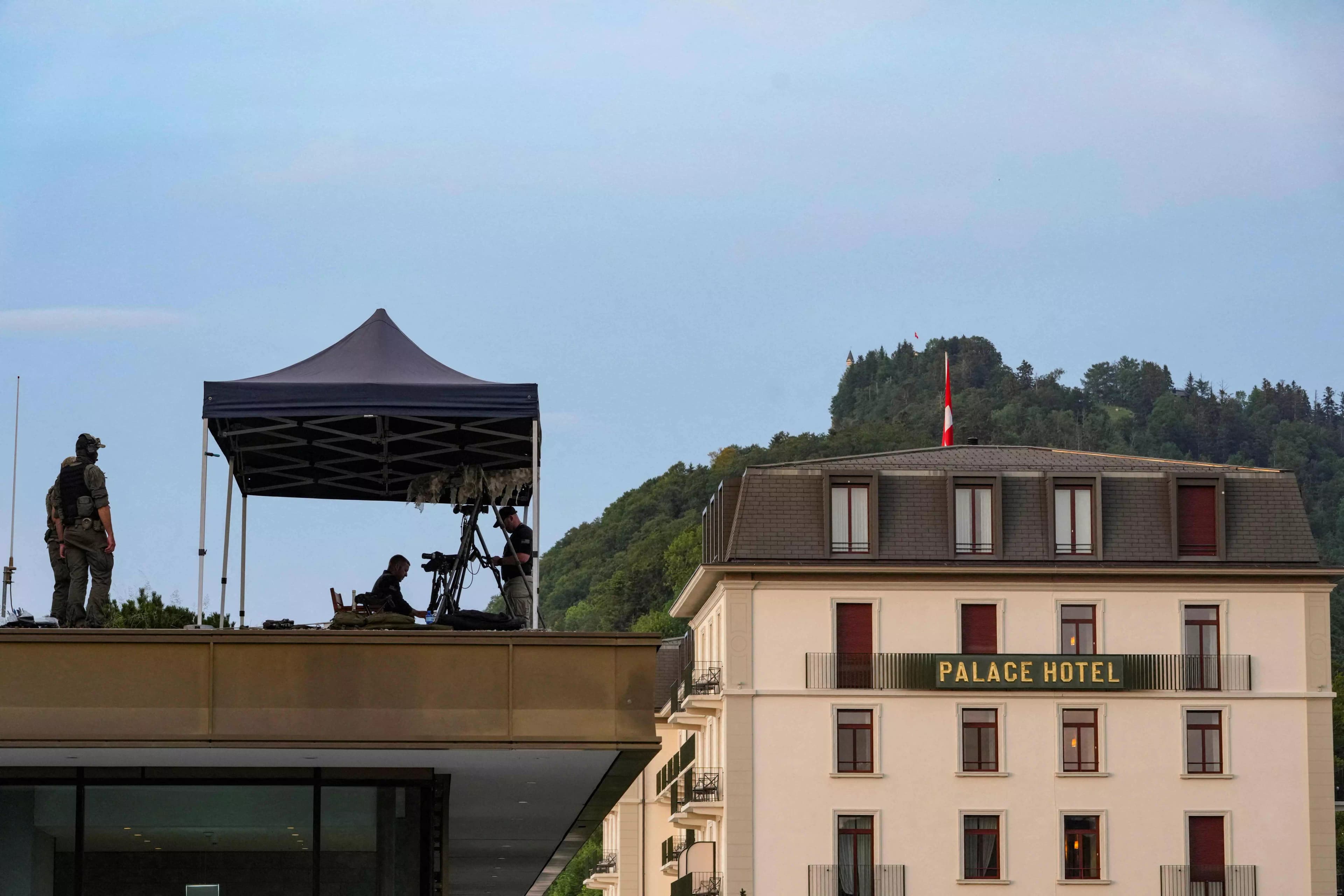
The initial phase of critical US-Iran technical talks has commenced in Bürgenstock, Switzerland, marking a significant attempt to stabilize tensions across West Asia. This diplomatic initiative, conducted under a 14-point Memorandum of Understanding (MoU), addresses several pressing geopolitical challenges, including the ongoing crisis in Lebanon, security within the Strait of Hormuz, and potential progress toward a new nuclear agreement.
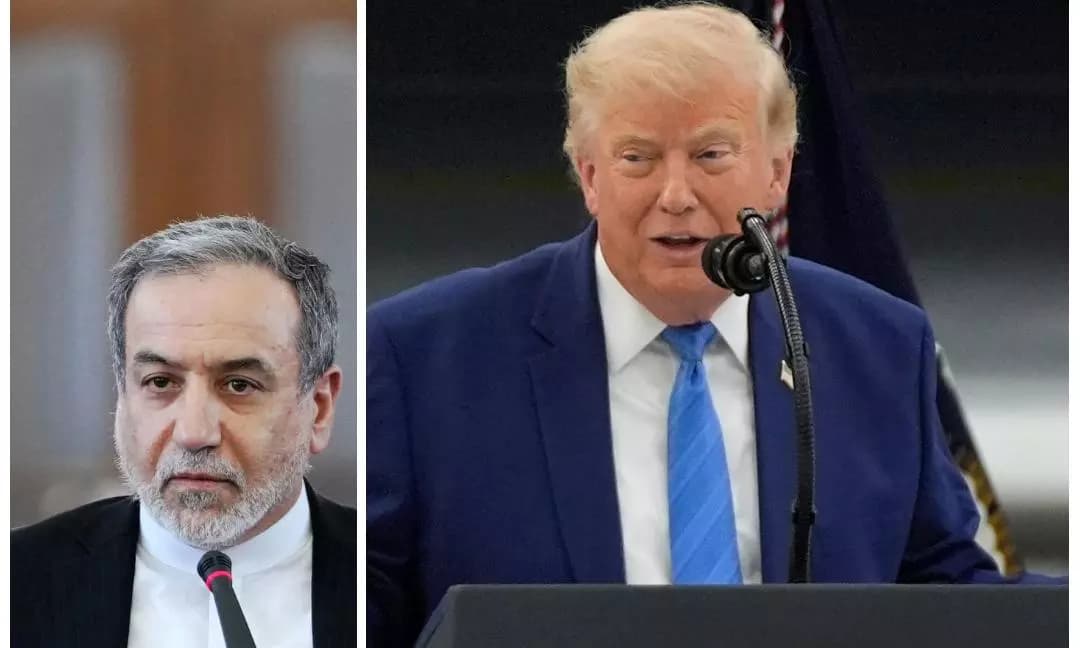
Delegations began these high-stakes discussions on Sunday, utilizing various formats to deliberate on the implementation of the 14-point MoU. A primary focus of the meeting was the conflict in Lebanon, where negotiators are striving to establish effective "deconfliction mechanisms." These efforts are designed to enforce a sustainable ceasefire and curtail the impact of ongoing military engagements in the region.
Addressing Regional Security and Nuclear Diplomatic Frameworks
Another major pillar of the US-Iran technical talks concerns the security of the Strait of Hormuz. As a vital international shipping lane, its status has been a subject of concern following recent rhetoric regarding potential closures. Representatives emphasized the necessity of keeping this waterway fully accessible for global trade, with officials reporting constructive progress in ensuring its continued operation.
Furthermore, the delegations initiated a comprehensive examination of a prospective nuclear agreement between Washington and Tehran. These discussions were intended to align both parties on key objectives outlined in the recently signed MoU. By addressing implementation issues, the representatives hope to create a roadmap for long-term cooperation and stability.
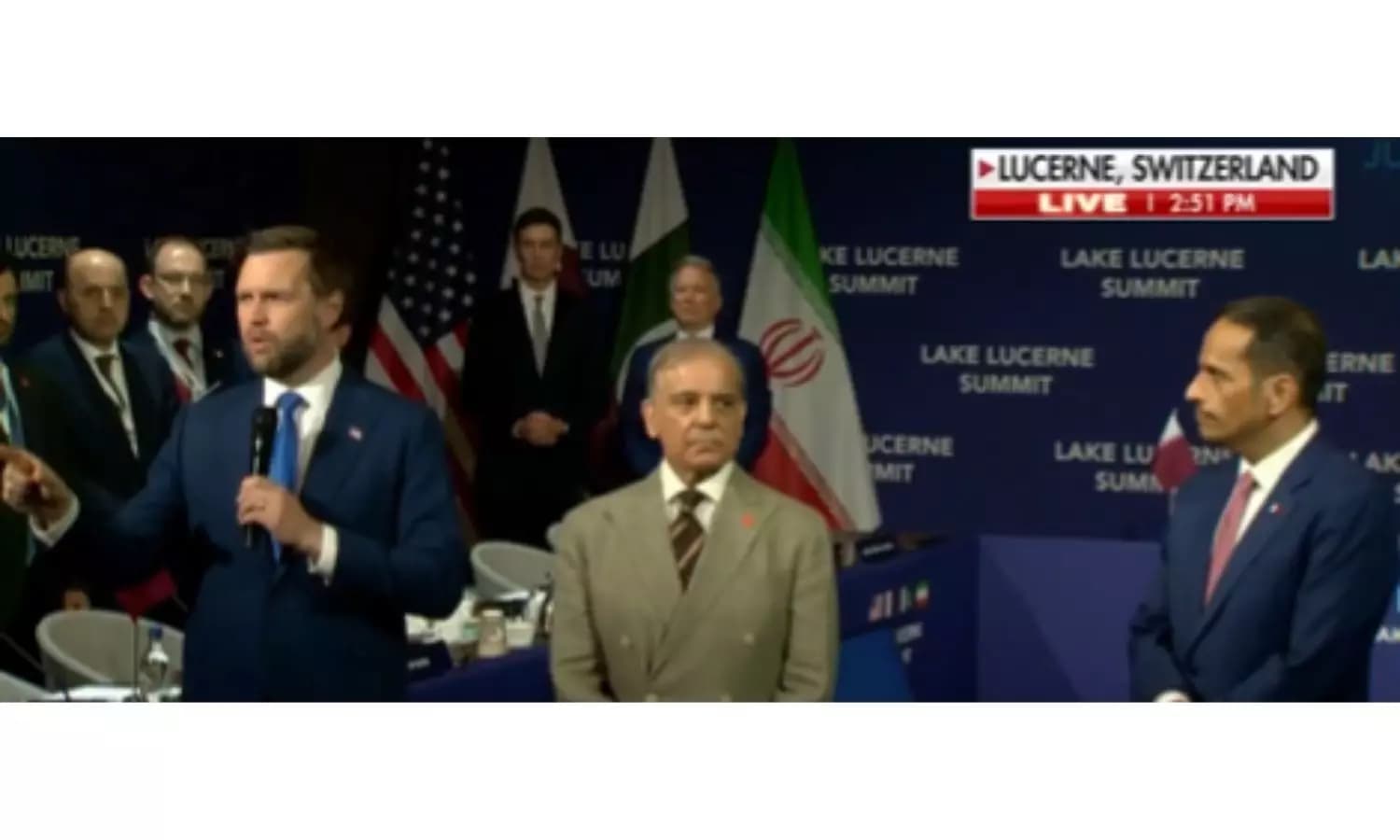
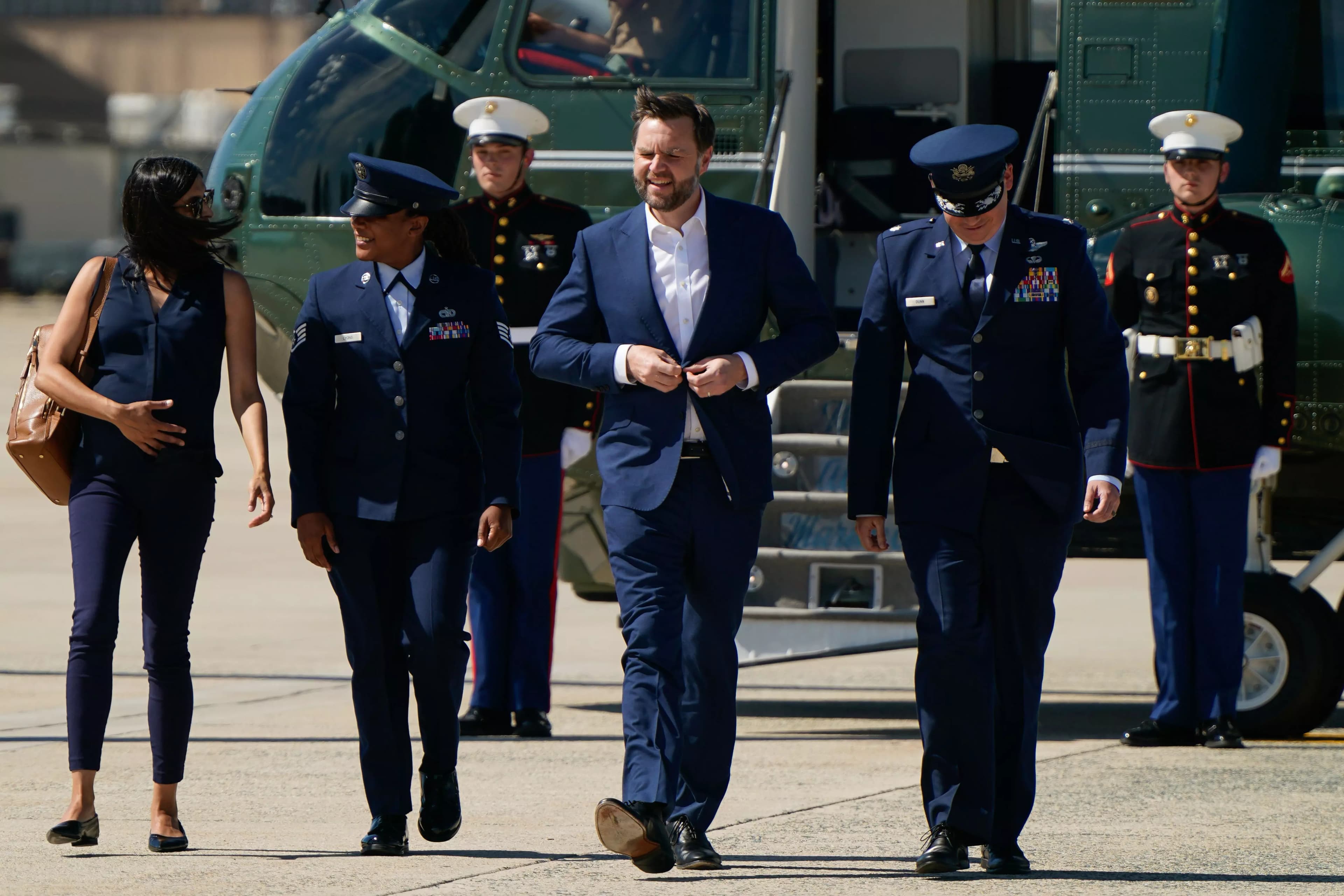
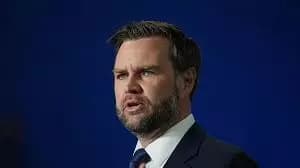
The ongoing diplomatic efforts also included a meeting between US Vice President JD Vance and senior Iranian officials, facilitated by mediators from Pakistan and Qatar. This high-level interaction underscores the international community's interest in finding a peaceful resolution to the escalating regional crisis.
While reports indicate that negotiations were briefly suspended to allow for internal consultations, the dialogue remains active. Participants have expressed a sense of optimism regarding the initial session, suggesting that the current framework is essential for building the necessary trust to navigate future challenges. While senior political-level discussions were slated to conclude on Monday, technical teams are expected to remain in Switzerland to continue refining the details of their shared objectives.