India's Russian Oil Imports Surge as Strait of Hormuz Reopens for Trade
India has increased Russian crude oil imports to record levels while the Strait of Hormuz gradually resumes operations. The nation continues to diversify its energy sources to balance supply security and cost-efficiency in the wake of recent Middle Eastern geopolitical tensions.
Highlights
- •Russia remains India's largest oil supplier, with June imports reaching 2.66 million barrels per day.
- •The reopening of the Strait of Hormuz is expected to ease global energy costs and supply risks gradually.
- •India’s energy import strategy has shifted to include more diverse sources like Venezuela and the US alongside traditional Gulf suppliers.
- •LPG supply chains were the most severely disrupted, while crude and LNG imports showed higher resilience.
India's crude oil imports from Russia have experienced a significant surge throughout June, solidifying Moscow's position as the nation's primary energy supplier. Simultaneously, supply volumes from the United Arab Emirates have remained near record highs as local refiners focus on securing energy stability in the wake of the reopening of the Strait of Hormuz.
According to maritime and commodity intelligence data, India imported an average of 2.66 million barrels per day (bpd) of crude oil from Russia between June 1 and June 19. This marks a substantial increase from the 1.91 million bpd recorded in May. This tactical shift underscores India's ongoing strategy of diversifying its energy sourcing to mitigate geopolitical risks.
Strategic Energy Diversification and Infrastructure
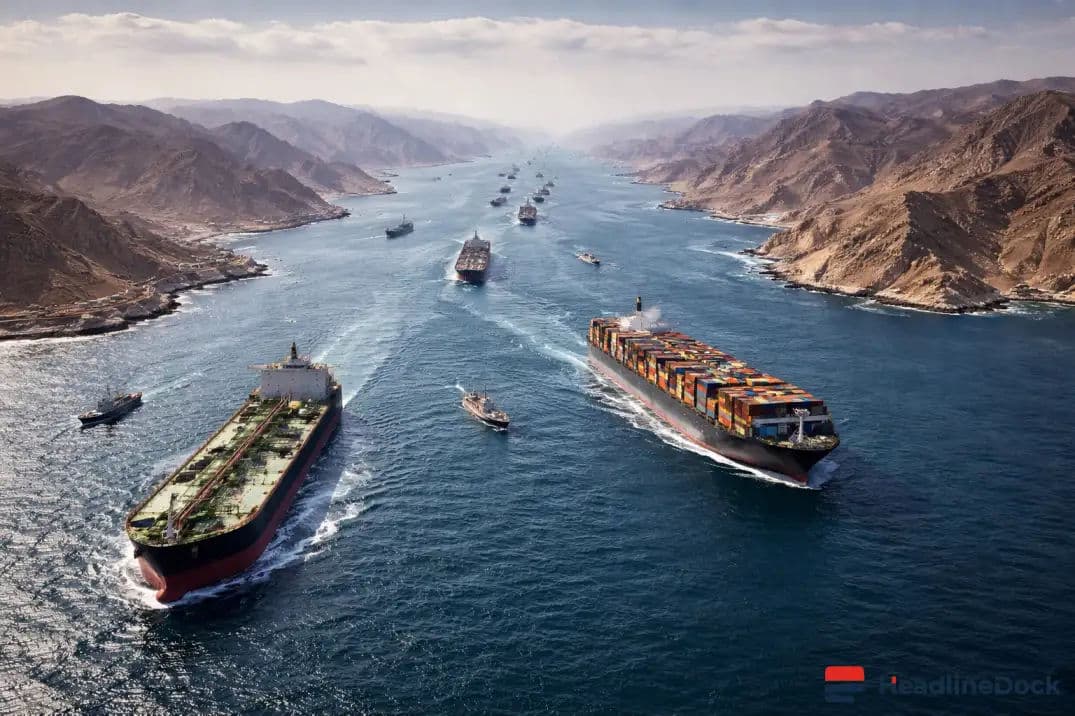
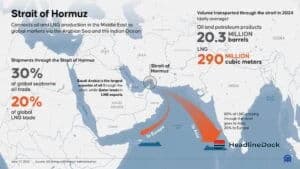
The Strait of Hormuz, a critical artery responsible for roughly 20 percent of global oil consumption, had faced major disruptions following recent US and Israeli engagements with Iran. These tensions caused significant hurdles for Gulf producers, including Saudi Arabia, Iraq, Kuwait, and the UAE. As the world's third-largest energy importer, India heavily relies on this route for crude, LNG, and LPG.
While the recent ceasefire agreement between the United States and Iran has facilitated the reopening of the Strait of Hormuz, experts emphasize that the recovery of trade flows will be gradual. Sumit Ritolia, Senior Manager of Modelling at Kpler, notes that the initial phase of normalization focuses on clearing trapped cargoes and restoring shipping channels before export volumes from Gulf producers can materially scale up again.
The impact of this disruption has varied across different fuel sectors. LPG supplies proved to be the most severely affected, prompting India to accelerate its reliance on other partners, including the United States. Meanwhile, crude and LNG imports remained relatively resilient due to the presence of alternative supply routes and existing bypass infrastructure. Even as the Strait of Hormuz resumes normal operations, analysts expect India to maintain a broadened sourcing base, with Russian crude continuing to serve as a cornerstone of the country's energy import basket due to favorable pricing and strong supply security.
Furthermore, the increased use of Venezuelan crude, which reached approximately 209,000 bpd in June, and other Atlantic Basin sources has provided refiners with vital options for processing heavier oil grades. Although the long-term outlook remains sensitive to production constraints and potential international sanctions, these diversification efforts are designed to insulate the Indian economy from future volatility in the Gulf energy market.