APSCPCR Conducts Intensive Review of Child Welfare Measures in Prakasam District
The Andhra Pradesh State Commission for Protection of Child Rights reviewed welfare programs and facility standards in Prakasam district. The commission emphasized strict compliance with child protection laws and the need for coordinated action against child labor, marriage, and exploitation.
Highlights
- •APSCPCR officials reviewed child protection and welfare programs in Prakasam district.
- •Inspections were conducted to ensure compliance with the PCPNDT Act in Ongole.
- •Facilities at the government Bala Sadan were evaluated for safety and hygiene standards.
- •Officials strategized on preventing child marriage, child labor, and human trafficking.
The Andhra Pradesh State Commission for Protection of Child Rights (APSCPCR) has launched a thorough review of child welfare measures in the Prakasam district. This initiative, spearheaded by the commission, aims to strengthen protective frameworks and ensure the holistic development of children across the region. Officials emphasized the critical need for a child-friendly environment that guarantees safety, education, and health.
Evaluating Child Protection and Regulatory Compliance
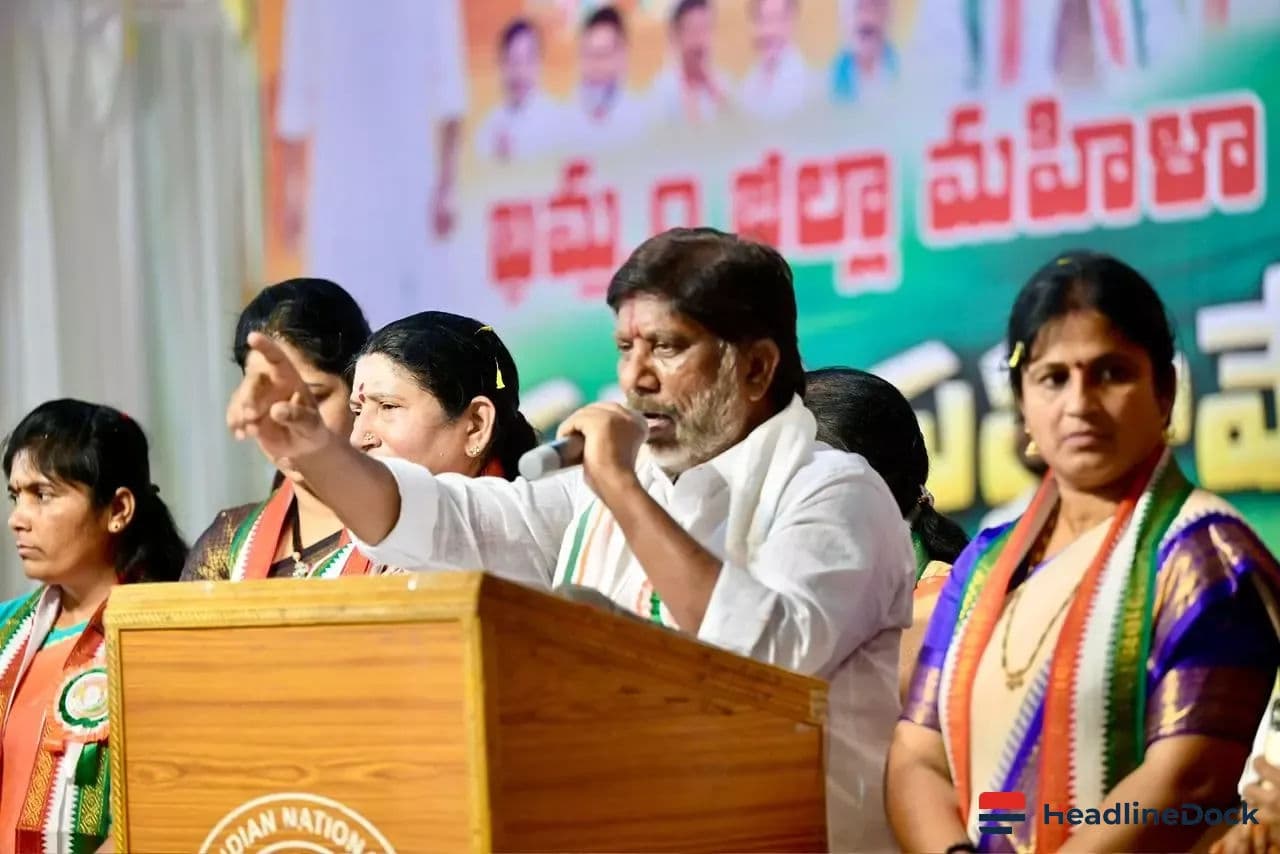
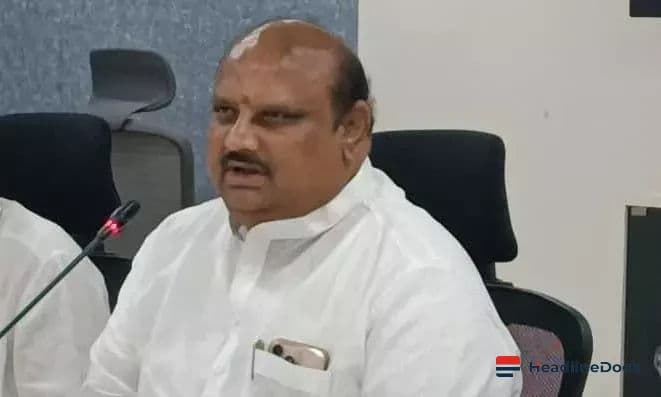
During the visit, APSCPCR chairman Vetukuri A.V.S. Surya Narayana Raju, accompanied by commission member V. Gandhi Babu, conducted rigorous inspections of various facilities. A primary focus was the evaluation of diagnostic and scanning centers located in Ongole. The commission sought to verify strict compliance with the Pre-Conception and Pre-Natal Diagnostic Techniques (PCPNDT) Act. By enforcing these regulations, the commission aims to curb illegal sex selection practices and advocate for the protection and rights of the girl child.
The delegation also inspected the government-run Bala Sadan in Ongole to assess the standard of care provided to children. The inspection covered essential aspects including accommodation quality, nutritional support, academic resources, hygiene standards, and overall facility safety. This review serves as a reminder that state-run institutions must maintain high standards to ensure the well-being of the youth under their care.
Strategic Reviews and Future Action Plans
Following the facility inspections, the commission members engaged in a high-level review meeting with officials from the District Child Protection Unit and representatives from other relevant government departments. The discussion centered on a comprehensive strategy to combat pressing social issues. Key topics included the prevention of child marriage, the eradication of child labor, and the active monitoring of potential human trafficking incidents.
Furthermore, the commission prioritized the development of robust mechanisms to address crimes committed against children. The review meeting concluded with a call for stronger inter-departmental coordination to facilitate the timely rehabilitation of vulnerable children. By ensuring that child protection laws are implemented effectively, the APSCPCR aims to foster a secure environment for all minors in the district. The officials stressed that a unified approach is essential for safeguarding children's rights and ensuring that the government’s welfare schemes reach those most in need. This commitment to oversight is a pivotal step in maintaining social welfare standards in Prakasam and surrounding areas.