Why Strict Bushmeat Bans Could Endanger Food Security in Central Africa
Research indicates that blanket bans on bushmeat in Central Africa could trigger a humanitarian crisis. With millions relying on wild game for essential protein, experts urge for sustainable, regulated hunting practices and better access to alternative food sources to ensure regional food security.
Highlights
- •Bushmeat provides up to 20% of daily protein requirements for rural Central African households.
- •Proportion of wild meat sold by rural hunters has climbed from 34% to 72% in twenty years.
- •Total bans on wildlife trade may trigger humanitarian crises due to lack of affordable protein alternatives.
- •Experts recommend sustainable management and legal regulation over blanket prohibitions to ensure food security.
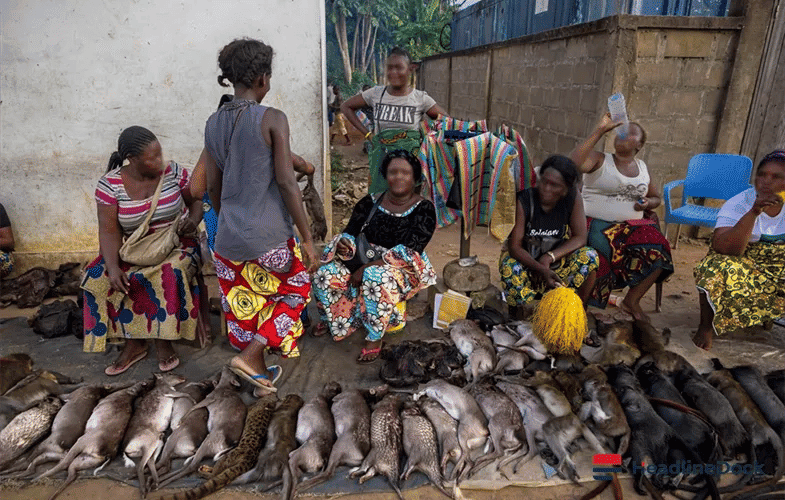
In Central Africa, millions of residents rely heavily on bushmeat as a vital source of nutrition. This dependency is particularly acute in rural areas surrounding the Congo Basin, the world's second-largest tropical rainforest. Due to limited transport infrastructure, livestock diseases, and a scarcity of animal fodder, wildlife and freshwater fish remain the primary providers of essential proteins and micronutrients for these populations.
Recent research indicates that the demand for this resource is shifting. Over the past two decades, the proportion of bushmeat sold by rural hunters across sub-Saharan Africa has surged from 34% to 72%. While hunters once consumed the majority of their catch, they now market nearly three-quarters of it to growing urban populations. Analysis of data from over 12,000 households across 252 sites reveals that bushmeat contributes roughly 20% of the recommended daily protein intake for rural communities. Even in cities, this contribution is notable and continues to rise.
The Impact of Bushmeat Bans on Food Security
Concerns regarding zoonotic diseases—such as the recent Ebola outbreaks in the Democratic Republic of the Congo and Uganda—have triggered calls for total bans on the bushmeat trade. However, experts warn that such restrictions could precipitate a severe humanitarian crisis. Because rural communities face chronic food insecurity, cutting off this primary protein source without adequate alternatives could prove catastrophic.
Rather than enforcing blanket prohibitions, researchers advocate for the legal and sustainable use of non-protected species in rural areas. Establishing clear national regulations, developed in partnership with local hunters and consumers, could foster more sustainable management of wildlife populations. This approach would not only support local livelihoods but also provide a framework for monitoring diseases that jump from animals to humans.
Furthermore, the study highlights a growing trend in provincial cities where bushmeat remains a low-cost, accessible protein source compared to expensive, often unreliable imported meats. In larger urban centers, consumption is also driven by cultural traditions and the perception that wild meat is healthier than frozen products treated with high levels of antibiotics. As urbanization accelerates, the pressure on wildlife will likely intensify, necessitating proactive strategies.
Proposed solutions focus on increasing the availability of safe, culturally appropriate protein alternatives like poultry and fish, especially in peri-urban areas. Additionally, targeted public awareness campaigns can help shift consumption behaviors in major metropolitan hubs. Ultimately, long-term success requires cooperation between governments, international organizations, and local communities to manage wildlife resources responsibly, ensuring both biodiversity conservation and regional food security.