How Drakensberg Sheep Farmers Are Adapting to Escalating Climate Change Threats
Smallholder sheep farmers in South Africa's Drakensberg region are facing significant challenges from climate change, including drought and extreme weather. While farmers are employing traditional and modern adaptation strategies, increased institutional support is critical to ensure the long-term viability of these vulnerable rural livelihoods.
Highlights
- •Smallholder sheep farmers in South Africa's Drakensberg are facing severe threats from climate change.
- •Extreme weather like drought and heatwaves is leading to pasture loss and increased livestock mortality.
- •Farmers are adapting through rotational grazing, breed selection, and active community knowledge sharing.
- •Resilience varies by village, with a clear need for government support in infrastructure and veterinary services.
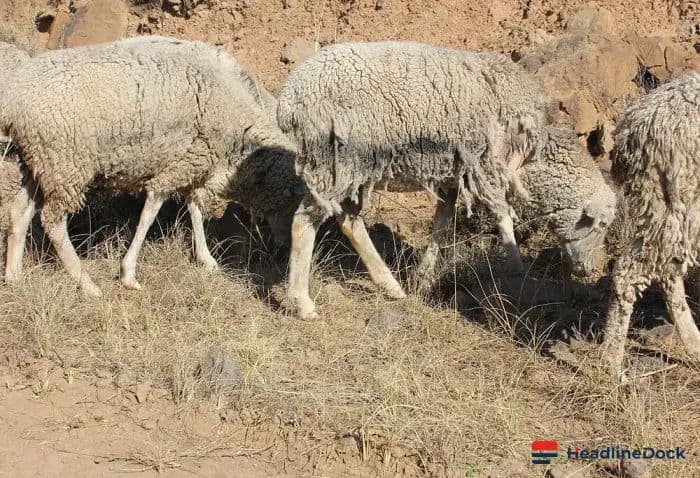
Smallholder sheep farmers in the Drakensberg grasslands of South Africa's Eastern Cape province are grappling with the intensifying effects of climate change. These pastoralists typically manage modest flocks of 10 to 50 sheep, utilizing communal grazing lands and traditional agricultural methods to sustain their livelihoods and food security. However, shifting environmental patterns are increasingly disrupting these established practices.
Recent research focused on 89 smallholder farmers across the villages of Mabua, Tothaneng, and Madlangala highlights the severity of these challenges. Farmers report that climate change is not a distant threat but a current reality, manifesting in higher temperatures, prolonged periods of drought, and erratic precipitation. These conditions have led to a noticeable decline in available pasture, an increase in livestock diseases, and higher mortality rates among lambs, particularly during harsh winter seasons.
Addressing Climate Risks in Pastoral Communities
The impact of climate change is compounding other agricultural hardships, as extreme weather events such as heatwaves and heavy storms often occur in rapid succession. Since these farmers rely heavily on natural grazing resources, the degradation of grasslands caused by environmental stress significantly undermines their ability to maintain healthy, productive flocks. Many animals, often kept in rudimentary enclosures, lack sufficient protection from the elements, which further increases the risk of loss during severe weather.
Despite these vulnerabilities, rural communities are actively implementing adaptation strategies to survive. Common practices include rotational grazing, which allows pastures time to recover, and the temporary resting of veld areas to manage vegetation health. Additionally, farmers are diversifying their approach by selecting hardier, crossbred sheep varieties that exhibit greater resilience to disease and fluctuating weather conditions. Community-based knowledge sharing remains a vital asset, as farmers rely on indigenous forecasting methods and shared experiences to navigate seasonal shifts.
However, the efficacy of these adaptations is uneven across different areas. Research indicates that communities with robust social networks and formal associations are significantly better equipped to manage these environmental pressures. Conversely, farmers in villages like Tothaneng face greater difficulties due to a lack of institutional support and fewer accessible safety nets.
To secure the future of these agricultural systems, there is an urgent need for targeted intervention. Development organizations, government extension services, and researchers must prioritize the implementation of early warning systems and enhanced veterinary support. Furthermore, providing infrastructure—such as protective shelters and reliable water access points—and incentivizing younger generations to remain involved in agriculture are essential steps toward building long-term resilience against the accelerating challenges of climate change in the Drakensberg region.