Voters Unmapped? Use 2002 SIR Details for Electoral Roll Verification Process
Unmapped voters can now update their details using 2002 SIR records and the official enumeration form. Chief Electoral Officer K. Sudharshan Reddy confirmed that BLOs will assist with the process starting June 25, with online verification options also available for eligible citizens.
Highlights
- •Voters can use 2002 SIR data to map their details via the enumeration form.
- •Booth-level officers will assist with home visits beginning June 25, 2026.
- •Online mapping is available for voters whose details match their Aadhaar records.
- •A claims and objections period for Form 8 submissions opens on July 31.
Voters who have not yet been mapped in the electoral rolls now have a new opportunity to verify their information using the 2002 Special Intensive Revision (SIR) data. This initiative aims to assist citizens in rectifying their registration status and ensuring they are correctly listed in the upcoming electoral process through a streamlined enumeration form.
Understanding the SIR Voter Mapping Process
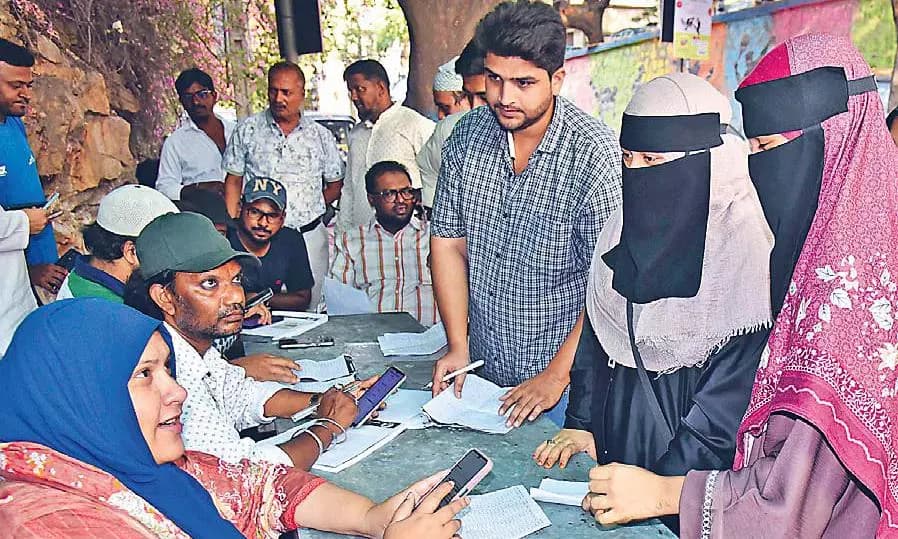
Chief Electoral Officer K. Sudharshan Reddy announced that booth-level officers (BLOs) will begin house-to-house visits starting June 25 to help residents during the enumeration phase. These officials will carry printed hard copies of the 2002 SIR electoral rolls. If individuals find that their names are missing from these records, they are encouraged to provide details related to their parents or grandparents, which can be entered into the enumeration form to help facilitate the mapping process.
To assist with the search, the election commission has provided access to official data online. Voters can retrieve information by visiting official portals and utilizing the “search by Electors details” feature. Additionally, part-wise electoral roll data in PDF format is available, allowing those who know their specific polling station to locate their entries directly.
Online Submission and Documentation Requirements
The commission has emphasized that no physical documentation is required during this initial enumeration phase. However, once the draft electoral roll is published on July 31, individuals may be asked to provide supporting documents if the Electoral Registration Officer (ERO) or Assistant Electoral Registration Officer (AERO) requires verification of eligibility. Acceptable proof includes a variety of government-issued identification, such as passports, birth certificates, educational board certificates, or land and house allotment documents.
For added convenience, an online facility is available at the official election portal. Eligible voters who have their names matching in both the electoral roll and their Aadhaar records can complete the process digitally. Users must log in using their registered mobile number or EPIC number, authenticate via OTP, and select the “Fill Enumeration Form” option. Following submission, the system will direct voters to an e-sign page for final authentication.
Looking ahead, address updates and other corrections can be formally processed via Form 8 once the draft roll is published. This claims and objections period will run from July 31 to August 30, ensuring all necessary amendments are incorporated into the final electoral roll before future elections.