Indonesia Mandates French Studies Amid Concerns Over National Literacy Crisis
The Indonesian government's mandate for students to study French and Portuguese has ignited debate over educational priorities. Critics argue that adding new languages ignores a critical national literacy crisis and places unnecessary pressure on an already overloaded curriculum, urging a focus on core subjects instead.
Highlights
- •President Prabowo Subianto mandated French language study for Indonesian students, following a previous mandate for Portuguese.
- •Lawmakers and educational experts are questioning the relevance and timing of adding new languages to an already dense curriculum.
- •Recent PISA and local TKA data highlight a critical need for improvement in basic reading literacy and core subjects among Indonesian students.
- •Critics argue that strengthening existing literacy in Bahasa Indonesia and English should take precedence over adding new foreign language requirements.
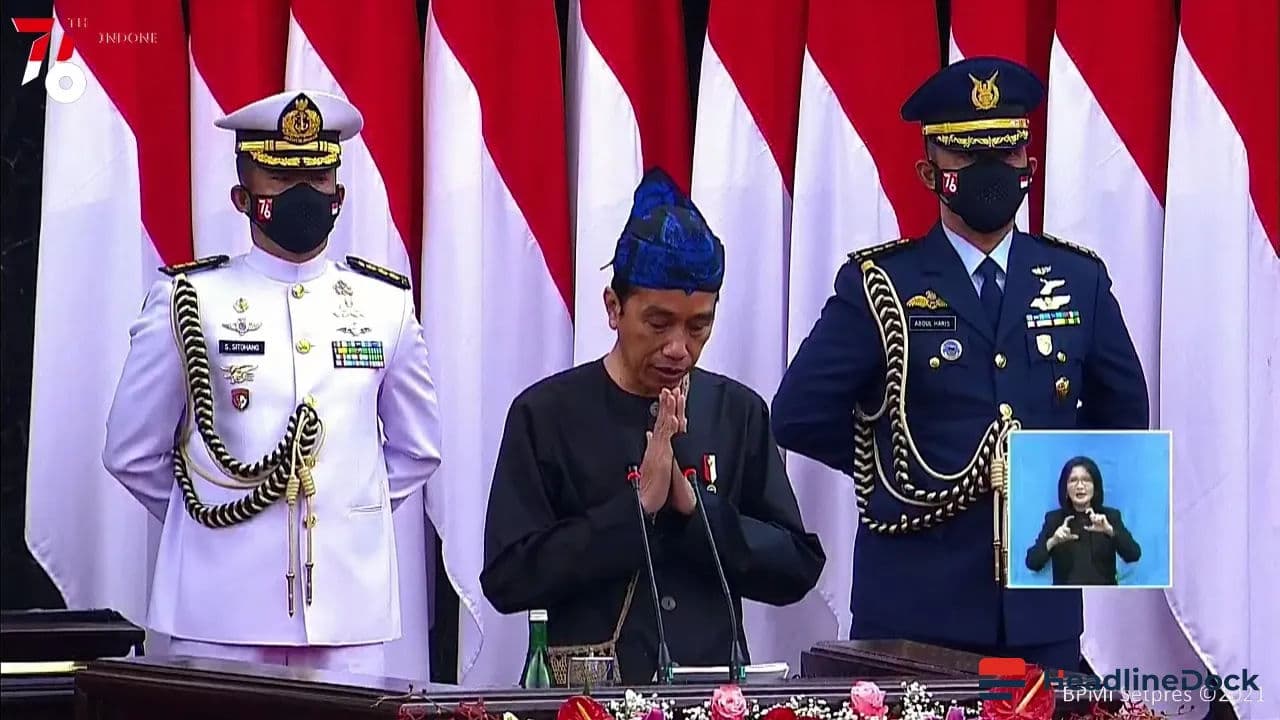
In a move that has sparked significant national debate, President Prabowo Subianto recently announced that students across Indonesia will be required to study the French language. This policy directive, shared from the Élysée Palace in Paris in late May 2026, follows a similar mandate announced in October 2025 regarding the mandatory study of Portuguese. While these initiatives are framed within the context of strengthening international diplomatic relations, they have raised urgent questions regarding the current state of the nation's educational policy and the persistent literacy crisis facing Indonesian students.
The Debate Over Language Education Policy
The implementation of these language mandates has drawn scrutiny from lawmakers, including Hadrian Irfani of Commission X of the House of Representatives (DPR-RI). Critics argue that adding foreign languages to an already dense curriculum may lack practical relevance and could place an undue burden on both educators and students. Historical context provides a complex backdrop to this issue; despite a deep-rooted history with the Netherlands that influenced legal and social structures for centuries, the Dutch language was never integrated into the formal national curriculum. Similarly, despite significant demographic ties, Arabic remains largely absent from formal schooling in France, illustrating that language policies are often driven by strategic political and ideological priorities rather than simple historical connections.
The government maintains that these mandates serve to enhance bilateral cooperation, particularly in fields such as science, technology, and international employment. However, educational experts point to a more pressing concern: the foundational literacy of students. Recent data, including the 2022 PISA report, indicates that Indonesia faces significant challenges in reading literacy, with scores trailing behind OECD averages. Furthermore, domestic Academic Ability Tests (TKA) conducted in 2025 showed low average scores in core subjects, including English, Mathematics, and Bahasa Indonesia.
Prioritizing Foundational Literacy Skills
Educational advocates, such as Satriawan Salim, coordinator of the Association for Teachers and Education Personnel (P2G), have voiced concerns that the current focus on introducing new foreign languages might divert attention from essential improvements in basic education. The challenge lies in determining the ultimate objective of such language policies: are they designed to enhance student learning outcomes, or do they function primarily as diplomatic gestures? Educators suggest that a more effective approach would involve strengthening literacy standards and ensuring proficiency in Bahasa Indonesia and English—the latter being a critical global language—before expanding into additional foreign languages. By prioritizing the core competencies of students, the government could establish a more robust foundation for the nation’s future, ensuring that educational policies are both sustainable and beneficial for the student body at large.