A Safe AI Strategy for Canadian Youth Must Include Age-Associated Risks
Canada has launched new policies to integrate Artificial Intelligence into education and online spaces for youth. Experts warn that a successful AI strategy must move beyond simple access and address specific age-related developmental risks to truly ensure safety and skill-building for all students.
Highlights
- •Canada's new policies aim to bridge the AI adoption gap while regulating chatbot safety for youth.
- •Experts argue that current regulations fail to differentiate between the developmental needs of various age groups.
- •Research highlights specific risks for children, such as AI displacing human interaction or providing unverified information.
- •Policies must prioritize ethical training and student data protection over maximizing engagement and corporate profit.
The Canadian federal government has introduced two significant policy frameworks designed to govern how the nation's youth interact with Artificial Intelligence. These initiatives, titled the AI for All strategy and the Safe Social Media Act, aim to bridge the adoption gap while establishing regulatory safeguards. However, experts emphasize that a truly safe AI strategy must account for age-associated risks to effectively protect younger users.
The AI for All strategy focuses on expanding technological literacy through online courses, teacher training, and internships. Conversely, the Safe Social Media Act proposes a regulatory body to mitigate potential harms from AI chatbots, including exposure to inappropriate content, cyberbullying, and manipulative design features. While these policies are progressive, researchers argue that current regulations treat youth as a monolithic group, overlooking the developmental differences between infants, children, and adolescents.
Addressing Developmentally Appropriate AI Integration
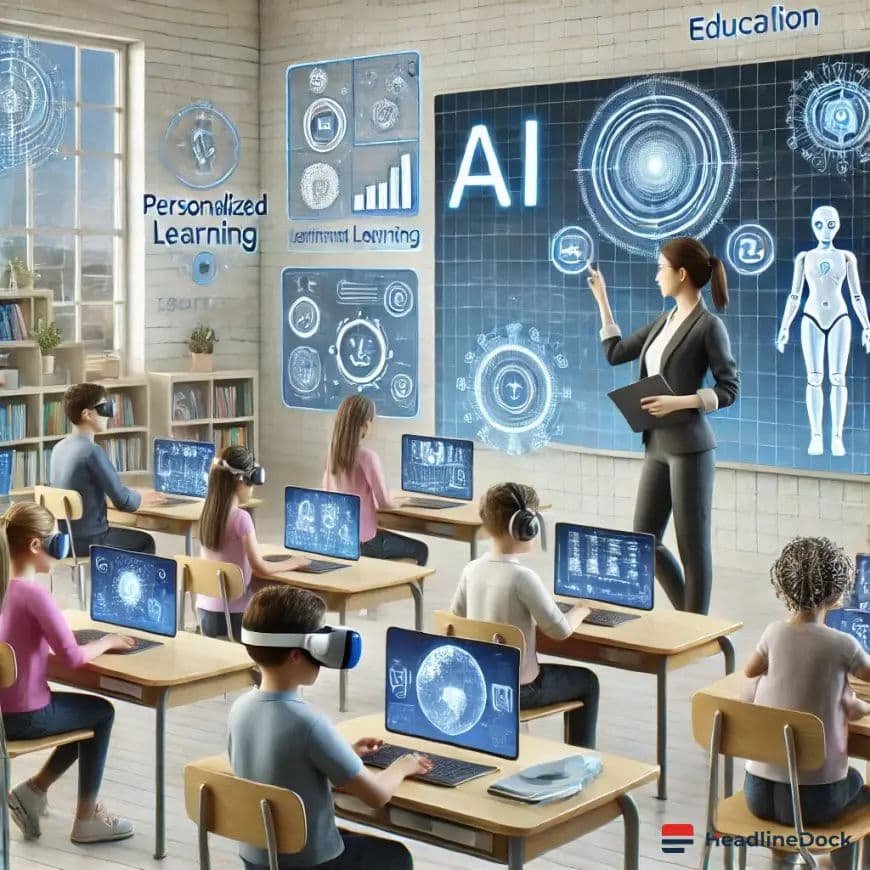
Recent research, including contributions to reports presented at the G7 summit, indicates that Artificial Intelligence design features significantly influence child development. It is crucial that AI integration in schools and homes be guided by a developmental lens rather than a one-size-fits-all approach. For example, systems designed for children under three should prioritize enhancing caregiver interactions rather than replacing them. For older students, policies must ensure that tools like AI tutors do not foster reliance or force learners to navigate complex pedagogical processes without sufficient oversight.
Furthermore, the integration of Artificial Intelligence in educational settings requires careful evaluation. While AI can serve as an efficient resource for organizing materials or providing translations, there are inherent risks regarding AI hallucinations and the misuse of private student data by technology companies. Educators and families are encouraged to monitor how these systems are trained and to prioritize tools that are independently verified. Effective policies must go beyond mere adoption, focusing on ensuring that AI systems are ethically trained—ideally incorporating diverse content such as Indigenous knowledge—to be truly youth-ready.
Ultimately, a responsible approach to AI requires a commitment to critical literacy and rigorous, evidence-based regulation. By prioritizing academic and social skill development over corporate engagement metrics, policymakers can create an environment where technology serves the best interests of the younger generation. Safeguarding the future of Canadian youth depends on moving beyond simple access to implementing comprehensive, developmental-focused governance for all digital interactions.