US and Iran Reach Two-Week Ceasefire to Prevent Conflict in Hormuz Strait
The United States and Iran have agreed to a two-week ceasefire aimed at preventing conflict in the strategic Hormuz Strait, with economic stability riding on this deal's success.
Highlights
- •US-Iran Ceasefire: A temporary halt to hostilities for 14 days.
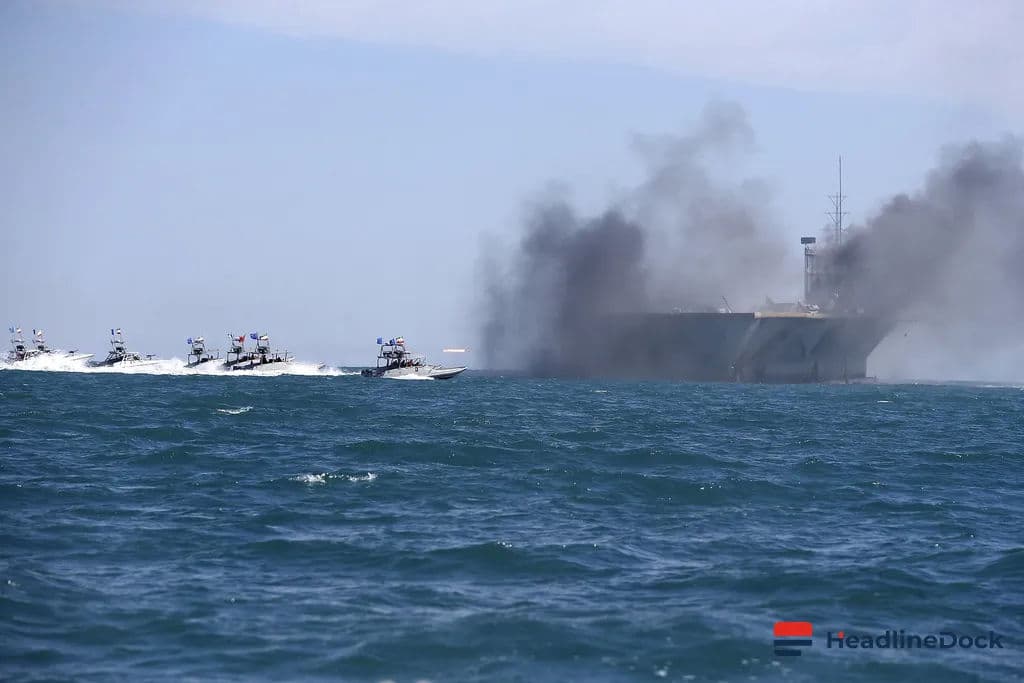
- •Reopening of the Strait of Hormuz: Critical for global trade and economy, ensuring about 30% of oil passes through.
- •Pakistan's Role: Played a key mediating role in securing this agreement between Iran and the United States.
- •No Damage Reported from Attack on Qatar: Qatar announced that it successfully intercepted a missile strike.
Amid heightened tensions in the Middle East, an agreement has been reached between the United States and Iran. The two nations have agreed to a ceasefire that will last for two weeks, starting immediately. This deal ensures a temporary halt to hostilities among the United States, Israel, and Iran. During this period, both sides are committed to refraining from launching any attacks on each other.
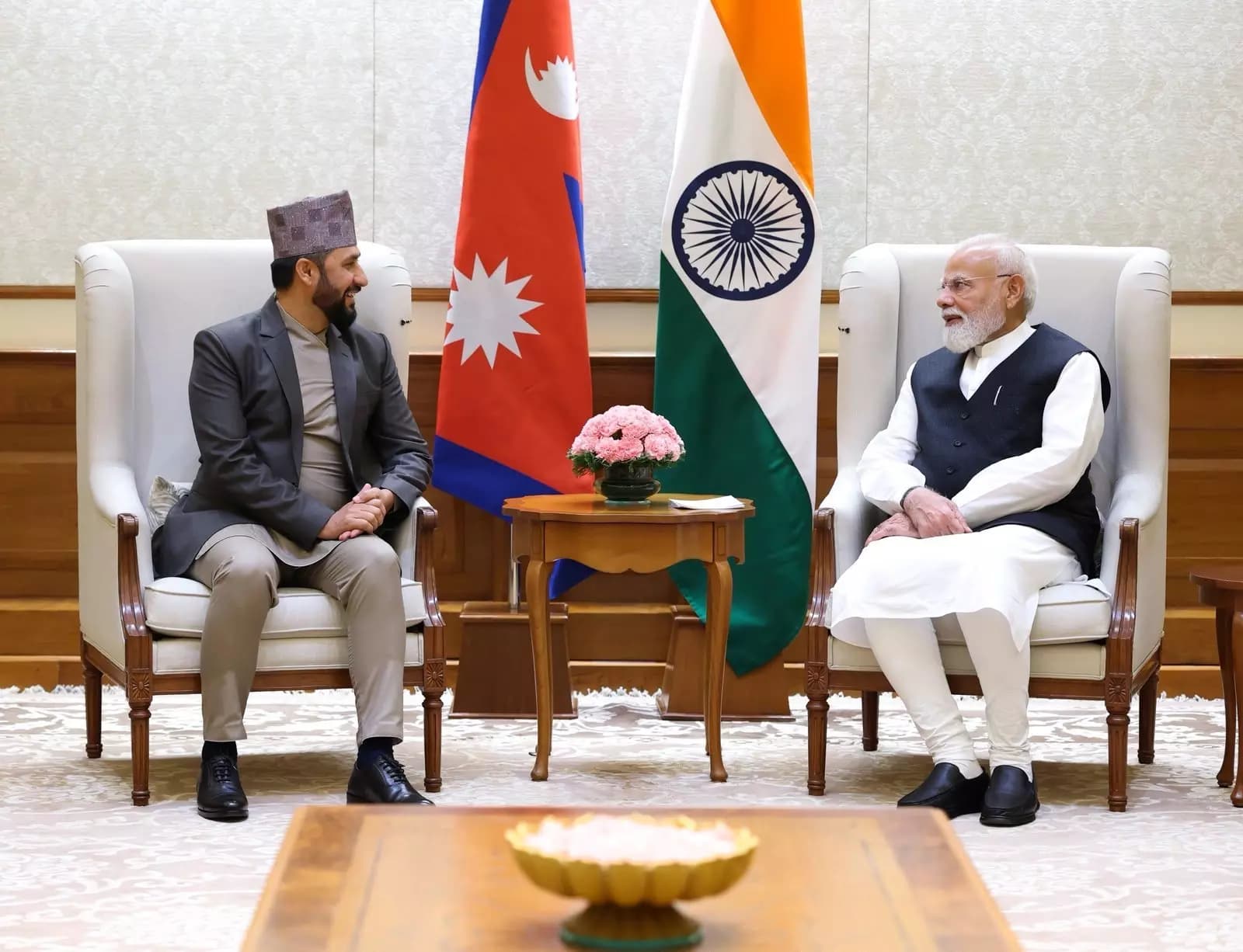
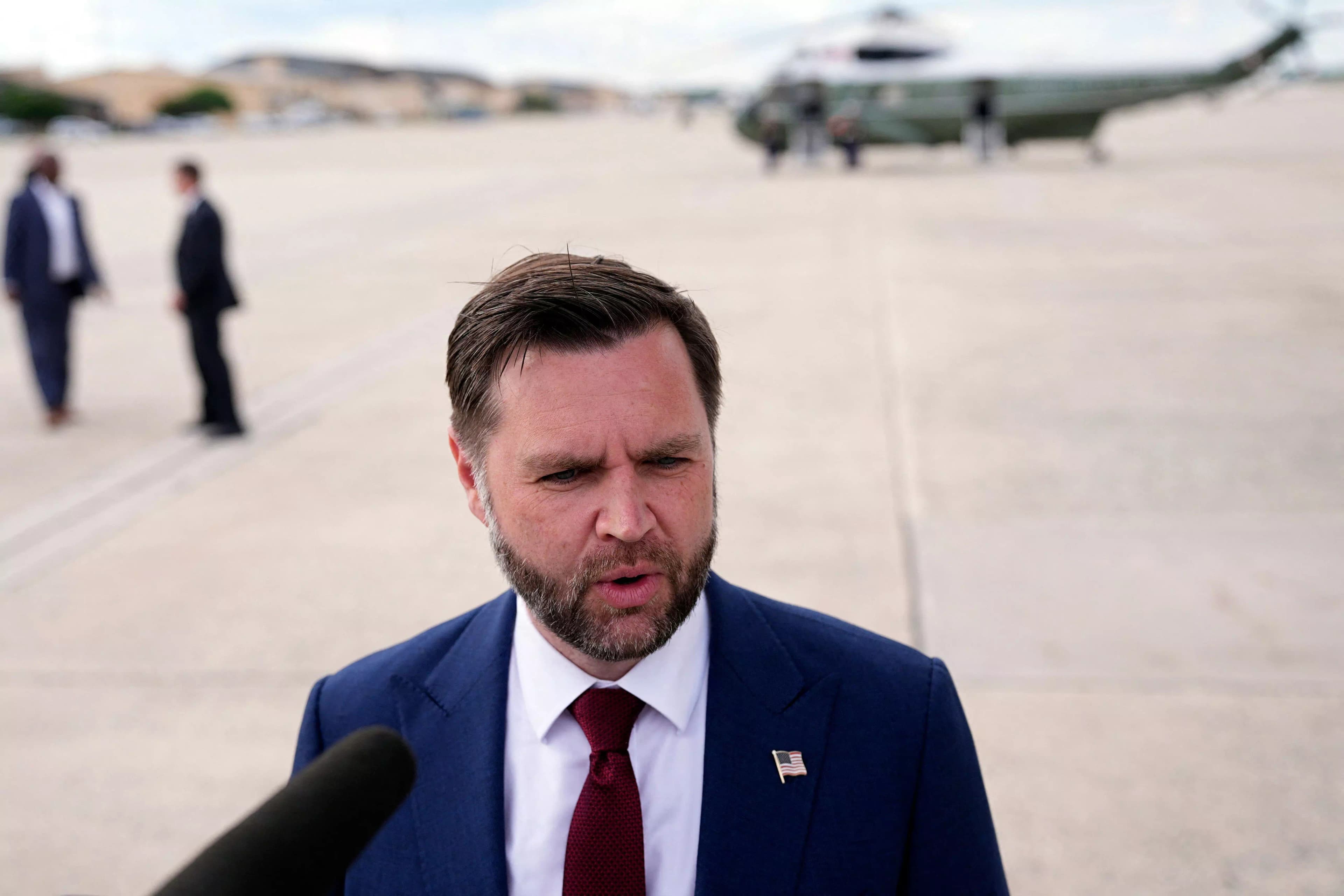
According to official reports, Pakistan played a critical role as a mediator in negotiating terms for this ceasefire agreement. President Donald Trump acknowledged Pakistan's assistance, expressing gratitude for its involvement. Iran similarly thanked both China and Pakistan for their support in facilitating the deal that aims to avoid broader conflict in the region.
Reopening of the Strait of Hormuz: Key to Economic Stability
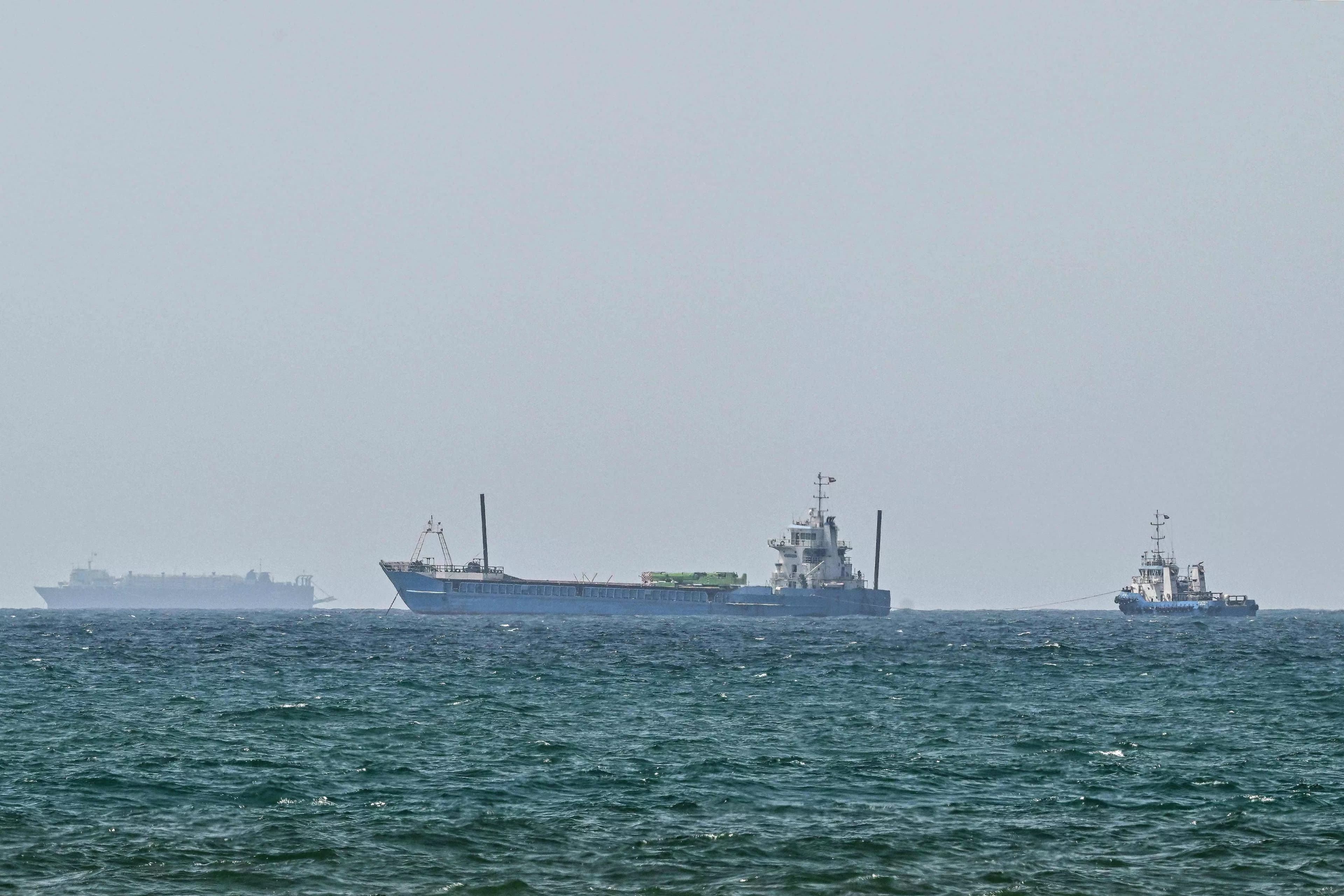
A significant part of this agreement also involves reopening the strategic Strait of Hormuz. Iran had initially set down specific terms before agreeing on this measure, ensuring a more controlled and secure passage for international shipping. The strait's reopening is crucial as it accounts for about 30% of the world's oil transported through its waters.
Iran announced that if the conditions were not met, the strait could remain closed, disrupting global trade and economy. Pakistan's role in mediating this aspect was pivotal, ensuring both nations adhered to agreed terms. The situation in Qatar also made headlines as it claimed to have successfully neutralised a missile attack while remaining peaceful itself.
It is noteworthy that Donald Trump had issued warnings of severe consequences if Iran failed to comply with demands for reopening the strait or agreeing to a settlement. However, these tensions were addressed through diplomatic channels, ensuring a temporary truce in an otherwise volatile region.