The HPV Vaccine is Saving Lives: Why Public Trust Remains Essential
Data from the UK shows the HPV vaccine is successfully preventing cervical cancer deaths, while Japan’s experience highlights that maintaining public trust is essential to ensure these life-saving benefits reach future generations.
Highlights
- •No cervical cancer deaths recorded in English women aged 20–24 who were vaccinated as teens.
- •High vaccination uptake in the UK has resulted in an 87% reduction in cervical cancer cases.
- •Japan’s experience shows that low public trust can lead to thousands of preventable future deaths.
- •The HPV vaccine is a proven, safe, and effective tool for long-term cancer prevention.
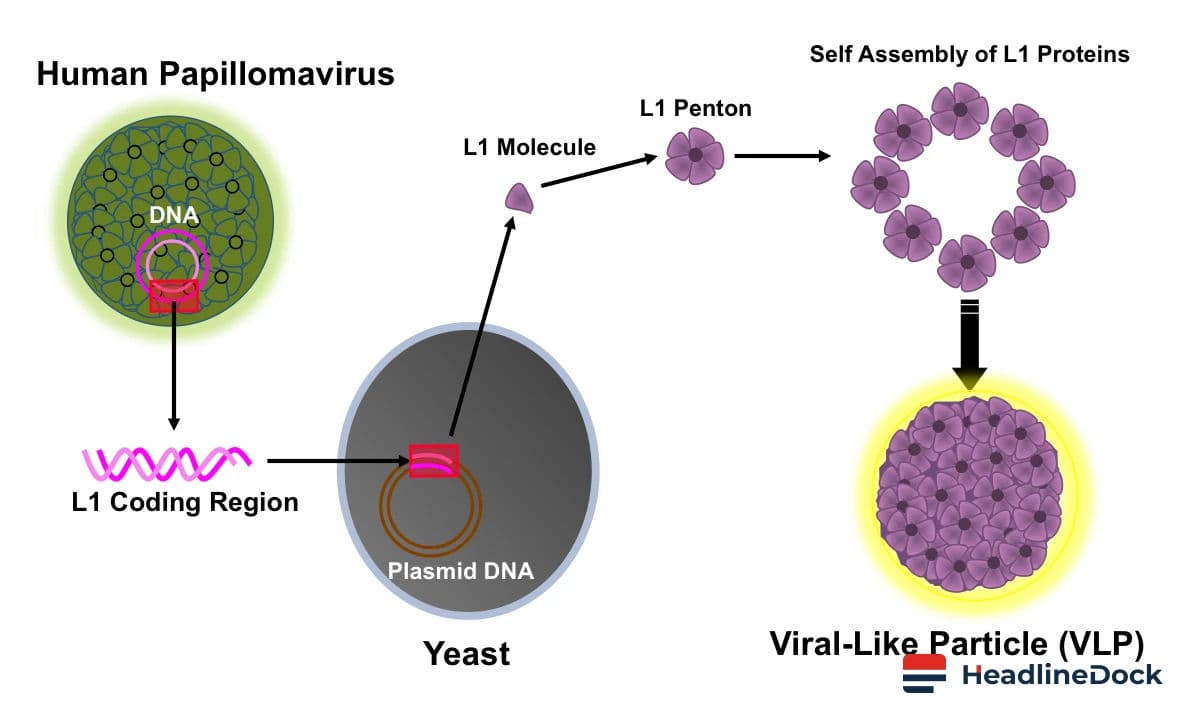
The HPV vaccine is demonstrating life-saving potential, particularly in the United Kingdom, where successful immunization programs have drastically reduced cervical cancer risks. Recent data indicates that among young women who were vaccinated during their school years, there have been no recorded deaths from cervical cancer in the last several years. Specifically, between 2020 and 2024, no female in England aged 20 to 24 who had completed the vaccination series as a teenager passed away from this disease.
Studies show that the HPV vaccine is effectively preventing hundreds of deaths, with projections suggesting even greater success as vaccinated populations age. For the first time, researchers have country-level evidence that adolescent vaccination is a critical barrier against fatal cancer. Since the UK began offering the jab to girls aged 12 to 13 in 2008, and later extending it to boys, high uptake—nearing 90% in certain age brackets—has led to significant declines in both invasive cancers and advanced precancerous lesions.
Maintaining Public Trust in the HPV Vaccine
While the clinical evidence is clear, the real-world effectiveness of the HPV vaccine depends heavily on public confidence. The situation in Japan serves as a cautionary tale. After the national program launched in 2013, media reports regarding potential side effects caused widespread anxiety, even though safety investigations found no causal link. Consequently, the Japanese government suspended its active recommendation, and vaccination rates plummeted from roughly 70% to less than 1%.
The impact of this collapse in public trust is profound. Modeling studies predict that this period of low coverage will lead to thousands of additional cancer cases and preventable deaths in Japan over the coming decades. Although the country has since reinstated its recommendation and launched catch-up efforts, these measures can only partially mitigate the long-term consequences of the initial drop in uptake. This highlights that biological tools like vaccines function within complex social systems that require consistent communication and trust to be effective.
For health professionals and policymakers, the lesson remains consistent: maintaining high, stable uptake is essential for eliminating cervical cancer as a public health threat. Communication must be transparent, and safety monitoring must be robust to address concerns promptly. For families, the evidence remains overwhelmingly reassuring. Hundreds of millions of doses have been administered globally, confirming that timely vaccination is one of the most effective strategies to prevent cancer. Ensuring that young people receive the HPV vaccine before potential exposure remains the gold standard for protecting their long-term health and preventing future mortality.