H5N1 Bird Flu Detected in Australia: Risks to Chickens and Pets Explained
The H5N1 bird flu has been detected in Australian seabirds, posing a significant threat to poultry and household pets. Experts advise backyard chicken owners and pet lovers to remain vigilant, keep animals contained, and report any signs of illness to the emergency hotline.
Highlights
- •The H5N1 bird flu strain has been identified in seabirds in two Australian states, raising alarms for poultry and pet owners.
- •The virus is zoonotic, meaning it can jump between species; cats are at a higher risk of severe illness than dogs.
- •Backyard chicken owners are urged to keep flocks housed to avoid contact with wild birds that act as carriers.
- •Any suspected cases of bird flu must be reported immediately to the Emergency Animal Disease Hotline at 1800 675 888.
The highly dangerous H5N1 bird flu strain has officially been detected in seabirds across two Australian states, prompting urgent warnings for domestic pet owners and those managing backyard chicken flocks. While the name implies a focus on avian populations, this virus is highly zoonotic, possessing the capacity to cross species barriers and infect various animals, including household pets like cats.
Veterinary experts emphasize that the threat posed by this strain is severe. Over the past two decades, the virus has evolved significantly, demonstrating a capability to jump between species and, in rare instances, reach human populations. Recent outbreaks in the northern hemisphere have devastated poultry farms, while incidents in the United States have highlighted how the virus can circulate among cattle and subsequently impact cats that have ingested contaminated colostrum.
Managing the Risks of H5N1 Bird Flu
The emergence of the virus during the colder months is consistent with previous patterns observed internationally, where low temperatures facilitate higher transmission rates. With the virus now confirmed in Western Australia and South Australia as of June 20, authorities are advising that localized outbreaks in poultry could potentially emerge within the next four to five weeks. The speed of this transition often depends on the level of biosecurity maintained within poultry facilities and the interactions between wild birds and domestic flocks.
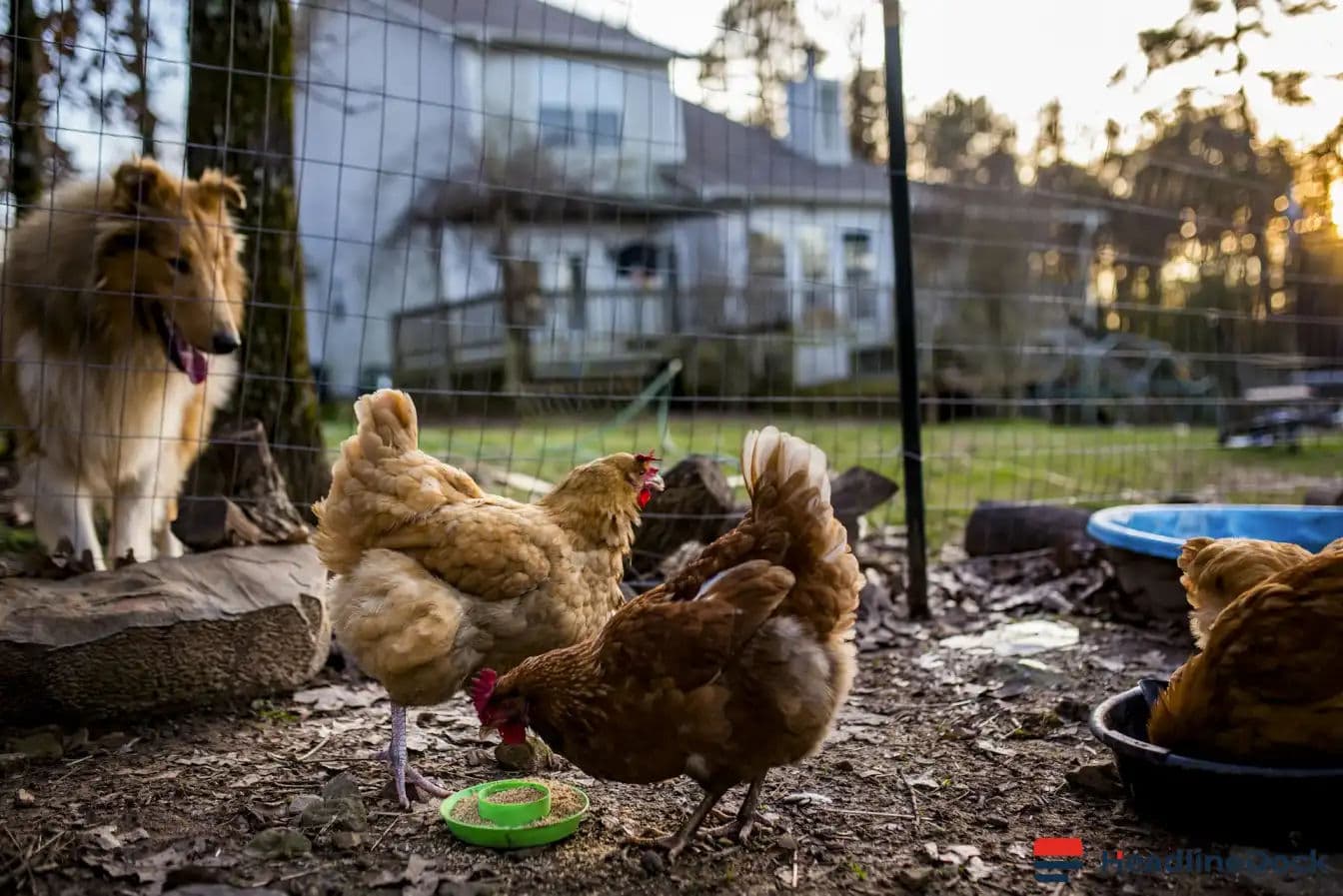
For those maintaining backyard chickens, vigilance is critical. The primary risk occurs when free-range birds make contact with wild species, such as crows or magpies, which act as bridging agents for the infection. Owners should monitor their birds closely for signs of lethargy, neurological distress, or disoriented behavior. If any symptoms are detected, it is vital to contact the Emergency Animal Disease Hotline at 1800 675 888 immediately. It is important to note that, according to current protocols, poultry flocks identified with an H5N1 infection must be euthanized to prevent further spread.
Furthermore, cat owners must exercise increased caution regarding their pets' outdoor activities. Evidence from international cases suggests that cats are notably more susceptible to severe disease compared to dogs. Owners should prevent their pets from scavenging on dead wild birds or consuming potentially contaminated raw materials. While the data regarding serious illness in dogs is currently less conclusive, other carnivorous species like foxes and skunks have demonstrated significant neurological distress when exposed. As the situation develops, agriculture departments continue to expand surveillance systems to include more rigorous testing of both wild bird populations and domestic poultry to mitigate the broader impact of this infectious virus.