The Hidden Risks of AI Influencers: Identity Theft and Data Privacy Threats
The surge of AI influencers presents complex challenges, including copyright exploitation and identity theft via deepfakes. As these virtual personas become mainstream, legal experts are calling for shared liability frameworks to protect personal identity and ensure AI technology remains a tool for human empowerment.
Highlights
- •AI influencers are reshaping marketing strategies but raising concerns over data privacy and copyright.
- •Generative AI models often use copyrighted works for training, leading to intellectual property disputes.
- •Deepfake and voice cloning technologies pose serious risks to personal identity and security.
- •Global experts advocate for shared liability frameworks between AI developers and platform operators.
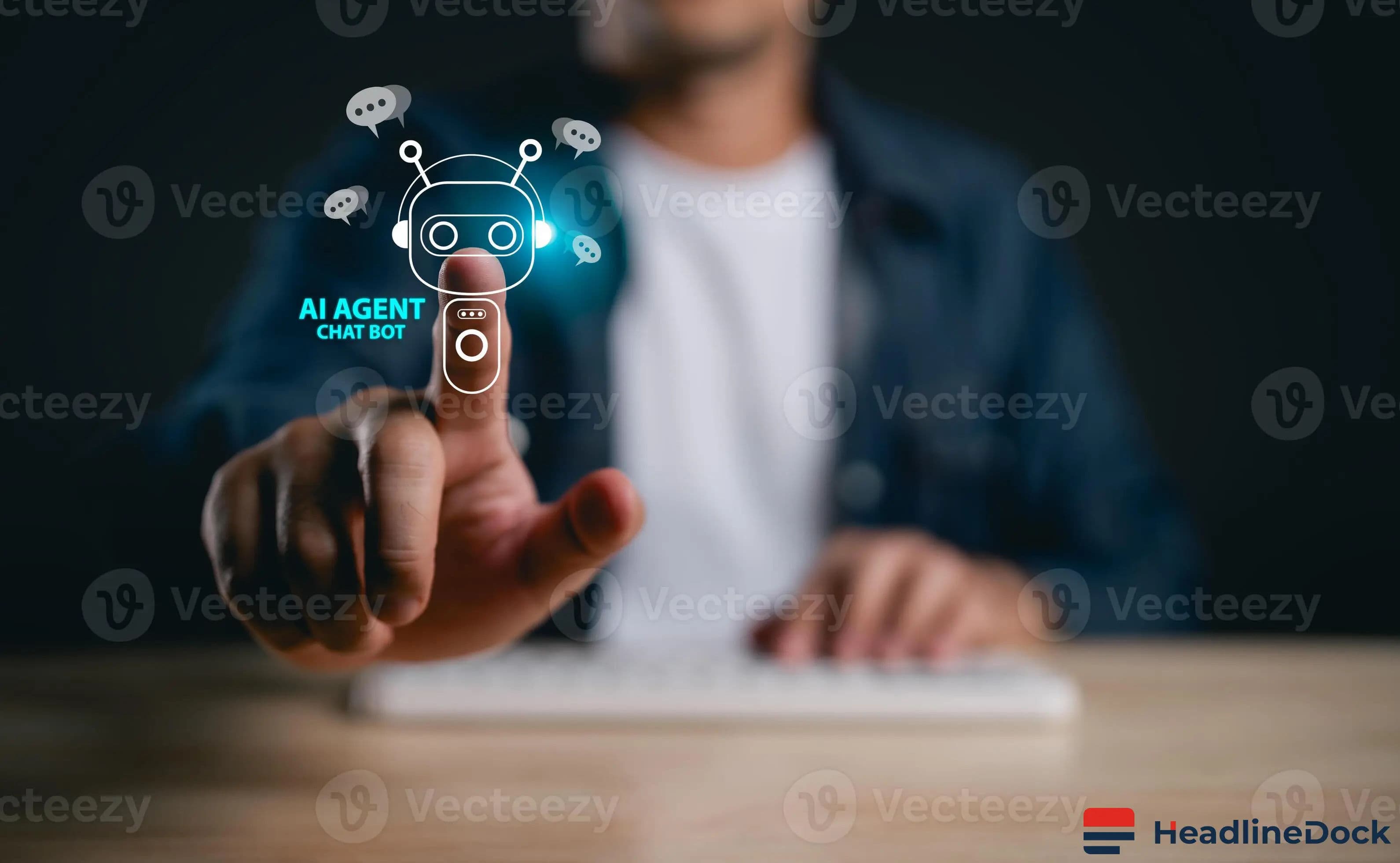
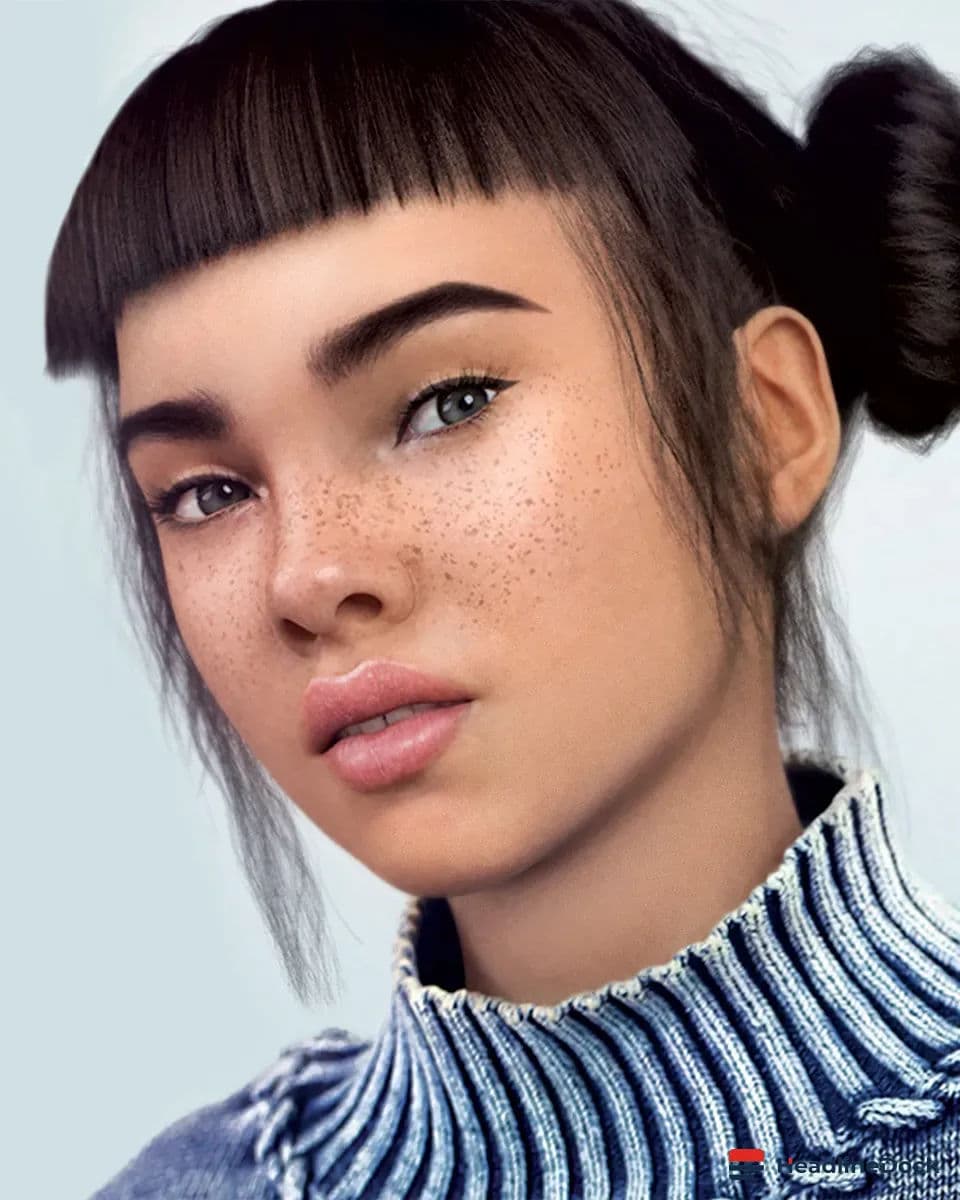
The rapid rise of the AI influencer has transformed the digital landscape, moving beyond simple chatbots into the creation of sophisticated virtual personas. These artificial entities, complete with human-like features, voices, and interactive personalities, are increasingly utilized by brands and marketing agencies to influence consumer behavior and shape public opinion. While they offer unprecedented control for marketing campaigns, their presence has ignited urgent concerns regarding data privacy, copyright infringement, and digital identity manipulation.
The Rising Risks of Synthetic Identities
The primary issue lies in how generative AI systems are trained. By consuming vast quantities of internet data—including copyrighted photos, music, and art—these models learn to replicate human characteristics with unsettling accuracy. This practice often occurs without the consent of the original creators. Legal frameworks, such as the Copyright Law No. 28 of 2014, face significant challenges in addressing these unauthorized uses of creative works, especially when AI begins mimicking the unique styles of renowned artists or specific vocal profiles of popular musicians, as seen in controversial instances involving Drake and The Weeknd.
Beyond copyright concerns, the threat escalates with deepfake and voice cloning technologies. These tools can replicate an individual's appearance and voice from minimal digital footprints, posing severe risks to personal security. In regions like Indonesia, this intersection of technology and identity rights falls under the Personal Data Protection (PDP) Law, which classifies biometrics as protected information. The potential for these tools to create non-consensual synthetic content has moved the conversation from mere digital ethics to a critical legal issue.
Defending Digital Integrity and Democracy
The capability of AI influencers to generate authentic-looking but entirely synthetic content threatens to undermine the foundations of digital communication. The misuse of deepfake technology in creating fabricated statements by public officials or spreading propaganda highlights a looming threat to political discourse. Such actions are compounded by existing ITE Laws regarding misinformation and defamation, yet the speed of technological evolution continues to outpace the development of regulatory measures.
As the international community, including the World Intellectual Property Organization (WIPO), debates the future of synthetic media, the emerging consensus emphasizes the need for a shared liability model. This concept distributes responsibility among AI developers, digital platforms, and end-users. Ultimately, the goal is to ensure that artificial intelligence remains a tool that empowers human creativity rather than a mechanism for exploitation. As we navigate this complex era, preserving control over individual identity, creative integrity, and democratic discourse remains the most significant challenge for the modern digital society.