Telangana Government Seeks Withdrawal of VB-G RAM G Act and Restoration of MGNREGA
The Telangana government has expressed strong opposition to the new VB-G RAM G Act, which replaces the MGNREGA. A cabinet sub-committee, led by Minister N Uttam Kumar Reddy, is demanding the act's withdrawal to safeguard rural livelihoods and maintain state-level administrative flexibility.
Highlights
- •The Telangana Cabinet Sub-Committee officially voiced concerns over the new VB-G RAM G Act.
- •The legislation is set to replace MGNREGA on July 1, prompting fears of reduced state autonomy.
- •Minister N Uttam Kumar Reddy condemned the removal of Mahatma Gandhi's name from the program.
- •The state is calling for the withdrawal of the new act to protect rural livelihood support.
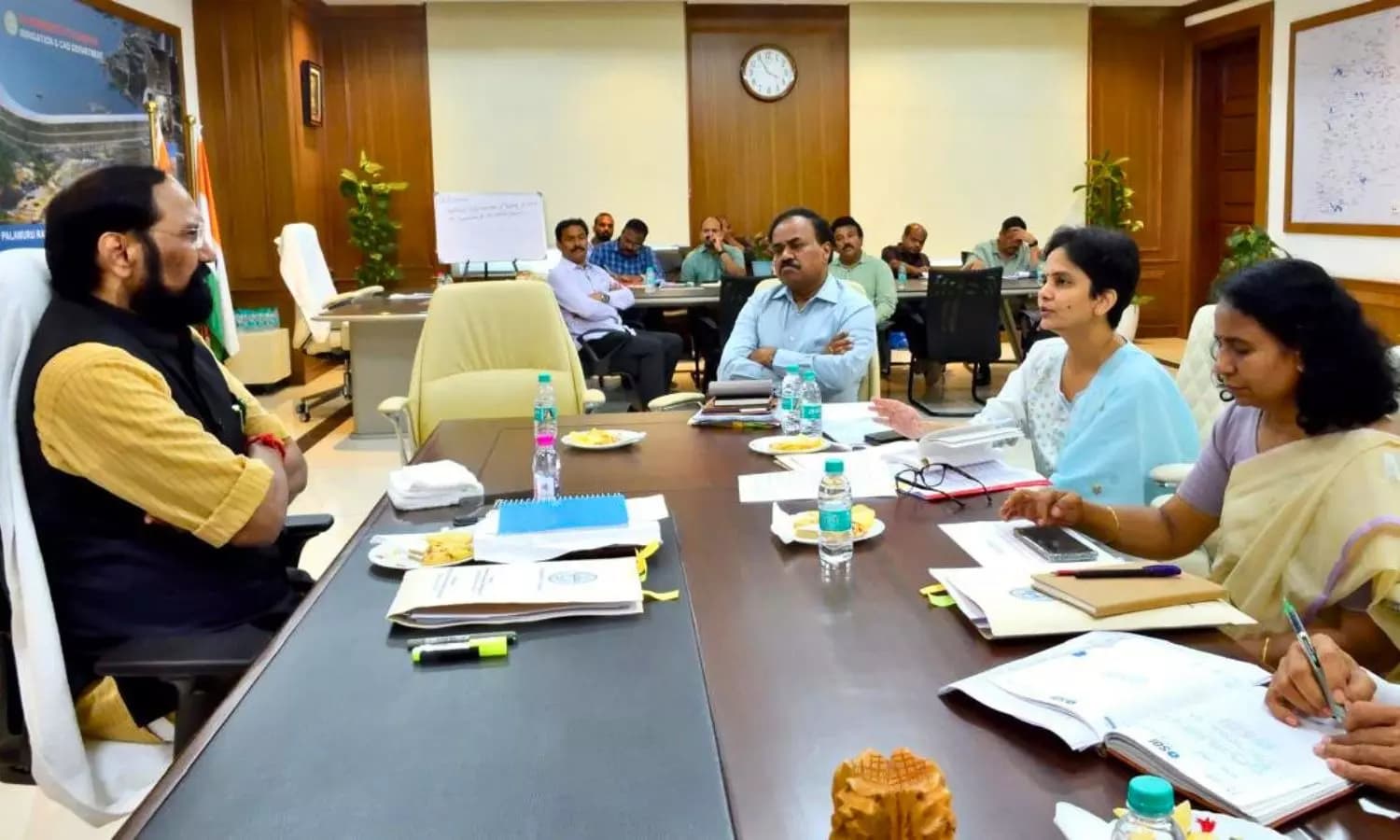
A specialized Cabinet Sub-Committee in Telangana has formally expressed reservations regarding the newly introduced VB-G RAM G Act. During a meeting held in Hyderabad on Sunday, the panel advocated for a cautious and critical stance, warning that the legislation could potentially disadvantage rural communities and undermine existing protections.
Led by Irrigation and Civil Supplies Minister N Uttam Kumar Reddy, the committee examined the implications of the VB-G RAM G Act, which is slated to replace the established Mahatma Gandhi National Rural Employment Guarantee Act (MGNREGA) beginning July 1. Members of the committee voiced significant concern that the new framework might diminish the authority of state governments in planning and executing essential employment programs.
Concerns Over Economic and Administrative Impacts
The committee highlighted that the VB-G RAM G Act could lead to increased financial liabilities for states, shifting a larger economic burden onto regional administrations. Furthermore, the members observed that rural poor households might face greater difficulty in securing employment and livelihood support under this transition. These concerns are shared by several other states, including non-BJP ruled territories and regions in the northeast, which have also flagged the potential for a heightened fiscal burden.
Minister N Uttam Kumar Reddy voiced strong disapproval regarding the removal of Mahatma Gandhi's name from the flagship rural employment program, labeling the decision as unnecessary and unfortunate. The state government remains firm in its demand that the central administration withdraw the VB-G RAM G Act entirely and restore the original MGNREGA framework to ensure continuity and stability for rural workers.
Strategy for Cooperative Federalism
To address these challenges, the sub-committee intends to recommend various amendments designed to protect the interests of self-help groups, marginal farmers, and other vulnerable demographics. The proposed changes aim to provide states with the necessary flexibility to design employment strategies tailored to their specific socio-economic conditions.
The government's strategy emphasizes the principles of cooperative federalism, calling for improved fiscal support from the central government and enhanced safeguards for rural livelihoods. The committee is finalizing a detailed report that outlines these recommendations, which will be officially communicated to the union government in the near future. Key state officials, including Danasari Anasuya Seethakka, Tummala Nageswara Rao, and G Vivek Venkatswamy, participated in the deliberations, underlining the collective concern of the state leadership regarding the impact of the VB-G RAM G Act on the local economy.