SZA Slams AI After Discovering 238 Songs Used for Training Models
Singer-songwriter SZA has condemned the unauthorized use of her discography to train AI music platforms. Highlighting the lack of protections for creators, she joins a growing movement of artists challenging the predatory implementation of generative AI in the creative industry.
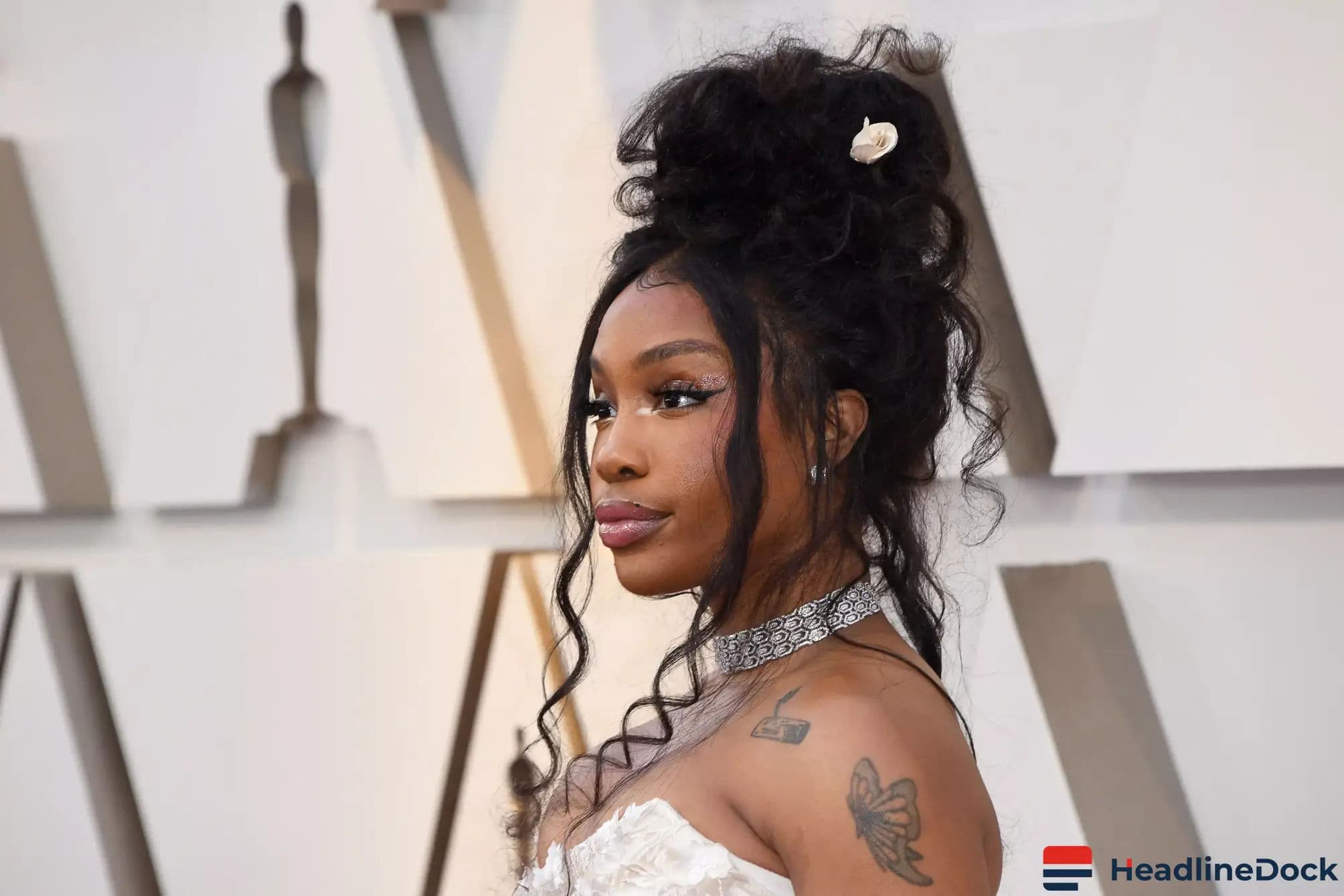
Highlights
- •SZA discovered 238 of her songs were used to train AI models without consent.
- •A new searchable database reveals the extent of unauthorized music usage in AI training.
- •Artists are raising concerns about the impact of AI on creative rights and racial representation.
- •Over 200 global artists have signed an open letter against predatory AI practices in music.
Grammy-winning singer SZA has voiced strong opposition to the unauthorized use of her music in the development of Artificial Intelligence tools. The controversy emerged after the artist discovered that 238 of her tracks had been utilized to train AI music-generating systems. Expressing her frustration on social media, she condemned the practice, particularly targeting platforms that harvest intellectual property without securing consent from creators.
The core of the issue involves platforms like Suno, which have become a focal point of criticism from musicians globally. A recently launched searchable database allows artists to check if their work has been ingested by AI models such as Suno and Udio. Findings from this database have caused alarm, as many musicians report their catalogues were used for training purposes without their knowledge, effectively teaching software to mimic their unique vocal styles and production methods.
Ethical Concerns and the Future of Creative Industry
SZA highlighted the disproportionate impact of Artificial Intelligence on the Black community. She noted that while Black creators significantly influence the global soundscape, they currently lack adequate legislative, medical, or creative protections. She pointed to the rise of AI-generated music that mimics Black artists while perpetuating stereotypes, describing the trend as harmful to the integrity of artistic expression. The artist has previously criticized the use of AI covers of works by other Black musicians, such as Olivia Dean, who are unable to collect royalties from these generated streams.
This technological shift has sparked a wider conversation about the sustainability of the music industry. Earlier in 2024, a major coalition of more than 200 high-profile artists—including Billie Eilish, Bon Jovi, Stevie Wonder, and Katy Perry—signed an open letter advocating against the predatory deployment of Artificial Intelligence. They argued that such tools threaten to violate the rights of professional creators, steal likenesses, and fundamentally destroy the existing music ecosystem.
Industry leaders, including SAG-AFTRA chief negotiator Duncan Crabtree-Ireland, have echoed these sentiments. The push for human-centric implementation of Artificial Intelligence remains a priority, as stakeholders fear that without safeguards, the creative industries could lose the very heart and soul that define their existence. The debate continues to intensify as creators seek legal frameworks to ensure their contributions to culture are respected rather than exploited by automated models.