How AI Prompting Turned Descriptive Writing Into A Vital Modern Skill
The rise of generative AI has turned the complex art of description into an everyday skill. By blending realist detail with atmospheric nuance, users are adopting techniques once pioneered by Modernist authors to effectively guide AI-generated imagery and content.
Highlights
- •AI prompting has transformed descriptive writing into a widespread, essential social skill.
- •Modernist literary techniques now help users guide AI to capture moods and atmospheres.
- •The practice of prompt engineering blends concrete detail with emotional nuance, or 'vibe'.
- •Rather than replacing writers, AI has democratized and expanded the application of descriptive language.
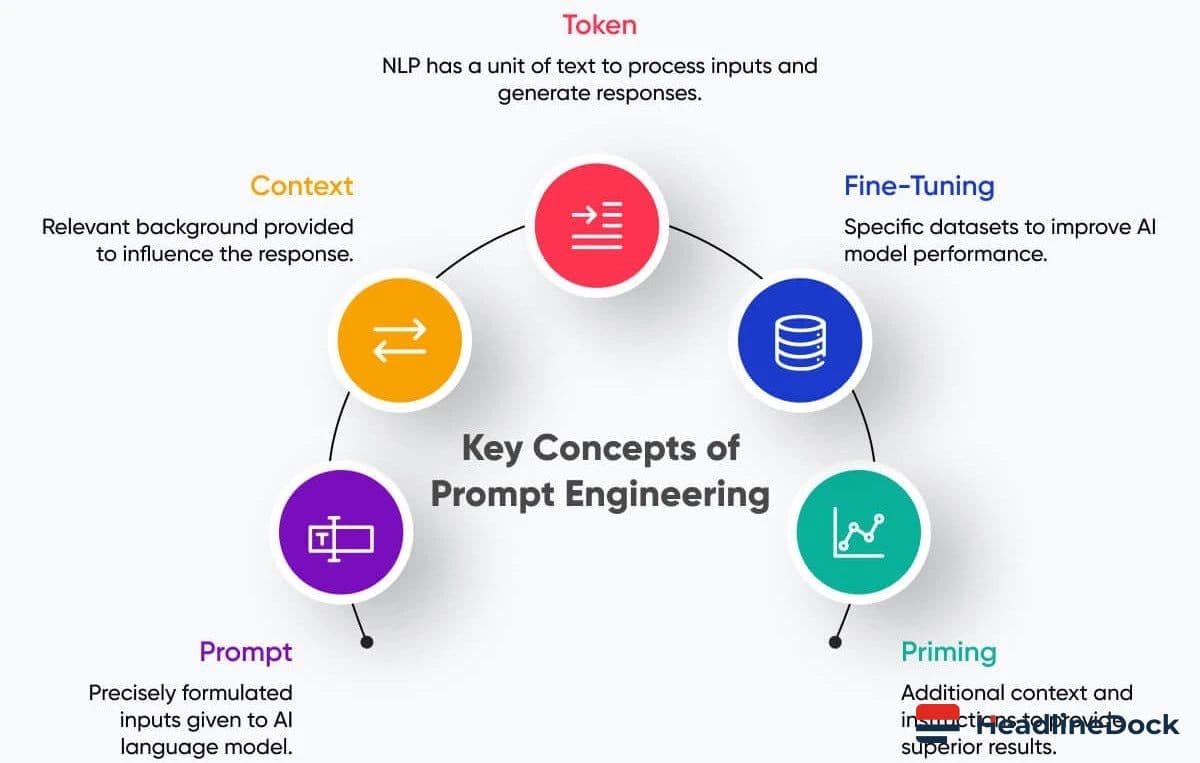
The rise of generative AI has fundamentally changed how we interact with technology, turning the art of AI prompting into an essential modern skill. Many users have discovered that achieving a specific outcome with tools like ChatGPT or Midjourney requires more than simple requests; it demands a nuanced ability to translate complex mental imagery, moods, and abstract atmospheres into precise, descriptive language.
This phenomenon mirrors a historical shift in literature. Just as the emergence of photography and cinema over a century ago challenged Modernist writers to find new ways to represent reality, today’s AI users are adapting by focusing on elements that machines cannot inherently capture. Figures such as Virginia Woolf, Marcel Proust, and Henry James moved beyond simple physical description to explore the textures of consciousness and emotional states. Similarly, current users must now articulate the "vibe"—the subtle emotional and sensory qualities of a scene—to guide AI models toward satisfactory results.
The Evolution of Descriptive Skills Through AI Prompting
While early realist novelists like Charles Dickens and Honoré de Balzac utilized exhaustive detail to depict social settings, modern AI prompting requires a synthesis of both concrete realism and atmospheric evocation. The process of refining prompts has inadvertently turned a specialized literary technique into a mass social practice. Millions of people, from students to professionals, are now engaging in the active, deliberate work of shaping language to influence machine-generated outputs.
This descriptive act often taps into what scholars refer to as "perceptual mimesis," where language acts as a guide for generating vivid mental imagery. By interacting with these systems, users are not merely giving commands; they are practicing a form of creative expression. The necessity of choosing the right terminology—distinguishing between shades of light, textures of materials, or specific emotional undertones—has brought this practice into the mainstream, far beyond the confines of professional writing circles.
Contrary to concerns that advanced technology would render human writing obsolete, the current trend suggests a different outcome. Instead of replacing the writer, the proliferation of AI has redistributed and amplified the need for descriptive proficiency. The ability to articulate visions, conceptualize atmospheres, and refine linguistic nuance is now more relevant than ever. In this new landscape, the everyday task of drafting prompts has effectively made writers of us all, proving that the human capacity for nuanced description remains vital even in an era driven by algorithmic generation.