Supreme Court Labels RTI Activism a New Business, Denies Bail to Activist
The Supreme Court has denied anticipatory bail to an activist accused of obstructing road construction in Punjab. The bench criticized the trend of RTI activism being used as a business, questioning the right of individuals to interfere in government projects.
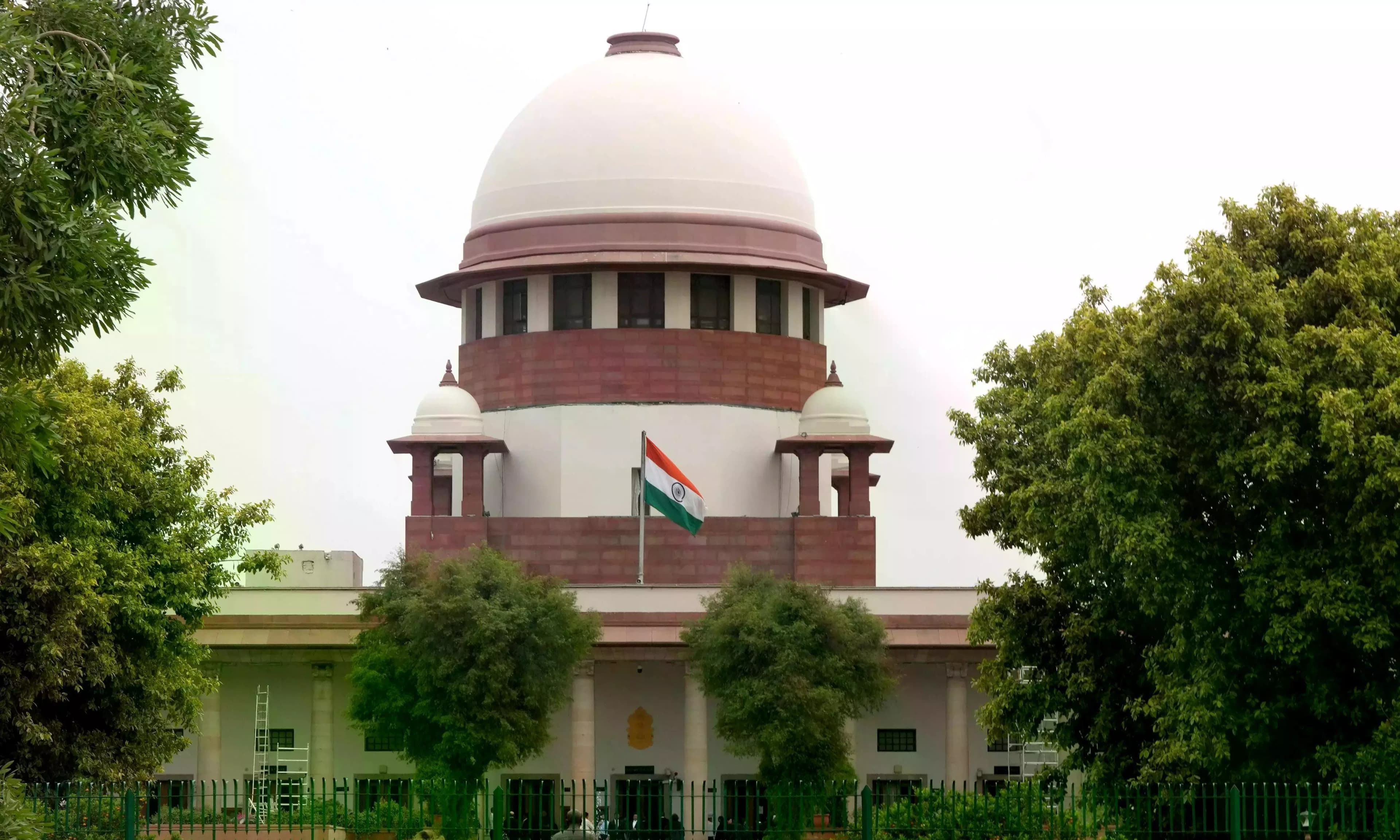
Highlights
- •The Supreme Court criticized RTI activism, calling it a new business model.
- •Justices Mehta and Bishnoi denied bail to an activist accused of project interference.
- •The accused allegedly obstructed road construction in Gurdaspur, Punjab, and intimidated workers.
- •Legal charges include obstruction of public work and violations under the SC/ST Act.
The Supreme Court of India has delivered a stern critique of certain individuals claiming to be transparency advocates, labeling RTI activism as a burgeoning commercial enterprise. This sharp observation came during a hearing where a judicial bench refused to grant anticipatory bail to an activist accused of interfering with official government infrastructure projects.
Supreme Court Remarks on RTI Activism Trends
A bench comprising Justice Sandeep Mehta and Justice Vijay Bishnoi denied relief to Rakesh Kumar Behl and his associate, who were seeking protection from arrest. The duo faced allegations of obstructing public servants involved in road construction work in the Batala area of Gurdaspur district, Punjab. During the proceedings, the court questioned the locus standi of these individuals, challenging their authority to monitor government-funded construction efforts.
Justice Mehta remarked that the practice of RTI activism has essentially transformed into a new business model. The court dismissed the plea with a strong rebuke, suggesting that the government remains fully capable of overseeing public works without unauthorized interference from self-styled monitors. Supporting this stance, Justice Bishnoi queried the petitioners about their perceived status, asking if they considered themselves a superior authority over established administrative processes.
Allegations and Legal Implications
The legal counsel for the petitioners argued that the individuals had been falsely implicated as a retaliatory measure for exposing alleged corruption within the road development projects. However, the court's attention remained fixed on the specific charges documented in the FIR. According to the filing, Rakesh Kumar Behl and his associate, Rajiv Kumar (also known as Mintu), reportedly disrupted construction activities, intimidated workers, and directed derogatory remarks at the complainant overseeing the project.
The incident escalated further with reports of physical injuries sustained by the complainant. Consequently, a criminal case was registered against them under various provisions of the BNS (Bharatiya Nyaya Sanhita) 2023, including sections related to obstruction of public servants and the SC/ST Act. The Punjab and Haryana High Court had previously declined the request for anticipatory bail on May 14, noting that the allegations against the accused were both specific and serious. By maintaining the denial of bail, the Supreme Court has reinforced the judicial perspective that while transparency is vital, it does not grant a license to obstruct public development work or intimidate government personnel.