Priyank Kharge Questions BJP Reaction to Demands for RSS Transparency
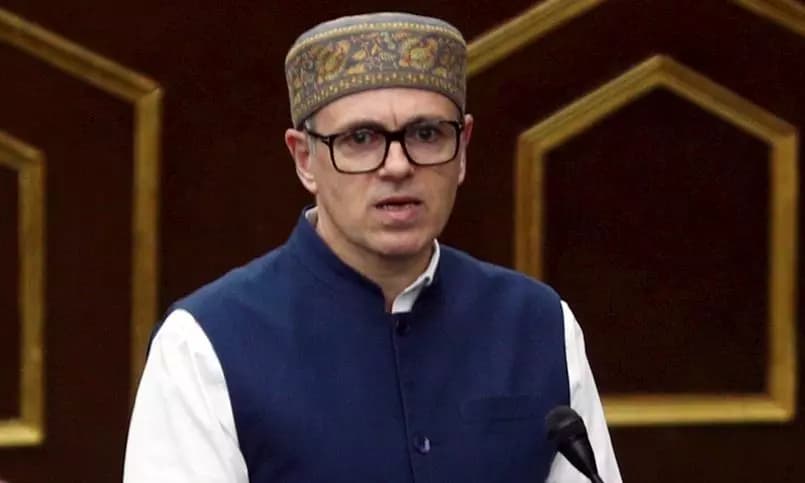
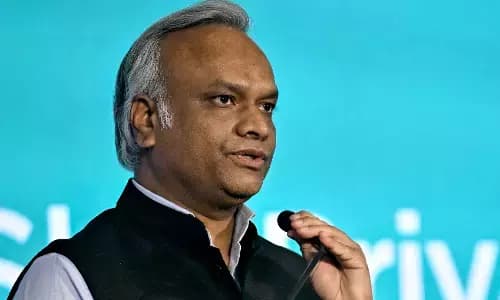
Karnataka Home Minister Priyank Kharge has questioned the BJP's opposition to his demands for RSS transparency. Citing past comments by Mohan Bhagwat, Kharge argues the organization should disclose finances and register formally, sparking a significant national political debate.
Highlights
- •Priyank Kharge challenged the BJP's reaction to his demand for RSS transparency.
- •The minister cited Mohan Bhagwat's past claims that the RSS is willing to share audit reports.
- •Kharge previously urged the RSS to register officially and disclose its financial details.
- •The demand for transparency has triggered a widespread political debate involving various stakeholders.
The ongoing political discourse surrounding RSS transparency has intensified, with Karnataka Home Minister Priyank Kharge recently directing pointed questions at the Bharatiya Janata Party (BJP). Amidst the mounting criticism from opposition leaders, Kharge has challenged the BJP's resistance to his public call for greater accountability from the Rashtriya Swayamsevak Sangh (RSS). The minister emphasized that his demand aligns with earlier assertions made by RSS chief Mohan Bhagwat regarding the organization's willingness to provide documentation.
Addressing Claims on RSS Transparency
In a recent public statement shared on the social media platform X, Priyank Kharge highlighted that Mohan Bhagwat had previously characterized the RSS as a body of individuals. According to the Karnataka minister, the RSS chief has maintained that since the organization is not formally registered as a conventional corporate entity, it does not pay taxes on funds received through methods such as guru dakshina. However, Kharge noted that Bhagwat had also previously indicated that the organization maintains economic units and tracks its financial activities with precision.
Kharge further quoted the RSS chief's past stance, stating that if the government requested audits or financial reports, the organization would comply as a law-abiding entity. Based on this, the minister questioned why members of the BJP are displaying such visible frustration in response to his requests. He suggested that if the leadership of the RSS has expressed a willingness to demonstrate transparency, the defensive posture adopted by BJP leaders appears contradictory and unnecessary.
Context of the Transparency Demand
This escalating debate stems from a formal letter Priyank Kharge sent to Mohan Bhagwat just days prior. In that correspondence, the minister urged the RSS to officially register as an organization, publicly disclose its financial records, fulfill tax obligations, and operate with a higher level of institutional accountability. Beyond these administrative requirements, Kharge also suggested that the RSS should utilize its ongoing centenary year as an opportunity for constitutional introspection rather than focusing solely on celebratory events.
The call for RSS transparency has ignited a significant political debate, drawing diverse reactions from various factions within the BJP and its supporters across the country. As the exchange continues, the core disagreement remains centered on the nature of the organization's operations, its financial reporting responsibilities, and the broader implications of these demands within the current national political landscape.