How Authoritarian Regimes Maintain Power Through the Strategic Fabrication of Enemies
This analysis examines how authoritarian regimes in Burundi and the Alliance of Sahel States (Mali, Burkina Faso, Niger) consolidate power by manufacturing enemies. This strategic rhetoric deflects from domestic economic failures and bypasses constitutional constraints to ensure political survival.
Highlights
- •Authoritarian regimes in Burundi and the AES utilize the narrative of external threats to maintain political power.
- •Mali’s military leadership successfully uses an 'effect flag' strategy to rally citizens against international sanctions.
- •Burundi’s ruling CNDD-FDD party scapegoats Belgium and Rwanda to deflect blame for domestic economic crises.
- •The comparison reveals that these regimes prioritize security narratives over democratic processes to ensure their long-term survival.
In recent years, a pattern of authoritarian regime resilience has emerged across various African nations, where leaders maintain control by systematically manufacturing external and internal enemies. By examining the political trajectories of Burundi and the Alliance of Sahel States (AES)—comprising Mali, Burkina Faso, and Niger—it becomes evident that these regimes utilize the narrative of a constant threat to consolidate power.
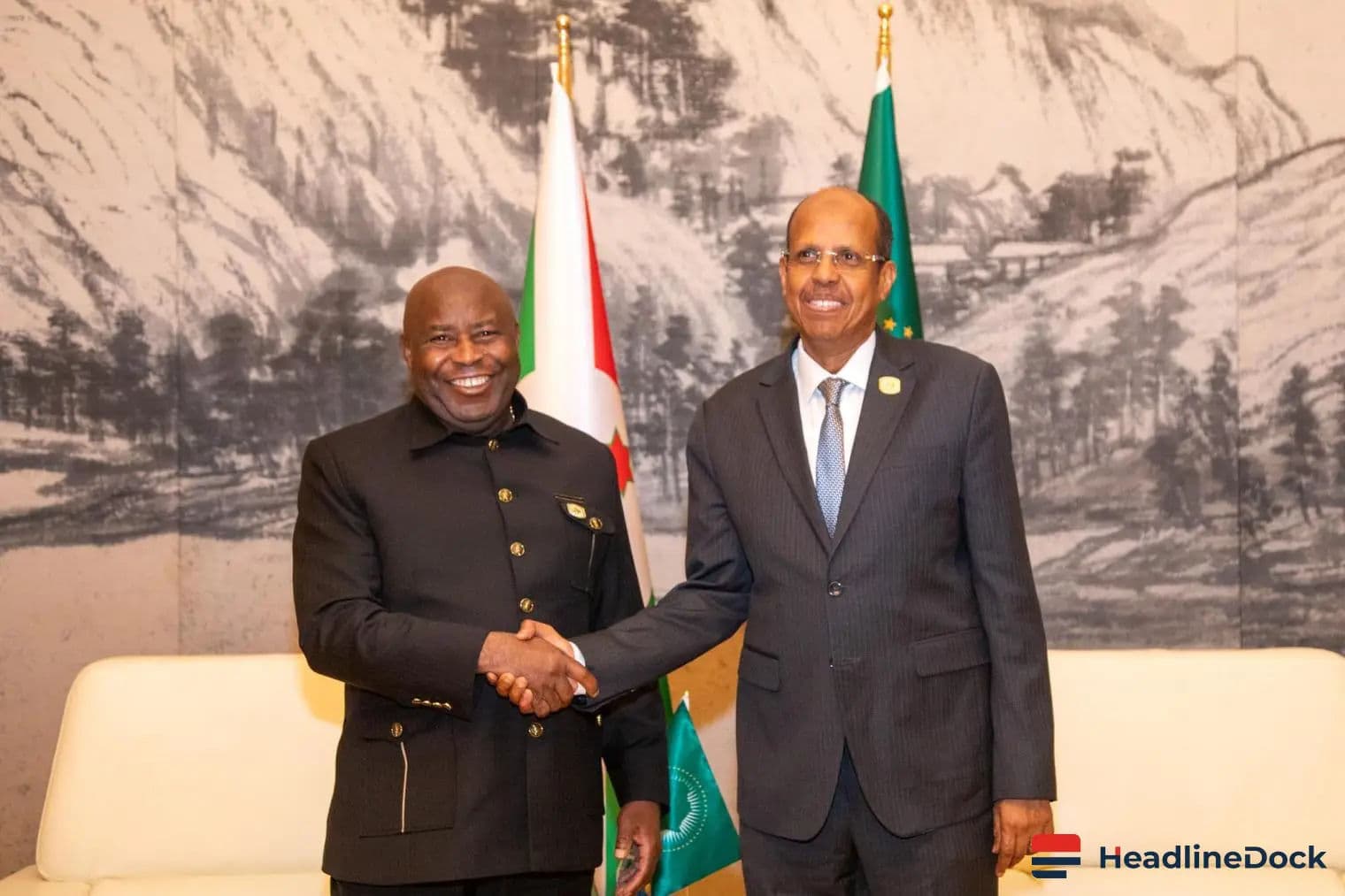
On April 20, 2026, Burundi’s President Évariste Ndayishimiye, then chairing the African Union, visited Ouagadougou. This diplomatic effort sought to bridge the gap between the continental body and the AES, led by Captain Ibrahim Traoré. While framed as a quest for regional stability, the visit underscores a growing solidarity among leaders who frequently disregard constitutional norms and democratic processes.
The Strategy of Fabricating Enemies
A core pillar of authoritarian regime resilience is the strategic designation of adversaries. In Mali, the military transition leadership has successfully utilized an “effect flag” phenomenon to boost public support. Following international sanctions imposed by ECOWAS and the European Union in 2022, the government effectively rallied citizens against perceived foreign interference from Paris and regional blocs. This rhetoric of national resistance allowed the junta to solidify its domestic authority by positioning itself as the sole defender of sovereignty.
Similarly, in Burundi, the ruling CNDD-FDD party has consistently identified Belgium as the primary scapegoat for national divisions and economic distress. By painting the former colonial power as a puppet master behind international sanctions and regional tensions, the government redirects internal discontent toward external actors. This tactic is mirrored in their strained relations with Rwanda, with President Ndayishimiye frequently labeling Kigali a “bad neighbor” accused of supporting local rebel groups like RED-Tabara.
Contradictory Paths to Power
While the goal of maintaining control remains the same, the methods differ. In Mali, the junta under Assimi Goïta has bypassed traditional elections entirely, securing a mandate to rule without time limits. The persistent threat of groups like JNIM and the FLA provides the regime with a functional excuse for this absence of democratic processes. Conversely, in Burundi, the CNDD-FDD maintains a facade of electoral legitimacy, having nominated Ndayishimiye for the 2027 presidential race. In both instances, however, the constant manufacturing of security crises acts as the primary fuel for these regimes, allowing them to suppress dissent while managing the severe economic challenges facing their populations.