Powerful 6.7 Magnitude Earthquake Strikes Near Palu in Central Indonesia
A strong 6.7 magnitude earthquake occurred near Palu, Indonesia, on Tuesday, causing significant, prolonged shaking. While the epicenter was identified in Central Sulawesi at a shallow depth, officials are still determining the extent of any resulting infrastructure damage or casualties.
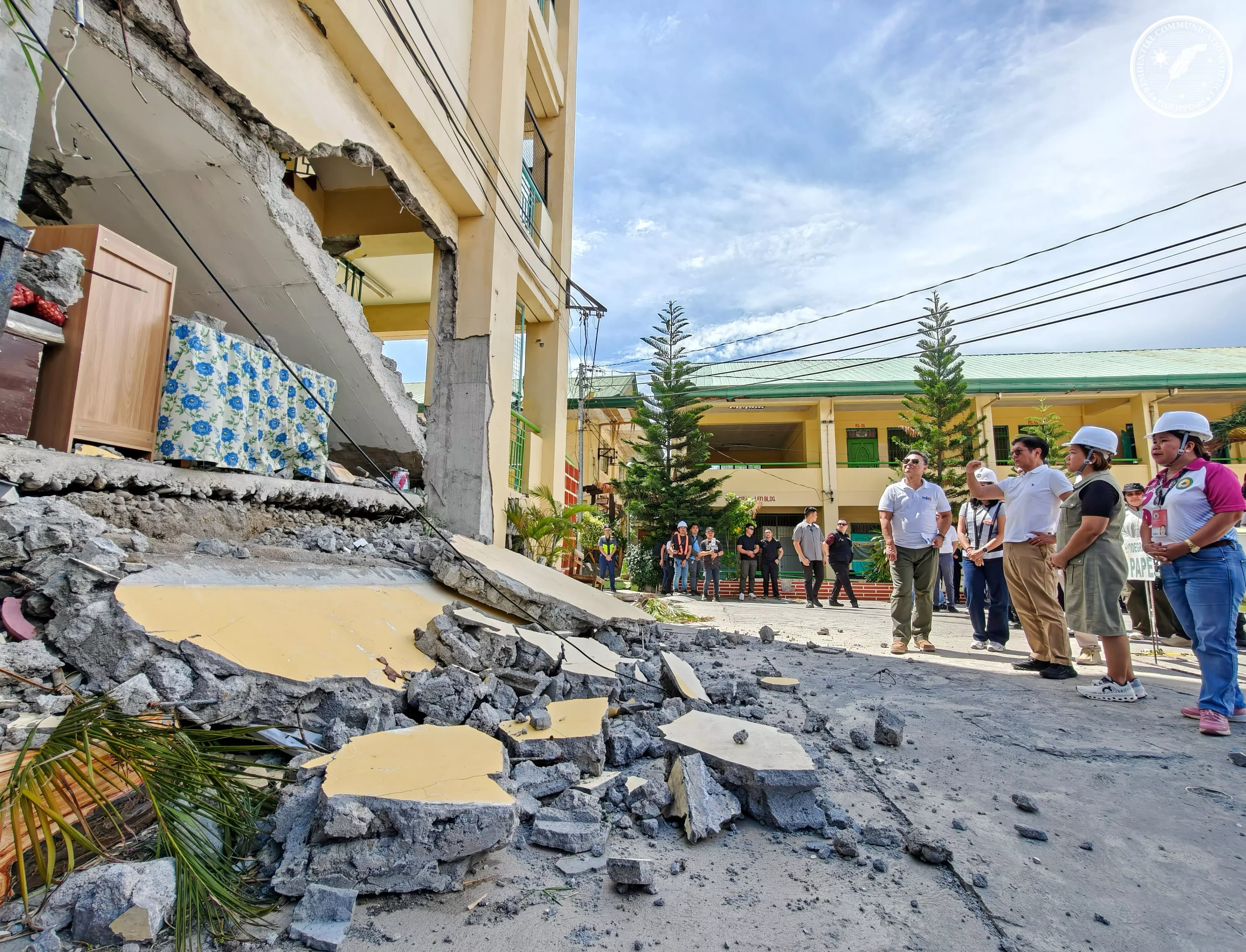
Highlights
- •A 6.7 magnitude earthquake struck near Palu, Central Sulawesi, Indonesia.
- •The seismic event featured strong, prolonged shaking and subsequent aftershocks.
- •The quake occurred at a shallow depth of approximately 10 kilometers.
- •Authorities are currently assessing potential damage and casualty reports in the area.
A powerful 6.7 magnitude earthquake struck a region in Indonesia on Tuesday, triggering widespread concern across the area. The seismic event was characterized by intense shaking that persisted for over a minute, prompting residents to seek safety as the ground swayed. Following the primary tremor, the region experienced a series of strong aftershocks, which continued to keep local populations on high alert.
Details of the Seismic Event
According to data released by the US Geological Survey, the epicenter of the 6.7 magnitude earthquake was identified approximately 46 kilometers, or 29 miles, east-southeast of Palu. This city serves as the capital of the Central Sulawesi province. The agency reported that the focus of the quake was relatively shallow, occurring at a depth of roughly 10 kilometers, or 6 miles, which often contributes to more pronounced surface shaking.
At this stage, official reports regarding potential damage to infrastructure or injuries among the local populace remain unavailable. Emergency response teams and local authorities are currently working to assess the situation on the ground. Communication and assessment processes in the affected areas are ongoing as officials gather more precise information regarding the impact of the 6.7 magnitude earthquake.
Indonesia's Geological Context
Indonesia is situated in one of the most seismically active regions in the world, frequently referred to as part of the "Ring of Fire." The nation is crisscrossed by a complex network of numerous seismic faults. Due to this geographical reality, both earthquakes and volcanic activity are relatively common occurrences for those living in the archipelago. The proximity of these fault lines necessitates consistent monitoring and a high level of preparedness among both the government and the public.
Building safety codes and community disaster response training have become essential components of daily life in these high-risk zones. While geological experts constantly monitor seismic data to predict and understand these events, the sudden nature of such tremors remains a significant challenge. Residents in Central Sulawesi are encouraged to remain vigilant for further aftershocks and to follow guidance provided by local emergency services as the region processes the impact of this latest seismic incident.