Iran Warns of Retaliation against US and Israel in Response to Beirut Strike
Iran has issued a severe warning of retaliation against the US and Israel following an Israeli strike on Beirut. This move highlights escalating tensions in the region amidst ongoing port blockades, potentially leading to more significant conflicts.
Highlights
- •* Iranian parliament speaker Mohammad Bagher Ghalibaf issues a strong statement threatening retaliation.
- •* The warnings follow an Israeli strike on southern Beirut and US-imposed port blockades.
- •* Iran sees bases of the U.S. and Israel as legitimate targets due to these actions.
- •* Potential for heightened regional tensions and further conflict remain high.
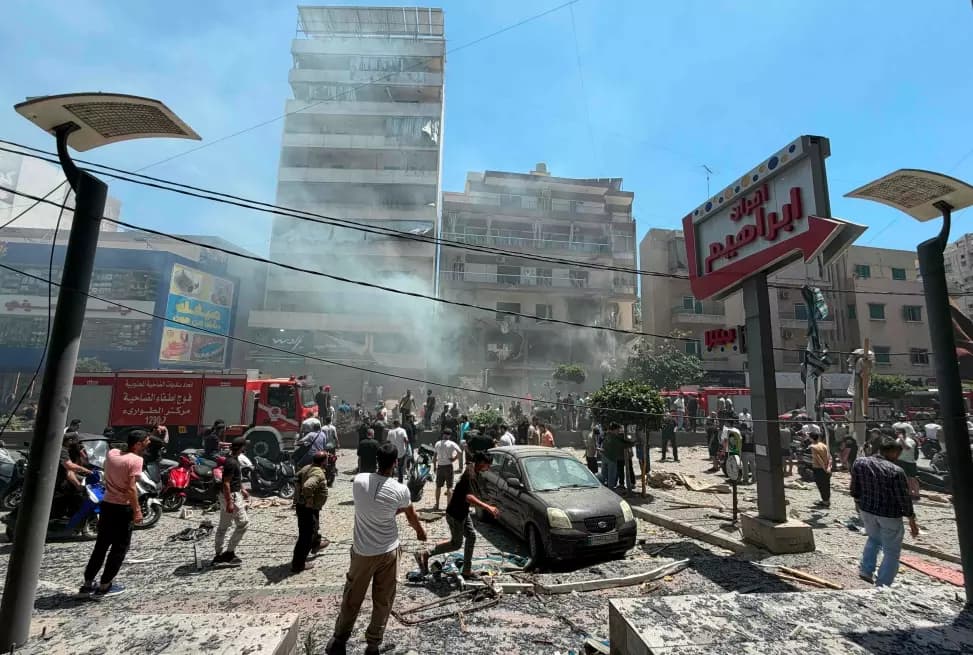
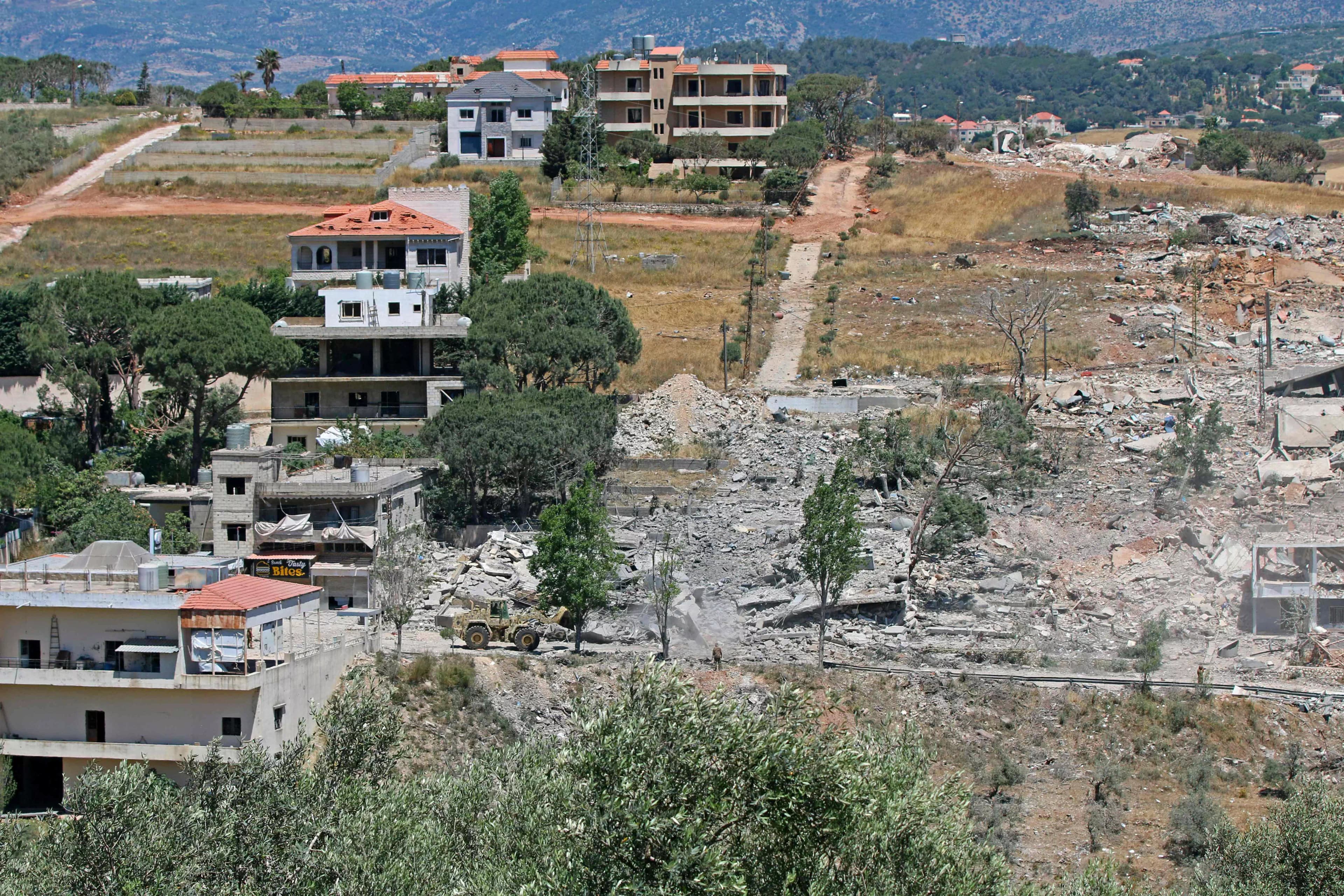
In a stark warning following recent events, Iran's chief negotiator issued an unequivocal statement that any Israeli strike on southern Beirut would invoke retaliation. Mohammad Bagher Ghalibaf, the parliamentary speaker of Iran, utilized social media to accuse both Washington and Tel Aviv of crossing critical thresholds in regional security.
According to his post, these maneuvers are seen as tantamount to granting permission for acts that target two key locations within Lebanon's capital. 'This and the ongoing US blockade of Iranian ports,' he stated, 'turn the bases and assets of America and the (Israeli) regime in the region into legitimate targets.' The message underscores Iran's determination and readiness to engage in military response should hostilities continue.
Regional Security Tensions Rise
The implications of such an assertion are substantial, with experts anticipating that this development could further complicate already strained regional dynamics. Lebanon, caught in the crossfire between two significant players, faces heightened uncertainty regarding its own security and stability.
In practical terms, Iran's armed forces have indicated they will be free to act unimpeded. Given the historical tensions among these nations, this statement could indicate an escalation of conflict.
The geopolitical ramifications extend beyond Lebanon, potentially affecting broader Middle Eastern affairs. Analysts are closely monitoring these developments as signs of potential larger-scale actions or counteractions from either side.