Israeli Airstrikes Continue in Southern Lebanon Despite Recent Peace Agreement
Despite a recent peace deal to end the Middle East conflict, Israeli airstrikes continue in southern Lebanon. With fatalities rising and the Lebanese army advising against resident returns, the ceasefire remains fragile and under constant threat of further escalation.
Highlights
- •Israeli warplanes launched fresh airstrikes in southern Lebanon despite a recently established peace agreement.
- •Local reports confirm at least five deaths in southern Lebanon since the ceasefire was announced on Monday.
- •The Lebanese military has officially urged residents to delay returning to their homes due to persistent security risks.
- •The total death toll in Lebanon has reached 3,826 as recovery efforts continue amidst ongoing regional tensions.
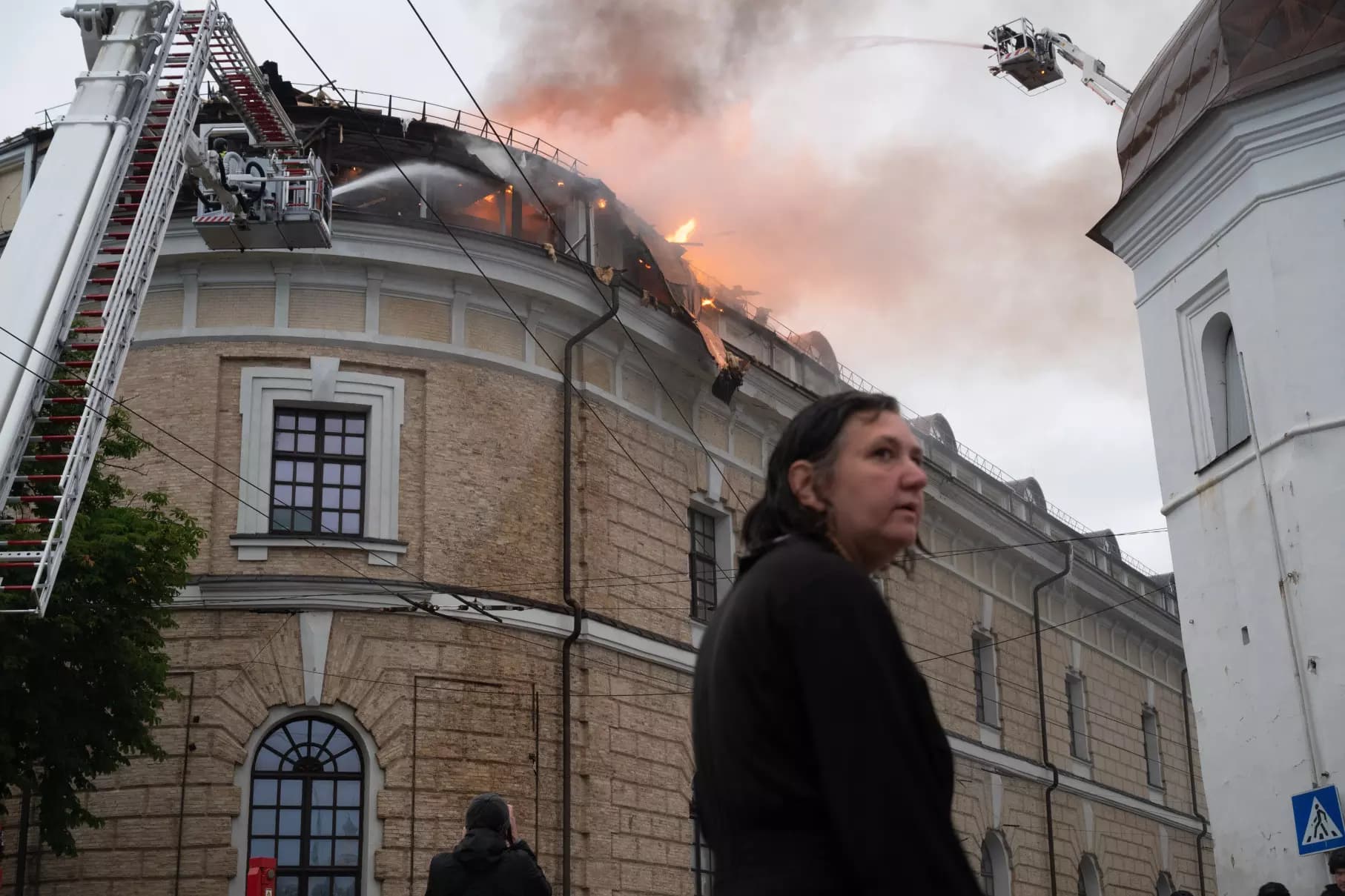
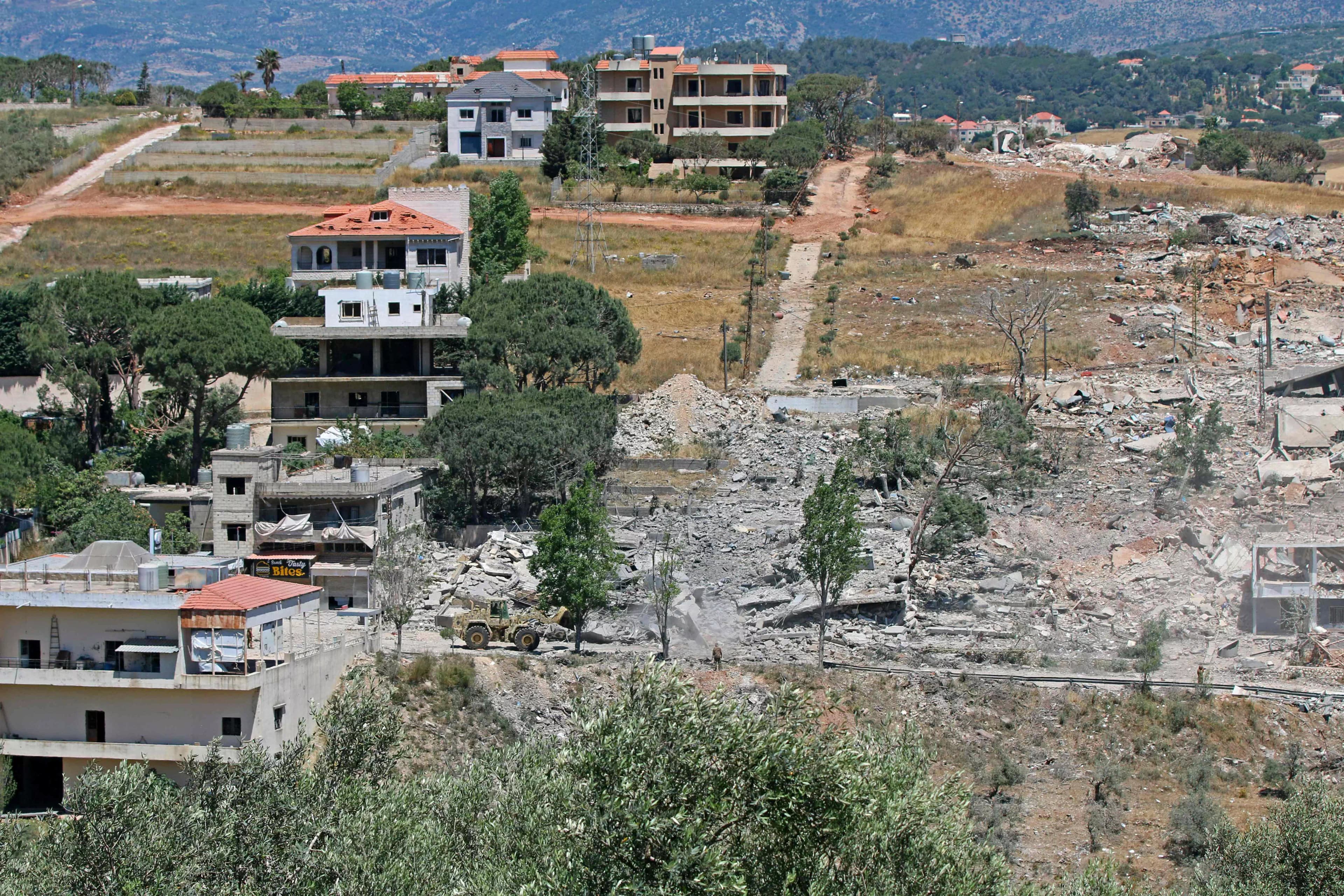
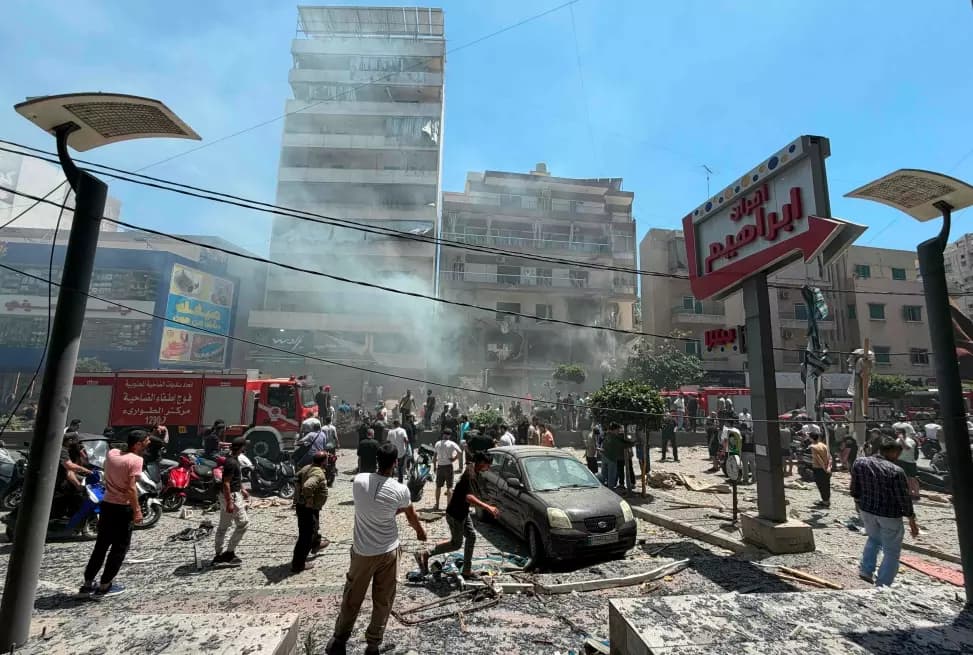
Recent Israeli airstrikes have targeted various locations in southern Lebanon, raising significant concerns despite a recently announced peace agreement aimed at de-escalating the ongoing regional conflict. According to reports from the national news agency, Israeli warplanes conducted raids on the Nabatieh al-Fawqa region and near the town of Kfar Tebnit. Furthermore, a drone strike was recorded in the town of Ansariyeh, located within the Zahrani district.
Although the intensity of hostilities has notably diminished following the US-Iran brokered deal reached earlier this week, the persistence of Israeli airstrikes serves as a stark reminder of the fragile nature of the current ceasefire. Since the announcement of the agreement, at least five individuals have been killed in these continued military operations, complicating efforts to restore normalcy to the region.
Impact of Ongoing Military Violations
The reduction in combat has encouraged some residents of southern Lebanon to venture back to their home towns and villages to survey the damage. However, the Lebanese army has officially advised citizens to postpone these returns, explicitly warning about the persistent risk posed by ongoing Israeli airstrikes and potential violations of the peace memorandum. Lebanon has endured immense hardship throughout this period, with the health ministry reporting the death toll has reached 3,826 since the outbreak of hostilities.
The origins of this conflict trace back to early March, when Hezbollah initiated rocket fire against Israel as retaliation for the killing of Iran's supreme leader during joint US-Israeli operations. In response, Israel launched an extensive campaign involving both heavy airstrikes and a ground invasion. While Iran's Foreign Minister Abbas Araghchi has stated that peace requires the complete withdrawal of Israeli forces from occupied territories, Israeli Prime Minister Benjamin Netanyahu has maintained that their military will remain present in Lebanon as long as deemed necessary.
At present, Hezbollah has remained relatively quiet regarding new strikes on Israeli targets. The group's leader, Naim Qassem, is scheduled to deliver a televised address that may clarify the militant group's stance on the current ceasefire and future military intentions. Meanwhile, international observers remain focused on whether this fragile agreement can withstand continued military maneuvers and the underlying tensions between the involved nations.